




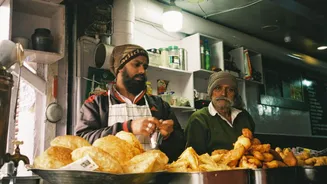


A Classic Snack, Day or Night
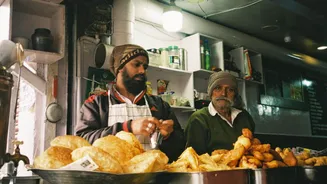
While the headline calls it a breakfast classic, Molaga Bajji, also known as Mirchi Bajji, is most famously an evening snack, best enjoyed with a hot cup of tea or coffee, especially on a rainy day. It's a cornerstone of South Indian street food culture,
found sizzling in roadside stalls, beach shacks, and office canteens alike. From the Marina Beach in Chennai to the hill stations of Ooty, this chilli fritter is a symbol of comfort and casual indulgence. Though it can be part of a festive spread, its true home is in the everyday moments of life, offering a quick, satisfying, and flavourful bite.
The Heart of the Matter: The Chilli
The first 'secret' to a great Molaga Bajji is the choice of chilli. Not just any green chilli will do. The ideal variety is a long, thick, and light green pepper, often called 'bajji milagai' or banana pepper. These chillies are specifically cultivated for this purpose and are chosen for their mild heat and flavourful flesh, which is more akin to a capsicum than a fiery hot pepper. To further temper the heat and make it enjoyable for everyone, vendors and home cooks will carefully slit the chilli lengthwise and remove all the seeds before it even touches the batter. Some even blanch the deseeded chillies in hot, salted water to ensure a perfectly mild-yet-tasty final product.
The Soul of the Bajji: The Batter
If the chilli is the heart, the batter is the soul. A perfect bajji is defined by its coating: it must be crispy, light, and not absorb too much oil. The base is always besan (gram flour), which provides structure and a nutty flavour. The crucial addition for that signature crunch is rice flour. Some recipes also include a pinch of corn flour to keep the fritter light and airy. The spicing is simple but essential: a bit of chilli powder for colour and a gentle kick, turmeric for its earthy notes, and a pinch of asafoetida (hing) for its unique savoury depth. Carom seeds (ajwain) are another common addition, lending a distinctive flavour and aiding digestion. The consistency of the batter is key; it must be thick enough to coat the chilli evenly without being heavy or gloopy.
The Art of a Perfect Fry
Technique is the final secret. The oil must be heated to the correct temperature—hot enough that a drop of batter rises immediately to the surface, but not so hot that it burns the outside before the inside is cooked. Many experienced cooks add a spoonful of hot oil to the batter just before frying. This simple trick helps prevent the bajjis from absorbing excess oil, resulting in a lighter, crispier snack. The coated chillies are gently dropped into the hot oil and fried on a medium flame, turned occasionally until they are an even golden brown. This ensures the batter is perfectly cooked through and the chilli inside is tender and steamed.
Variations and Accompaniments
While the classic Molaga Bajji is a simple, unadulterated pleasure, regional variations exist. Some versions feature a stuffing inside the deseeded chilli. This can range from a simple mix of chopped onions and coriander to a more complex filling of potato masala or a tangy tamarind and peanut mixture, particularly popular in Andhra cuisine. No matter how it's prepared, the bajji is rarely served alone. The most traditional accompaniment is a fresh coconut chutney. Its cool, creamy flavour provides the perfect counterbalance to the warm, savoury, and gently spicy fritter, completing a sensory experience that has comforted and delighted for generations.