

Decoding a 50-Year-Old Mystery
The PUFFINS mission, short for 'Polarimetry in the Ultraviolet to Find Features in INterStellar dust', is designed to tackle a fundamental question in astrophysics: how does cosmic dust lead to the formation of new stars and planets? Though it may sound
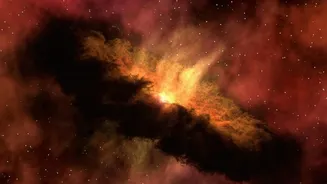
empty, the space between stars is filled with tiny dust particles. PUFFINS will focus on the smallest of these grains, some roughly the size of a virus, which are invisible to most telescopes. These particles, however, play a crucial role in the galaxy, and understanding them is essential for piecing together the story of how planetary systems, and perhaps even life, get their start. Led by Principal Investigator Dr. Ramya Anche at the University of Arizona, the mission aims to fill a significant gap in our knowledge about the universe's evolution.
The Power of a Pioneer SmallSat
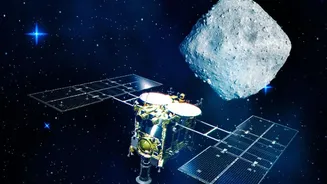
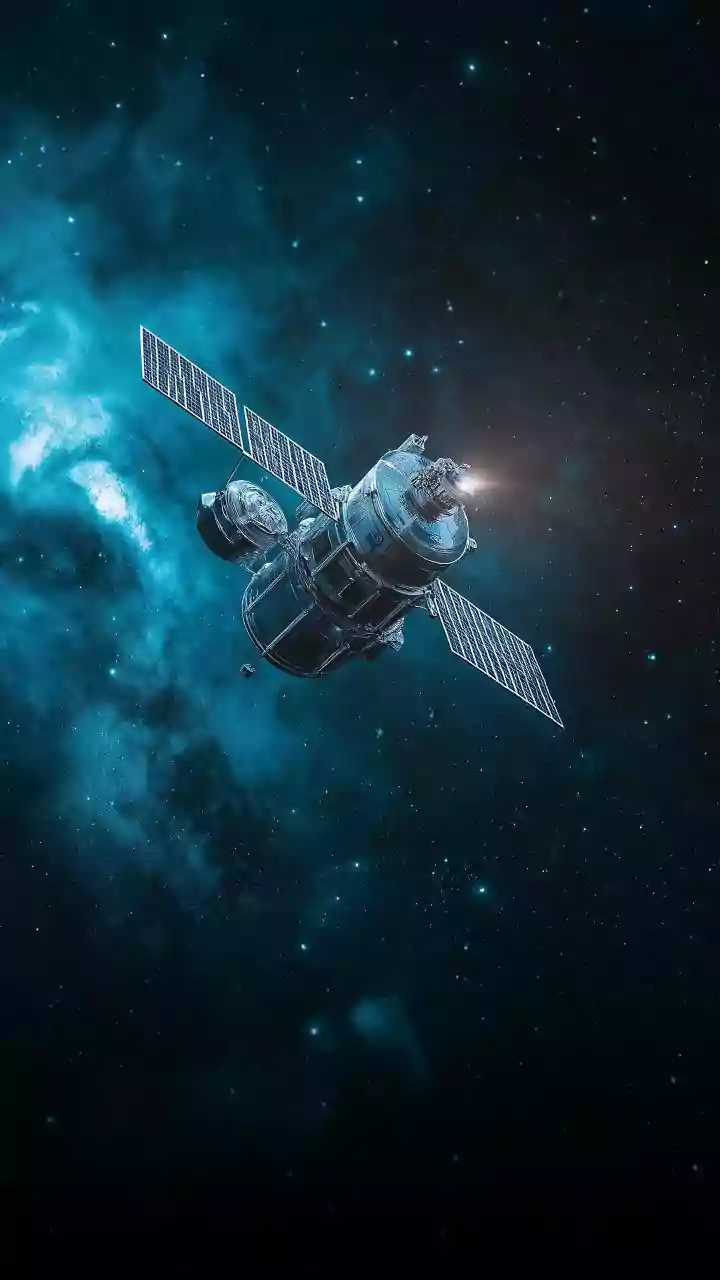
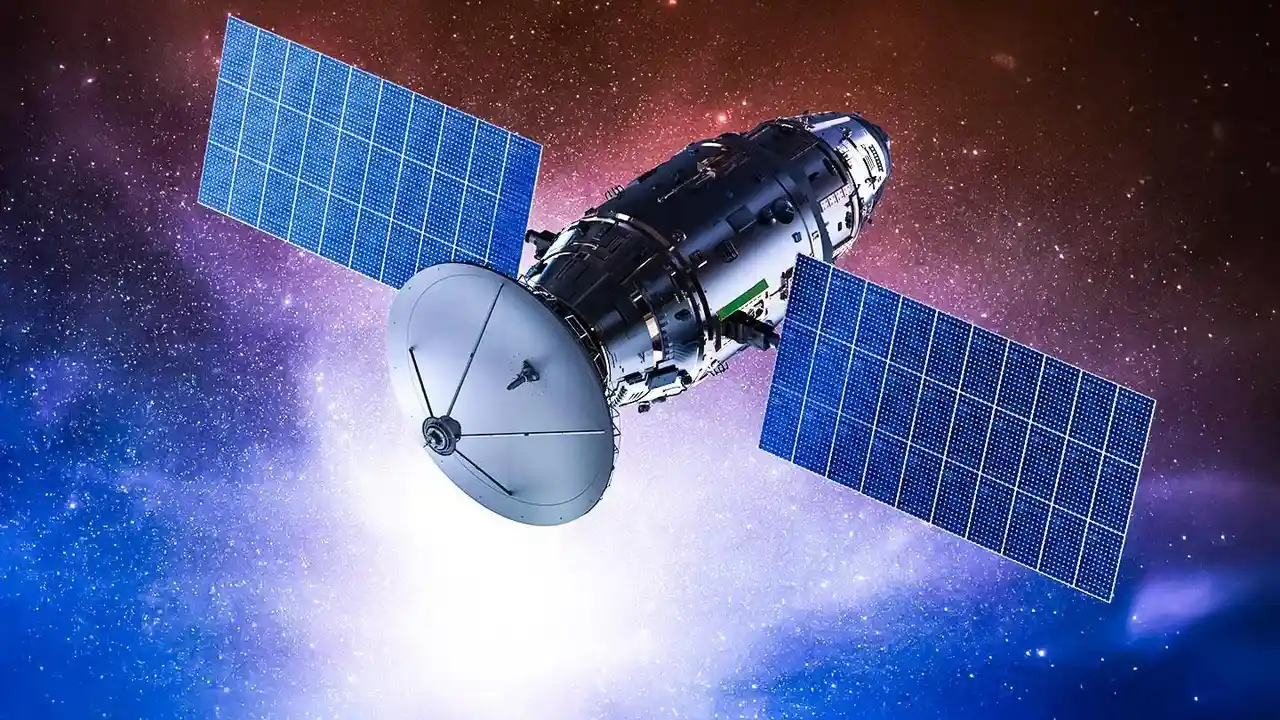
PUFFINS is part of NASA's Astrophysics Pioneers program, which was started in 2020 to conduct high-impact science using smaller, more affordable hardware. With a cost cap of around $20 million, these missions enable innovative, focused investigations without the budget of a flagship observatory. PUFFINS will be a SmallSat, or small satellite, equipped with a 10-inch telescope. This approach allows for faster development and deployment compared to larger, more complex missions. The Pioneers program is also designed to provide valuable, hands-on experience for early-career scientists and engineers, fostering the next generation of space exploration leaders.
A New Look with an Old Technique
The mission's key technique is ultraviolet (UV) spectropolarimetry. While photometry measures the intensity of light, polarimetry measures its orientation, or the direction in which the light waves are vibrating. As starlight travels through clouds of interstellar dust, certain grains align with the galaxy's magnetic field, acting like microscopic compass needles. This alignment changes the polarization of the light passing through in a way that reveals details about the dust's size, composition, and structure. PUFFINS will use this method to study UV light from approximately 70 distant stars, reviving a powerful technique that hasn't been deployed in space for this purpose in nearly three decades.
What's Next for the PUFFINS Mission
With a targeted launch date of 2030, the PUFFINS team is currently in the design and development phase. The mission is a joint effort involving the University of Arizona, McDonald Observatory, and researchers from other institutions, including some in India. Over its lifespan, the small satellite will orbit the Earth and build a detailed map of how interstellar dust varies across different parts of the sky. The data gathered will be critical not only for understanding star formation but also for informing future, even more ambitious projects. Scientists see PUFFINS as a vital stepping stone toward NASA's Habitable Worlds Observatory, a next-generation flagship telescope planned for the 2040s.