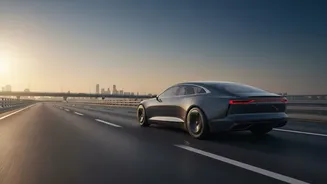



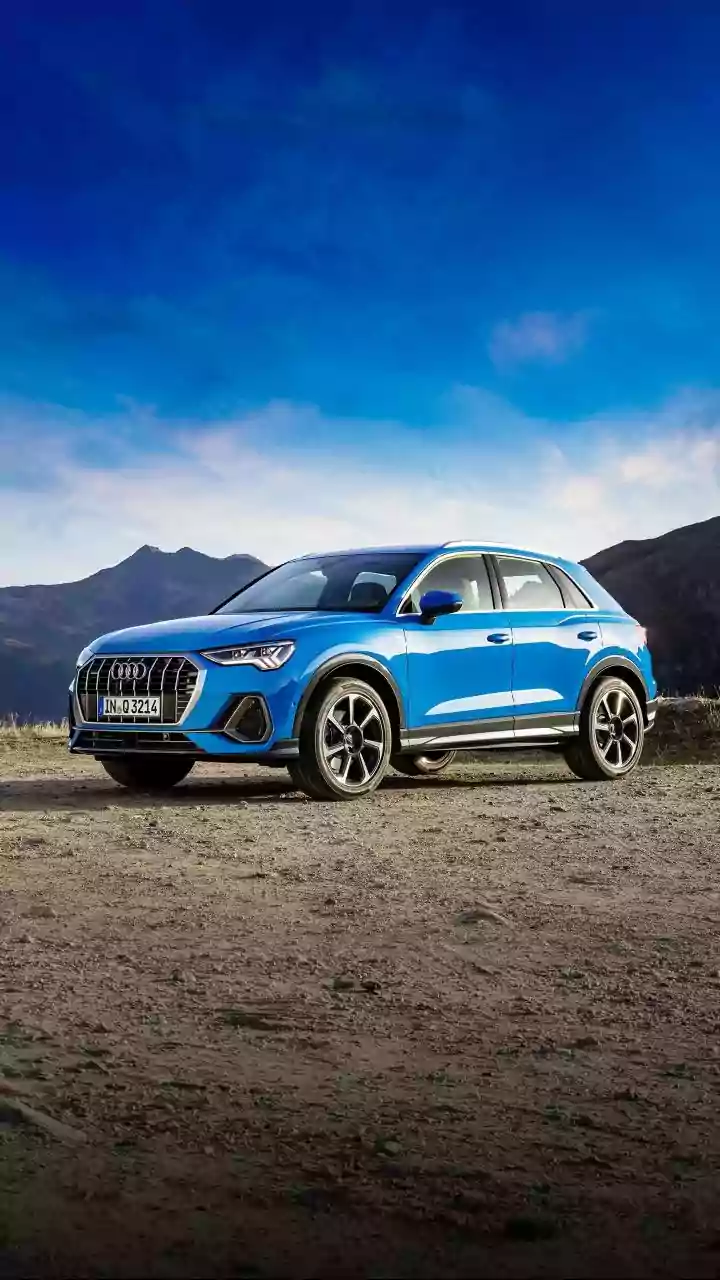

What is the New Safety Plan?
The government has proposed a major shift in automotive safety, centering on a technology known as Vehicle-to-Everything (V2X). The plan aims to make a foundational part of this, Vehicle-to-Vehicle (V2V) communication, mandatory for all new cars, trucks,
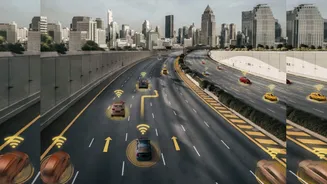
and two-wheelers from October 2028. This means that in the near future, new vehicles will come equipped with systems that allow them to continuously 'talk' to each other, sharing real-time data about their speed, position, and direction. The goal is to create a collaborative network on the road where every vehicle is aware of the others around it, drastically reducing the chances of collisions and improving overall traffic safety.
A Digital Shield Against Road Hazards
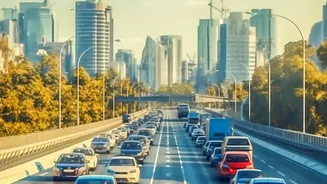
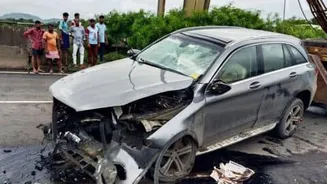
So how does this translate to your daily drive? The primary benefit is the ability to receive timely warnings about dangers that are out of your line of sight. This connected system can alert you to a car braking suddenly several vehicles ahead, even on a congested highway. It can warn you about a vehicle that has spun out on a slippery patch of road, a traffic jam forming around a blind corner, or a pedestrian stepping into a crosswalk. These alerts, delivered directly to your vehicle's dashboard, provide those crucial extra seconds to react, potentially preventing a serious accident. It's a move beyond passive safety features like airbags to a proactive system that anticipates and mitigates risk before it becomes critical.
How Does It Actually Work?
The technology at the heart of this plan is called Cellular Vehicle-to-Everything, or C-V2X. Think of it as a social network for vehicles. Using cellular networks, cars, trucks, and even roadside infrastructure like traffic lights can constantly exchange small packets of information. This isn't just about V2V (Vehicle-to-Vehicle); it also includes V2I (Vehicle-to-Infrastructure), allowing cars to get updates from traffic signals about red light violations, and V2P (Vehicle-to-Pedestrian), which can detect and warn drivers about people crossing the road. Unlike navigation apps that rely on user reports, this system can use dedicated sensors to automatically detect and broadcast hazards, making the information more reliable and immediate.
The Long Road Ahead for India
While the promise is immense, implementing such a system in India presents unique challenges. The sheer diversity of our traffic—with cars, buses, bikes, auto-rickshaws, and pedestrians sharing the same space—makes it complex to design a system that works reliably without generating false alarms. The effectiveness of V2X technology depends on a critical mass of vehicles being equipped with it; during the long transition period, new connected cars will share the road with millions of older, non-connected vehicles. Furthermore, success hinges on robust digital infrastructure, including widespread 5G coverage and smart roadside units, which are still lacking in many parts of the country. Issues like cybersecurity, data privacy, and the cost of these systems also need to be addressed before a nationwide rollout is feasible.
What It Means for the Indian Driver
The proposed mandate starting in 2028 applies only to newly manufactured vehicles, so there's no immediate need for current car owners to do anything. However, the move signals the future direction of automotive technology in India. In the coming years, expect to see more car models offering these advanced safety features, even before they become mandatory. This plan is a foundational step towards not just safer roads, but also more efficient traffic management and the eventual arrival of autonomous vehicles. For the average driver, it means a future where your vehicle is an active partner in keeping you safe, watching the road with a digital eye that sees far beyond what's visible through the windshield.