



What Exactly Is Tai Chi?
Tai Chi is a mind-body practice that originated centuries ago as a martial art in China. Today, it is practiced worldwide primarily for its health benefits. It involves a series of slow, flowing, and graceful movements that are performed in a specific
sequence. Unlike high-impact workouts, Tai Chi is low-impact and gentle on the joints, making it accessible to people of all ages and fitness levels. The practice is built on core principles, including the concepts of Qi (an energy force) and the balance of yin and yang, aiming to promote harmony within the body. The slow, continuous nature of the movements helps to foster a state of relaxed concentration.
The Power of Conscious Breathing
Central to the practice of Tai Chi is deep, focused breathing. Practitioners learn to coordinate their breath with the fluid movements, which has a profound effect on the nervous system. This type of mindful breathing helps to activate the parasympathetic nervous system, often known as the “rest and digest” system. This activation helps lower levels of stress hormones like cortisol, reduces heart rate, and promotes a sense of inner calm. By constantly bringing your attention back to the breath and the body, you train your mind to stay in the present moment, which is a key component in reducing anxiety and mental chatter.
Finding Both Physical and Mental Balance
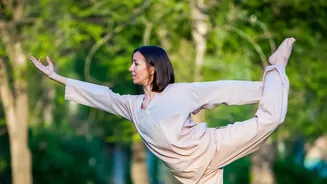
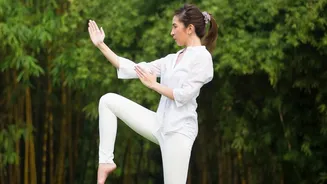
The slow, deliberate shifts in weight and posture in Tai Chi are a direct training for your sense of balance. Physically, this strengthens the small, stabilizing muscles in your legs and core, which is crucial for preventing falls, especially in older adults. The U.S. Centers for Disease Control and Prevention even recommends certain Tai Chi programs for fall prevention. Mentally, the intense focus required to maintain balance and flow from one posture to another acts as a form of meditation. It demands your full attention, leaving little room for distracting thoughts and worries. This deep focus enhances cognitive function and joint awareness.
Deliberate Movement for Holistic Health
The movements in Tai Chi are intentional and unhurried. This contrasts sharply with many modern forms of exercise that prioritize speed and intensity. The gentle, flowing motions improve flexibility, preserve range of motion in the joints, and can build lean muscle over time without straining the body. Studies have shown these movements provide a host of benefits, including reduced pain from conditions like osteoarthritis and back pain, improved cardiovascular fitness, and lower blood pressure. This holistic approach ensures that both the mind and body are engaged and nurtured, leading to greater overall well-being.
How to Get Started
Beginning your Tai Chi journey is simple. Many community centers, gyms, and dedicated studios offer beginner classes. You can also find a wealth of resources online to practice at home. There is no special equipment needed—just wear comfortable, loose-fitting clothing that allows you to move freely. When you start, be patient with yourself. The key is not to perfect the movements immediately but to focus on the feeling of flow and relaxation. A typical class will involve a warm-up followed by learning and practicing a sequence of movements, or a “form.” Remember, the goal is to enjoy the process of moving with mindful intention.