






More Than Just a Gut Feeling
Our gut and brain are in constant communication through what is known as the gut-brain axis. When you experience stress or anxiety, your body enters a 'fight-or-flight' state, which diverts blood flow and energy away from the digestive system. This can
slow down digestion, leading to symptoms like bloating, constipation, and discomfort. Yoga helps shift your body into the 'rest-and-digest' mode, technically called the parasympathetic nervous system. By reducing stress, you allow your digestive system to function more efficiently.
The Power of a Deep Breath
The second part of the equation is conscious breathing, or pranayama. Most of us go through the day taking shallow chest breaths, especially when stressed. Deep, diaphragmatic breathing—also known as belly breathing—is a cornerstone of digestive wellness. This technique involves inhaling deeply so that your belly expands, which gently massages your internal organs like the stomach and intestines. This rhythmic movement can stimulate peristalsis, the wave-like muscle contractions that move food through your digestive tract, helping to ease constipation and bloating.
Cat-Cow Pose for Gentle Movement
This dynamic movement is a perfect warm-up to awaken the digestive system. Start on your hands and knees in a tabletop position. As you inhale, drop your belly, lift your chest, and look forward, creating an arch in your spine (Cow Pose). As you exhale, round your spine toward the ceiling, tucking your chin to your chest (Cat Pose). This sequence gently massages the abdominal organs and increases blood flow to the area, helping to relieve bloating and mild discomfort. Repeat for 8-10 slow, fluid rounds, linking your breath to the movement.
Wind-Relieving Pose to Ease Gas
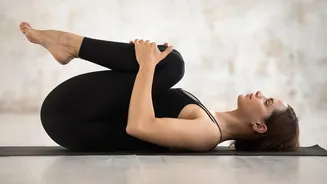
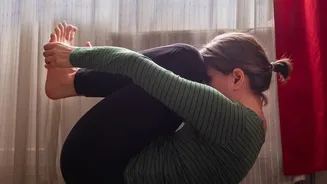
The name of this pose, Pawanmuktasana, literally translates to 'wind-relieving pose', and for good reason. Lie on your back, and on an exhale, draw both knees into your chest. Wrap your arms around your shins and hold them close to your body. The gentle compression on your abdomen can help release trapped gas and alleviate bloating. For an added massage effect on the colon, you can rock gently from side to side. Hold for 5-10 deep breaths, allowing your belly to expand against your thighs with each inhale.
Seated Spinal Twist to Aid Motility
Twisting poses are like wringing out a sponge; they help massage the abdominal organs, which can stimulate the secretion of digestive juices and improve overall function. Sit on the floor with your legs extended. Bend your right knee and place your right foot on the floor outside your left thigh. Twist your torso to the right, placing your right hand on the floor behind you for support. You can hug your right knee with your left arm to deepen the stretch. Breathe deeply in the pose for 30 seconds, then gently release and repeat on the other side. This action of compressing and then releasing the digestive organs boosts circulation and encourages movement.
Bridge Pose for Abdominal Stretch
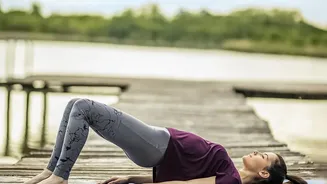
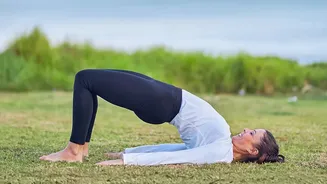
Bridge Pose provides a gentle stretch for the abdominal muscles and can help stimulate the organs. Lie on your back with your knees bent, feet flat on the floor hip-width apart, and arms alongside your body with palms down. Press into your feet and lift your hips off the floor. This gentle backbend creates space in the abdomen and can help improve circulation to your digestive organs. It also activates the nervous system in a way that can promote calm and better gut motility. Hold for a few breaths before slowly lowering your spine back to the floor.