




The Great Green Wave
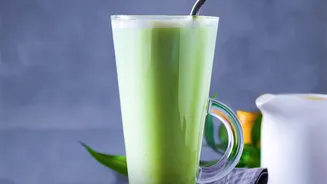
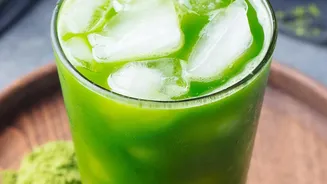
It’s hard to remember a time before matcha was everywhere. Its rise was fuelled by a perfect storm of factors. Visually, its electric green hue was an instant star on social media, promising an aesthetic as much as a drink. Health-wise, it was lauded
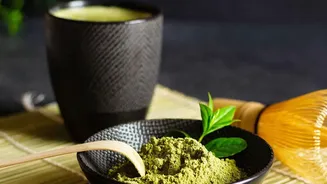
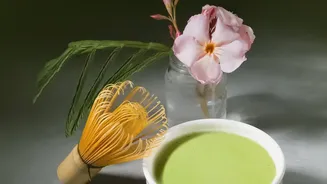
for being packed with antioxidants and L-theanine, an amino acid said to promote a state of 'alert calmness'. This combination of beauty and benefits turned the preparation itself—sifting the powder and whisking into a frothy suspension—into a mindful ritual that millions adopted, especially during the stay-at-home boom. The demand for high-quality matcha and its accompanying tools, like the 'chasen' (bamboo whisk) and 'chawan' (tea bowl), skyrocketed as making the perfect matcha latte at home became a beloved daily practice.
Has Matcha Lost Its Froth?
To be clear, matcha isn't disappearing. However, the initial explosive growth phase seems to be maturing. The headline-grabbing shortages and frantic searches for starter kits have subsided. This is a natural evolution for any trend; the market becomes saturated. Those who were curious have bought their whisks. As demand has strained supply chains, a flood of lower-quality powders has also entered the market, sometimes leading to a bitter taste and a less pleasant experience for newcomers. This quality decline, coupled with the natural desire for novelty, has created an opening. The wellness-savvy consumers who first championed matcha are now asking, 'What's next?'. The answer lies in a diverse new range of beverages that offer different flavours, functions, and stories.
Enter Hojicha: The Toasted Contender
One of the most natural successors to matcha comes from the same plant, Camellia sinensis. Meet hojicha, a Japanese green tea that is roasted over charcoal after harvesting. This simple step transforms it entirely. Where matcha is grassy, vegetal, and umami-rich, hojicha is toasty, nutty, and has notes of caramel. It’s a comforting, mellow flavour that requires no acquired taste. Critically, the roasting process significantly reduces the caffeine content, making it an ideal evening drink for those who love a tea ritual but not the sleepless nights. While matcha delivers a jolt of focused energy, hojicha offers soothing warmth, positioning it as a go-to for relaxation and unwinding. It’s the perfect next step for tea lovers looking for a new profile.
The Old-World Revival: Shrubs and Switchels
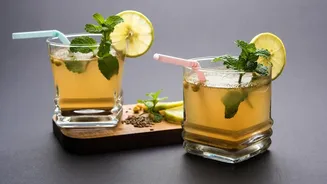
Moving away from tea entirely, another category gaining traction is the revival of historic vinegar-based drinks known as shrubs and switchels. These 'drinking vinegars' date back centuries as a way to preserve fruit and create refreshing beverages. A shrub is typically made from fruit, sugar, and vinegar, resulting in a tart and sweet syrup that can be mixed with water or soda. A switchel, or 'Haymaker's Punch', traditionally uses ginger, vinegar, and a sweetener like molasses or maple syrup. Their appeal today is twofold. First, they offer a complex, tangy flavour profile that is a world away from creamy lattes. Second, with apple cider vinegar as a common base, they tap directly into the modern interest in gut-friendly, fermented, and probiotic drinks.
The Rise of Functional Beverages in India
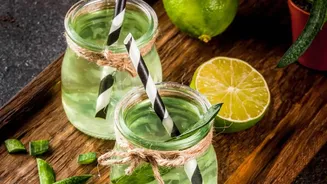
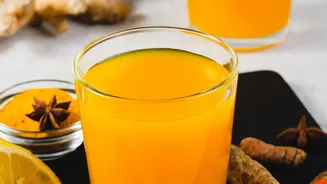
The shift away from a single-focus drink like matcha is part of a larger global movement towards 'functional beverages'—drinks that do more than just hydrate. This trend is booming in India, where the functional beverage market is growing at a remarkable rate. Urban Indian consumers are increasingly seeking out drinks that offer specific benefits like stress relief, enhanced focus, or gut health. This has led to the mainstreaming of beverages featuring adaptogenic herbs like ashwagandha and tulsi, which have deep roots in Ayurveda. Simultaneously, there's a revival of traditional Indian drinks like shikanji, jaljeera, and sattu, now available in convenient, ready-to-drink formats that promise both familiar flavour and functional benefits. This move is towards a personalised, purpose-driven approach to what we drink, where every sip serves a specific wellness goal.