





A Boom in Global Connectivity
The year 2026 has been a landmark for Indian aviation, marked by ambitious expansion from both domestic and international carriers. Spurred by a surge in passenger demand, airlines are adding new direct routes that bypass traditional and often lengthy
layovers in the Middle East or Europe. With modern, fuel-efficient aircraft like the Airbus A321XLR and Boeing 787 Dreamliner, carriers can now connect Indian cities directly to destinations that were previously out of non-stop reach. This growth isn't just about convenience; it's a strategic shift aiming to establish India as a major global aviation hub.
New Gateways to Europe and Asia
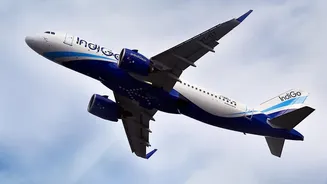
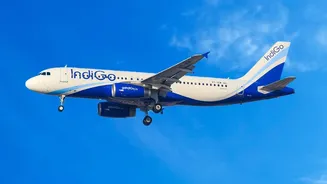
Europe has become significantly more accessible. A standout addition has been IndiGo's direct flights to Athens from both Mumbai and Delhi, which launched in January 2026, marking the airline's first use of the long-range A321XLR aircraft. In another first for South India, SWISS International Air Lines began a direct service between Bengaluru and Zurich in October. Further enhancing Nordic connectivity, SAS Scandinavian Airlines also re-entered the Indian market with a non-stop route from Copenhagen to Mumbai. In Asia, connectivity has also deepened. Air India launched a new service from Mumbai to Tokyo's convenient Haneda Airport, while IndiGo introduced daily direct flights from Kolkata to Shanghai. Other new routes include IndiGo's flights from Chennai to Réunion Island and from Delhi to Colombo, plus a new Air India Express service from Indore to Abu Dhabi.
Navigating the USA-India Corridor
The USA-to-India routes have seen significant changes in 2026. While new options have emerged, scheduling has become complex. As of late 2026, only three US airports—New York (JFK), Newark (EWR), and San Francisco (SFO)—offer consistent non-stop flights to India, primarily to Delhi. Air India also operates direct flights to Mumbai from JFK and Newark. However, the term 'non-stop' requires scrutiny. Due to airspace restrictions over regions like Pakistan and Iran, some westbound flights from India to the US East Coast have been making technical stops for fuel in cities like Rome, even if the eastbound flight is direct. These stops can add several hours to the journey. The good news is that as of mid-November 2026, Air India has resumed true non-stop services on its four key routes from Delhi and Mumbai to New York (JFK and Newark) after certain airspace restrictions were eased, cutting travel time by up to five hours. Routes like Chicago to Delhi have been less reliable, with some services suspended during the year.
Why You Must 'Check the Fine Print'
The headline's advice to check schedules is more critical than ever. The dynamic nature of international aviation in 2026 means routes can change frequently. An airline might announce a new route, but the launch can be delayed, as seen with some previously planned non-stop flights from the US to Bengaluru. Furthermore, what appears as a 'direct' or 'non-stop' flight on a booking website might involve a technical stop that isn't immediately obvious. Airlines have also made temporary schedule adjustments throughout the year, reducing frequencies on some routes due to operational constraints, which can affect travel plans made months in advance. Always verify the exact itinerary, including flight numbers and aircraft type, directly on the airline's official website before confirming your booking. Pay close attention to the total travel time, as this is the clearest indicator of any hidden stops.
Tips for Smart Holiday Booking
To navigate this new landscape, a few strategies can help. First, book early, especially for non-stop routes, as this limited inventory fills up faster than one-stop options. For US-India travel, be aware that while three airlines—Air India, United, and American Airlines—operate non-stops, many other carriers offer competitive one-stop flights through Europe or the Gulf. When booking, use flight aggregators to compare prices but always complete the final purchase on the airline's site to ensure you have the most accurate schedule information. Set up fare alerts for your desired routes to catch price drops. Finally, consider booking with a credit card that offers travel insurance or purchasing a separate policy. This can provide protection against unexpected schedule changes or cancellations, giving you peace of mind as you plan your holiday.