





Smarter Signals for a Mega City
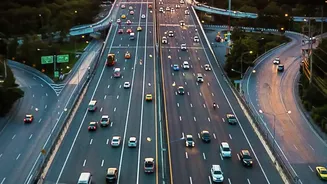
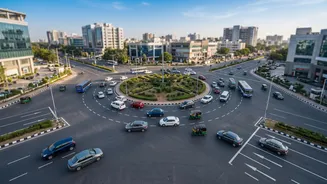
Delhi's roads, currently home to over 7.1 million active vehicles, have long been plagued by congestion, with traffic growth far outpacing infrastructure expansion. Most of the city's 1,500-plus signals operate on fixed timers, leading to frustrating
delays where motorists wait at red lights even when there's no cross-traffic. The new Intelligent Traffic Management System (ITMS), approved by the Union Cabinet, aims to replace this rigid structure with a dynamic one. Under the plan, Adaptive Traffic Control Systems (ATCS) will be installed at 1,092 junctions. These AI-enabled signals will analyze live traffic volume from cameras and sensors, automatically adjusting green and red light durations to match the real-time flow of vehicles, a significant upgrade from manual interventions and preset timings.
How the AI 'Brain' Will Work
At its core, the ITMS will function as a centralized 'brain' for the city's traffic network. It will continuously gather data from cameras and sensors to understand traffic density, speed, and patterns. Instead of each signal working in isolation, the system will coordinate signals along 42 key corridors to create 'green waves,' allowing traffic to flow smoothly through multiple intersections without constant stops. The AI can also anticipate where congestion might build up and proactively adjust signal cycles to prevent gridlock before it starts. This move from a reactive to a predictive model is designed to make the entire road network more efficient, responding dynamically to everything from peak hour rush to unexpected incidents.
More Than Just Green Lights
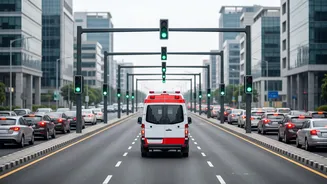
The benefits of the ITMS extend far beyond just managing traffic flow. A key feature is the ability to create priority green corridors for emergency vehicles. Ambulances will be fitted with sensors that communicate with upcoming signals, automatically turning them green to ensure a faster, uninterrupted passage through congested areas. The system will also enhance enforcement at over 1,000 locations. AI-powered cameras will automatically detect a wide range of violations, including red-light jumping, speeding, driving without a helmet or seatbelt, and using a mobile phone while driving. Furthermore, the AI analytics can help identify stolen vehicles, repeat offenders, and even vehicles linked to hit-and-run incidents, adding a powerful layer of public safety.
A Phased Rollout Across the Capital
This ambitious project will not be an overnight transformation. The Delhi Police will implement the ITMS in three phases over a 24-month period, followed by a five-year operation and maintenance contract. The first phase, set to be completed within 12 months, will focus on five major corridors, including the Ring Road and Outer Ring Road, installing 250 adaptive signals. The second phase will cover seven more corridors within 18 months, with the remaining corridors addressed in the final phase. To ensure its success, the government is taking a performance-driven approach, where each phase will be thoroughly evaluated before the next one begins. The Centre for Development of Advanced Computing (C-DAC) will serve as the technical consultant, overseeing the project's implementation.
The Promise for Delhi Commuters
For the average Delhi commuter, the successful implementation of this system promises a more predictable and less stressful travel experience. By reducing unnecessary stoppages and optimizing traffic flow, the ITMS is expected to cut down on travel times and fuel consumption. Commuters will also have access to real-time traffic information through Variable Message Sign (VMS) boards and digital platforms, helping them make informed decisions about their routes. This project represents a significant step towards modernizing Delhi’s urban mobility, aligning it with other major cities like Bengaluru and Pune that have already begun implementing similar AI-driven traffic solutions. The goal is to make Delhi's roads not only smoother and faster but also significantly safer for everyone.