


The Two and Three-Wheeler Backbone
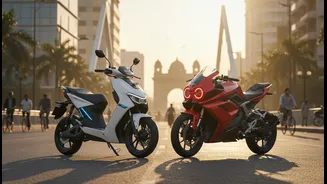
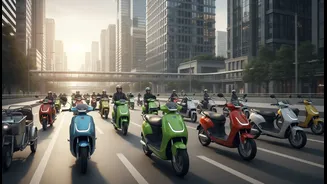
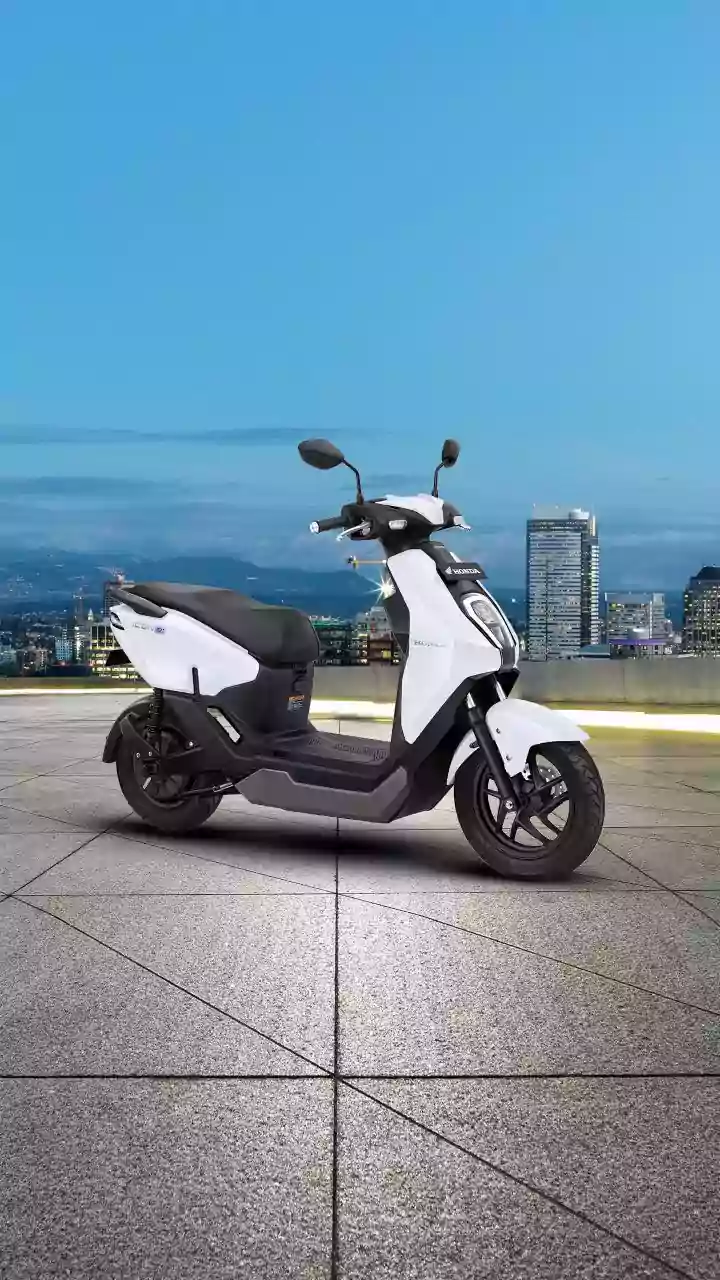
India's roads are dominated not by cars, but by millions of scooters, motorcycles, and auto-rickshaws. This reality is shaping its electric future. According to a recent report from the India Energy Storage Alliance (IESA), electric two-wheelers (E2W)
and three-wheelers (E3W) accounted for over 91% of total EV sales in 2025. This isn't a niche market; it's the heart of India's mobility landscape. With the government aiming for 80% of two and three-wheeler sales to be electric by 2030, the focus is clear. This strategy leverages the existing transport culture, where these vehicles are essential for daily commutes, small business logistics, and last-mile delivery services. Recent data from June 2026 shows electric two-wheelers hitting a record 10.6% of their market segment, a strong signal that mass adoption is accelerating.
Why Not Cars First?
Unlike in Western countries, a 'car-first' EV model in India faces significant hurdles. The primary barriers are high upfront costs, range anxiety, and a still-developing public charging infrastructure. Electric cars remain significantly more expensive than their internal combustion engine (ICE) counterparts, placing them out of reach for a large portion of the population. Furthermore, while charging stations are growing in number, they remain scarce outside of major urban centers, making long-distance travel a concern. In contrast, two-wheelers are more affordable, and many models can be charged using standard home sockets, bypassing the need for extensive public infrastructure. For the millions who use these vehicles for shorter, daily trips within cities, range is less of an issue, making the switch to electric more practical and economically viable.
The Policy and Economic Engine
Government support has been a critical catalyst. Schemes like FAME (Faster Adoption and Manufacturing of Electric Vehicles) and its successor programs have provided subsidies that lower the purchase price of electric two and three-wheelers. While the upcoming FAME-III policy is expected to continue focusing on these segments, a shift is underway where market demand is beginning to stand on its own. The economic case is particularly compelling for commercial users. For delivery fleets and auto-rickshaw drivers, the lower operating costs of EVs—due to cheaper electricity versus petrol and reduced maintenance—lead to a lower total cost of ownership, making the switch a sound business decision. This has driven EV penetration in the three-wheeler passenger segment to over 50% as of June 2026.
Overcoming the Roadblocks
Despite the momentum, challenges remain. A robust and standardized charging and battery-swapping network is crucial for building consumer confidence. Currently, a lack of standardization across charging connectors can create confusion. Ensuring battery safety and reliability, especially given India's extreme weather conditions, is another key area of focus for manufacturers. Perhaps most importantly, making financing more accessible is vital. While the total cost of ownership is lower, the higher initial price can still be a barrier for many potential buyers, particularly in lower-income and rural areas. Addressing these issues through continued investment in infrastructure, technology, and financial products will be essential to unlock the market's full potential.
A Blueprint for Global Leadership
By forging its own path, India is not just electrifying its transport sector; it is creating a potential blueprint for other developing nations. The focus on affordable, small-format EVs could create a massive domestic manufacturing industry for vehicles, batteries, and components, with projections for the component market alone reaching over Rs 3,00,000 crore by 2032. This approach addresses the unique needs of its population, promising quieter cities, cleaner air, and new economic opportunities. As the market matures, India could become a global leader and exporter of electric two and three-wheeler technology, proving that the road to an electric future doesn't have to be paved exclusively for cars.