



The Joshimath Sinking Crisis
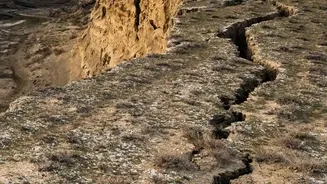
In early 2023, the pilgrimage town of Joshimath in Uttarakhand began to visibly sink, with huge cracks appearing in homes and roads. This wasn't a sudden event but the culmination of decades of warnings. The town is built on ancient landslide debris,
a fragile foundation to begin with. Unregulated, multi-story construction, a lack of proper drainage systems, and vibrations from nearby infrastructure development, including the Tapovan Vishnugad hydropower project, all contributed to the land subsidence. Experts point to a fatal combination of ignoring geological vulnerability and prioritising construction over caution, turning a known risk into an inevitable disaster.
The Chamoli Glacier-Rock Avalanche
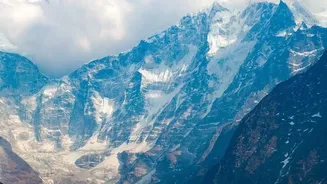
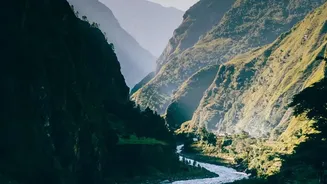
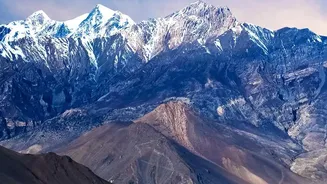
In February 2021, a catastrophic flood tore through the Rishiganga and Dhauliganga valleys in Chamoli district. Triggered by a massive rock and ice avalanche from Ronti Peak, the disaster obliterated two hydropower projects: the Rishiganga project and the larger Tapovan Vishnugad plant. Over 200 people were killed or went missing. The event ignited a fierce debate about the wisdom of building large-scale energy projects in such geologically active and sensitive high-altitude zones. Critics argue that the placement of these dams in the direct path of known hazards like avalanches and flash floods represents a catastrophic failure of land-use planning and risk assessment.
The 2013 Kedarnath Floods
One of modern India's worst natural disasters, the 2013 Kedarnath tragedy, was a brutal lesson in the dangers of unregulated development. While triggered by extreme rainfall and a glacial lake outburst, the scale of destruction was massively amplified by human factors. The riverbanks of the Mandakini had been choked with illegally built hotels, guesthouses, and shops to cater to the booming pilgrimage economy. This rampant construction on the floodplain obstructed the river's natural course, and when the floodwaters came, they swept away these structures, adding to the debris and the devastating force of the deluge that claimed over 6,000 lives.
Sikkim's Glacial Lake Outburst Flood
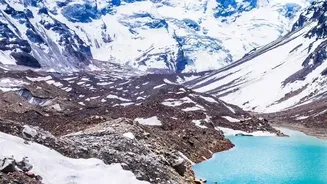
In October 2023, the South Lhonak glacial lake in Sikkim breached its banks, unleashing a torrent of water down the Teesta River valley. The Glacial Lake Outburst Flood (GLOF) was a known risk. What made it a catastrophe was the presence of the massive Teesta-III hydropower dam at Chungthang, directly in the flood's path. The dam's gates could not be opened in time, and the structure was destroyed, adding its own debris to the floodwaters and amplifying the destruction downstream. The event highlighted a critical failure to place infrastructure away from high-risk zones and to implement effective early-warning systems for known climate-change-related threats.
Himachal Pradesh's Widespread Landslides
The monsoons of 2023 were particularly devastating for Himachal Pradesh, which saw thousands of landslides cripple the state, kill hundreds, and cause enormous damage to property and roads. Experts have been clear that while heavy rains are the trigger, the underlying cause is often unscientific land use. Extensive road widening projects, which involve vertical cutting of fragile slopes without adequate support, and the boom in construction for tourism and hydropower have destabilised entire mountainsides. This turns periods of intense rainfall, which are becoming more common with climate change, into large-scale disasters.
The Recurring Kinnaur Tragedies
The Batseri bridge collapse in Kinnaur in 2021, caused by falling boulders, was one of several deadly landslide events to strike the district. This region is marked as highly susceptible to landslides, a vulnerability made worse by extensive blasting and cutting for roads and hydropower projects. The geology of the area is inherently fragile, but human activity has significantly increased the frequency and danger of these collapses. Each new road and tunnel can weaken the structural integrity of the mountains, creating ticking time bombs that are set off by rainfall or minor seismic tremors, with tragic consequences for those living and travelling below.
The Silent Crisis of Dying Springs
Not a single dramatic event, but a slow-motion disaster with profound consequences. Across the Himalayas, millions depend on natural springs for drinking water. According to a NITI Aayog report, nearly 50% of these springs are drying up. The primary causes are changes in land use: deforestation, road construction, and urbanisation that disrupt the natural groundwater recharge cycle. As forests are cleared and soil is covered with concrete, rainwater can no longer seep into the ground to replenish the aquifers that feed these springs. This growing water scarcity is a direct result of land-use decisions that have failed to account for their impact on the region's most vital resource.