



1. Carrots (Gajar): The Versatile Classic
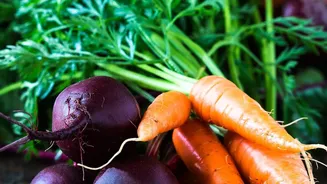
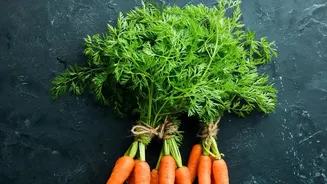
Carrots are a staple in Indian kitchens for a reason. They are inexpensive, available year-round, and packed with beta-carotene, which the body converts to Vitamin A for healthy vision and immunity. Their natural sweetness makes them a hit with both kids
and adults. Beyond the classic Gajar ka Halwa, their uses are endless. For a quick and healthy weeknight sabzi, simply sauté chopped carrots with cumin seeds, turmeric, and a pinch of salt. You can also grate them raw into salads for a refreshing crunch, blend them into a hearty soup, or roast them with a touch of honey and garam masala for a flavourful side dish.
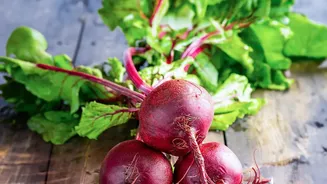
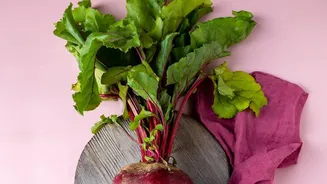
2. Beetroot (Chukandar): The Colourful Powerhouse
Don't be intimidated by its vibrant, stain-prone colour; beetroot is a nutritional powerhouse. It's rich in antioxidants, fibre, and nitrates, which may help support heart health. This earthy vegetable is surprisingly easy to prepare. Boil or roast it whole, then peel and slice it for a simple salad with a sprinkle of chaat masala. Grating raw beetroot into yogurt makes for a stunning and nutritious raita. For a quick health boost, you can blend it into juices and smoothies. Its mild sweetness also helps balance other flavours in curries and stews, all while adding a beautiful ruby hue to your plate.
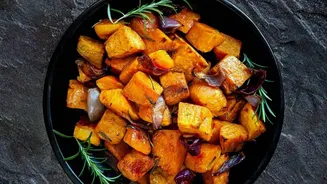
3. Sweet Potato (Shakarkandi): The Comforting Carb
Often hailed as a healthier alternative to the regular potato, sweet potato offers more fibre and an incredible amount of Vitamin A. It's a versatile root that can be prepared in both sweet and savoury ways. For a simple and satisfying snack, you can roast cubes of sweet potato with a little oil and spices until tender. Boiled and mashed sweet potato can be formed into delicious tikkis or patties. It is also famously enjoyed as Shakarkandi chaat, where roasted pieces are tossed with lemon juice and spices. Its natural sweetness means it needs very little to taste great, making it a simple and healthy choice.
4. Radish (Mooli): The Peppery Staple
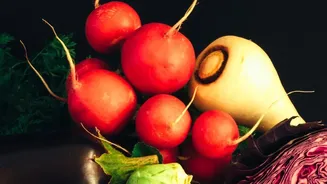
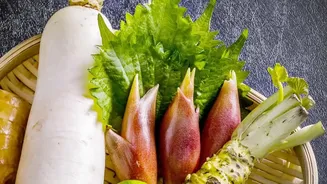
Known for its sharp, peppery flavour, radish is a fantastic, low-calorie addition to your meals. It's a good source of Vitamin C and contains compounds that can aid digestion. While commonly eaten raw in salads, its culinary uses are far more extensive in Indian cuisine. One of the most popular preparations is Mooli Paratha, where grated radish is used as a flavourful filling. A simple Mooli ki Sabji, a quick stir-fry with carom seeds and green chillies, lets the radish's unique flavour shine. You can even add it to dals and sambar for an extra layer of flavour and texture. Don't throw away the leaves; they are highly nutritious and can be cooked along with the root.
5. Turnip (Shalgam): The Underrated Gem
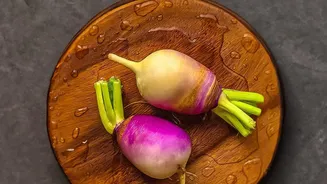
Turnips are often overlooked, but this humble root is a staple in many regional Indian cuisines, particularly in Punjab and Kashmir. It has a unique flavour that's part sweet and part peppery. Low in calories but a good source of fibre and Vitamin C, turnips are a great vegetable for everyday meals. A classic Shalgam ki Sabzi, cooked with tomatoes, ginger, and garlic, is a simple and flavourful dish. The slight pungency of the turnip is often balanced with a little jaggery or tomato, resulting in a beautifully balanced curry. You can also mash cooked turnips to create a bharta, similar to Baingan Bharta, for a different texture.