


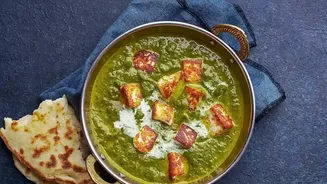
Paneer: The Soft, Creamy Delight
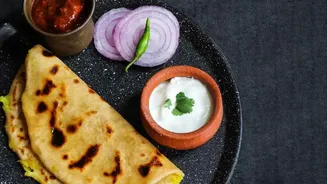
The Paneer Paratha is all about indulgence. Its defining characteristic is a soft, almost melt-in-your-mouth texture that feels rich and satisfying. The filling consists of crumbled or grated paneer, which, when cooked, becomes warm and pillowy inside
the golden-brown bread. The key to achieving this perfect creaminess lies in the preparation of the paneer itself. Using fresh, moist paneer is crucial. Whether you crumble it by hand for a slightly more rustic feel or grate it for a uniform consistency, the goal is to keep the filling light. Many experienced cooks advise against over-spicing, allowing the subtle, milky flavour of the paneer to shine through. The dough for a paneer paratha must be exceptionally soft and pliable to accommodate the delicate filling without tearing. When cooked on a tawa with a dollop of ghee, the result is a paratha that is crisp on the outside but yields to a tender, cheesy interior that is deeply comforting.
Gobhi: The Hearty, Substantial Bite
Gobhi Paratha, or cauliflower-stuffed paratha, offers a completely different textural experience. It's heartier, with a satisfyingly dense and slightly crunchy bite. The filling is made from grated cauliflower, which retains some of its texture even after being cooked. This gives the paratha a substantial quality that makes it a popular breakfast choice across North India. The biggest challenge with gobhi paratha is managing the moisture content of the cauliflower. If the grated gobhi is too wet, it can make the dough soggy and cause the paratha to break while rolling. To avoid this, home cooks have a trusted trick: after grating the cauliflower, squeeze out all the excess water using your hands or a muslin cloth. Another pro-tip is to add salt to the filling only at the very last moment, just before stuffing it into the dough, as salt naturally draws out water. When done right, a gobhi paratha is a flavourful and texturally robust flatbread, with the spiced, slightly toothsome cauliflower providing a wonderful contrast to the soft wheat casing.
Methi: The Chewy, Flavour-Infused Layers
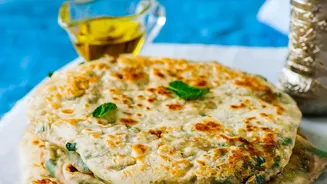
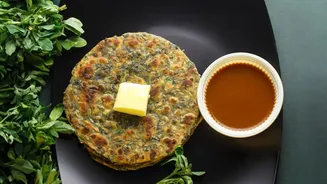
Unlike its stuffed counterparts, the Methi Paratha typically integrates its star ingredient directly into the dough. Fresh fenugreek leaves (methi) are finely chopped and kneaded into the whole wheat flour, along with spices. This fundamental difference in preparation results in a unique texture: a chewy, layered, and slightly dense flatbread. There is no distinct filling; instead, the slightly bitter, aromatic flavour of methi is infused throughout every bite. The moisture from the fresh leaves contributes to a soft and pliable dough, making the parathas stay tender for longer. Some recipes also add a bit of besan (gram flour) to the dough, which imparts a slightly drier, crispier finish. Because the leaves are part of the dough, the paratha doesn't puff up in the same way a simple roti might, but it develops beautiful, flaky layers when cooked with ghee. This creates a paratha that is wonderfully flavourful on its own and has a satisfying chew that makes it perfect for dipping into yogurt or enjoying with a side of pickle.
Mastering the Dough and Rolling
Regardless of the filling, the foundation of any great paratha is a well-made dough. For all three varieties, the consensus is clear: the dough must be kneaded until it is soft and smooth. Using lukewarm water and a small amount of oil or ghee during kneading helps create a pliable dough that is easy to work with. Allowing the dough to rest for at least 20-30 minutes is another crucial step. This rest period allows the gluten to relax, making the dough more elastic and less likely to tear when you roll it. When it comes to rolling stuffed parathas like paneer and gobhi, the key is to use gentle, even pressure. Over-stuffing is a common mistake that leads to breakage. By rolling lightly from the centre outwards, you can evenly spread the filling and create a perfect, round paratha where every bite is a balanced mix of dough and stuffing.