





The International Energy Agency (IEA) has issued a stark warning: the era of volatile and high energy prices is here to stay, at least for now. For a rapidly growing economy like India, what does this mean for your wallet and the nation's future?
The New Reality: No Easy Return to Normal
The world
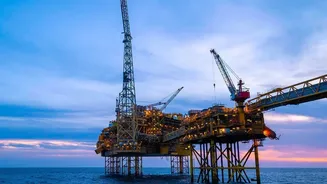
should not expect energy prices to return to pre-conflict levels in 2027, according to IEA Executive Director Fatih Birol. Speaking at the Singapore International Energy Week on October 26, 2026, Birol stated there is no 'credible pathway' for markets to revert to their state before the Middle East conflict involving Iran began, which has severely disrupted global oil and gas supplies. This prolonged period of instability has tightened markets, with oil prices hovering near $120 a barrel, creating significant economic pressure on many nations, especially those in Asia.
Geopolitics, Not Just Demand, Is Driving Prices
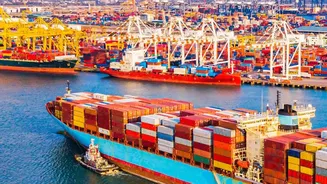
The current energy market is being shaped more by geopolitical uncertainty than traditional supply and demand fundamentals. Ongoing regional conflicts and maritime challenges have introduced a significant 'risk premium' on crude oil prices, even as Middle Eastern exports have started to recover. The IEA highlights that key global energy arteries are under pressure, and the trust that underpins stable markets has become a scarce commodity. This environment means even small disruptions can have an outsized impact on global prices, creating a volatile situation that countries and consumers must navigate.
A Pain Point for India’s Economy
As a nation that imports nearly 89% of its crude oil, India is particularly vulnerable to these global shocks. Elevated energy prices pose a direct threat to inflation management, corporate profits, and overall macroeconomic stability. Every one-dollar increase in the price of a barrel of crude oil can increase India's annual import bill by approximately $1.8 billion to $2 billion. The International Monetary Fund (IMF) has also warned that sustained high energy prices could slow India's economic growth and increase the cost of living, despite the country's resilience in sourcing oil from alternative markets.
The Squeeze on Diesel and Gasoil
The IEA has specifically flagged a crunch in the diesel and gasoil markets, which is expected to extend into mid-2027. These refined products are crucial for transportation, industry, and even heating. Disruptions to exports from the Middle East and Russia have forced draws on global stockpiles, and the situation may worsen as the Northern Hemisphere heads into winter. The IEA's October Oil Market Report noted that replenishing these inventories is unlikely before the second half of 2027, suggesting that prices for these essential fuels will remain high.
Looking Ahead to 2027
While the immediate outlook is challenging, some forecasts see a potential easing of prices in 2027. Projections from institutions like the US Energy Information Administration (EIA) and Goldman Sachs suggest Brent crude could average between $80 and $84 a barrel in 2027, assuming a gradual recovery in Middle Eastern supplies. However, this relief is far from guaranteed and hinges on the fragile geopolitical situation. The IEA's own longterm scenarios from June 2026 even suggested a potential surplus of oil in 2027 if Middle East production fully recovers, but this forecast is subject to 'a substantial level of uncertainty'. For now, the dominant message is one of caution and preparation for continued volatility.