




The Breeding Ground in Your Bag
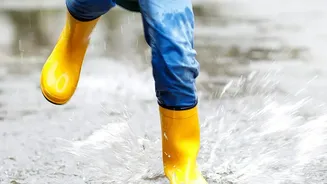
The core of the problem lies in moisture and humidity. The monsoon season is defined by high humidity, which creates the perfect environment for bacteria and fungi to thrive. When you place a damp raincoat, a wet umbrella, or even a rain-splashed bag
alongside a food parcel, you are essentially creating a portable incubator. Microbes like E. coli and Salmonella, notorious for causing food poisoning, multiply rapidly in such warm, humid, and damp conditions. Even if the food is packaged, moisture can compromise the wrapping, allowing contaminants to seep in. The fabric of the bag itself can become a reservoir for microbial growth, cross-contaminating items on future trips.
From Dampness to Disease
The consequences of this microbial growth can range from mild discomfort to severe illness. Consuming food that has been stored in a damp, contaminated environment significantly increases the risk of gastrointestinal infections. Common ailments during the monsoon include food poisoning, acute gastroenteritis, diarrhoea, and cholera. Symptoms often include nausea, vomiting, stomach cramps, and fever. The high humidity of the season already makes food spoil faster; adding direct moisture from wet items simply accelerates this process, turning a seemingly harmless snack into a potential health hazard.
Smart Packing for Monsoon Outings
Preventing this risk doesn't mean you have to miss out on monsoon events. It just requires a more mindful approach to packing. The simplest and most effective strategy is separation. Use dedicated waterproof bags or compartments. Keep your wet umbrella, raincoat, and other damp items completely separate from anything edible. You can use smaller, sealable plastic bags for your food packs to provide an extra layer of protection against ambient moisture. It's also wise to choose foods that are less prone to spoilage. Dry snacks are often a safer bet than items with gravies or dairy-based products that can spoil quickly in the heat and humidity.
Hygiene Beyond the Bag
Your bag is just one part of the equation. Personal hygiene is paramount during the monsoon. Always wash your hands thoroughly with soap and water before eating, or carry an alcohol-based hand sanitiser for situations where water isn't available. When attending events, be cautious about the food and water you consume. Opt for freshly cooked, hot food from vendors who maintain clean stalls. Avoid raw foods like salads or pre-cut fruits, which can easily be contaminated. Similarly, drink only bottled, filtered, or boiled water to avoid water-borne diseases, which see a spike during this season.