



The Grand Vision for a Connected North
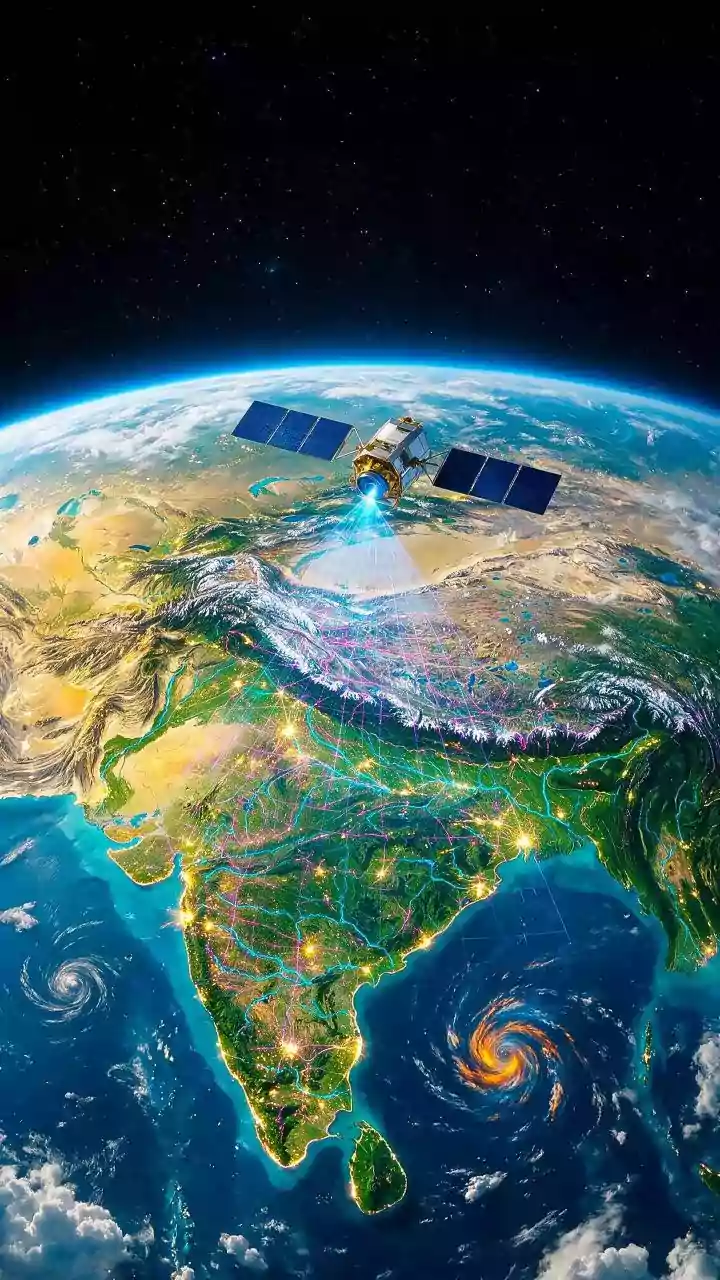
India's ambition to create a 'Diamond Quadrilateral' of high-speed rail connecting major metro cities includes a critical component: the Northern Corridor. This network aims to link the national capital, Delhi, with key economic, cultural, and political
hubs across North and East India. Recent approvals have expanded the vision for this corridor, which now proposes to connect cities across Uttar Pradesh, Bihar, West Bengal, and even Assam. The goal is to slash travel times dramatically, turning journeys that take many hours into trips of just a few. For instance, the Delhi-Varanasi travel time is projected to be just under three and a half hours. This initiative is not just about speed; it's positioned as a tool for economic integration, regional development, and boosting tourism.
Key Routes on the Drawing Board
The northern network primarily consists of several interconnected high-speed lines. The two most prominent are the Delhi-Varanasi and the Delhi-Amritsar corridors. The proposed 813-kilometre Delhi-Varanasi line is planned to pass through major Uttar Pradesh cities including Agra, Lucknow, and Prayagraj, and even features a proposed spur line to Ayodhya. More recent plans indicate this route will extend through Patna and Siliguri, ultimately reaching Guwahati in Assam. Separately, the 465-km Delhi-Amritsar corridor aims to connect the capital with key cities in Haryana and Punjab, such as Sonipat, Ambala, Ludhiana, and Jalandhar, with a branch also serving Chandigarh. Together, these routes form the backbone of the proposed northern high-speed network.
What 'Planning Stage' Really Means
The phrase 'still at the planning stage' signifies a long and complex process that precedes any construction. The crucial first step is the creation of a Detailed Project Report (DPR) by the National High Speed Rail Corporation Limited (NHSRCL), the agency responsible for these projects. A DPR is an exhaustive document that outlines route alignment, environmental impact, expected ridership, and cost estimates. For the Delhi-Varanasi corridor, the DPR has been submitted to the Ministry of Railways for consideration. The next steps involve securing cabinet approval, finalising a funding model, and then embarking on the most challenging phase: land acquisition. This planning and approval cycle can take years, meaning the vision remains a long-term goal.
Hurdles on the Track Ahead
The journey from blueprint to bullet train is fraught with significant challenges. Land acquisition is arguably the biggest hurdle, an issue that has caused major delays and cost escalations for the Mumbai-Ahmedabad corridor. Acquiring a continuous, straight-line path needed for high-speed rail through densely populated states is a monumental task. Funding is another major obstacle. These projects require enormous investment, with estimates running into lakhs of crores. While the model for the Mumbai-Ahmedabad project involved a substantial loan from Japan, the financing for the northern corridors is yet to be finalised. Furthermore, ensuring technical compatibility, especially if technology is sourced from multiple partners, and navigating inter-state coordination add further layers of complexity to these ambitious undertakings.
Lessons from India's First Corridor
The ongoing Mumbai-Ahmedabad project offers a real-world case study on the timelines and difficulties involved. Originally slated for a much earlier completion, the project faced significant setbacks, primarily due to land acquisition delays in Maharashtra and the global pandemic. The experience has highlighted that even with international partners like Japan, completing a 500-km high-speed line can take the better part of a decade. It has also underscored the importance of developing domestic manufacturing capabilities, a key focus under the 'Make in India' initiative for future corridors. The lessons learned from this first venture will be invaluable in navigating the even more complex web of corridors planned for the north, setting realistic expectations for a process that demands patience and persistence.