







The Underrated Power of Clove
Clove is one of the most powerful spices in the rack, known for its bold, pungent aroma and flavour. This intensity comes from a compound called eugenol, which gives clove its signature warming quality. While many bakers reach for cinnamon or nutmeg,
clove offers a more complex, almost smoky sweetness that can add a surprising and sophisticated layer to desserts. It’s a flavour that evokes nostalgia and comfort, reminiscent of classic gingerbread and spiced cakes. However, its potential goes far beyond traditional holiday fare. Because it's so potent, the key is to use it with a light hand; even a small amount can make a significant impact, adding warmth without overwhelming the other ingredients in your dish.
A Perfect Trio: Clove, Cinnamon, and Citrus
The headline gets it right: clove, cinnamon, and citrus are natural partners in the dessert world. This combination creates a beautiful balance of flavours. Cinnamon provides a familiar, sweet warmth that softens the bold punch of clove. Citrus, whether it's orange or lemon, cuts through the richness with a bright, zesty note that keeps the overall flavour profile from becoming too heavy. This trio works wonders in everything from cakes and tarts to cookies. For example, an orange and clove loaf cake or a spiced lemon pound cake showcases how these flavours can meld together to create a dessert that is both comforting and refreshingly complex. The woody notes of the spices are perfectly complemented by the acidity and fragrance of the citrus zest and juice.
How to Reinvent Your Favourite Desserts
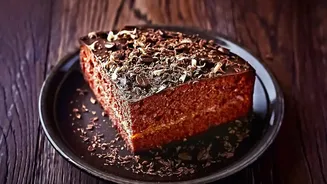
Integrating clove into your baking is simpler than you might think. Start with familiar recipes. Adding a quarter teaspoon of ground cloves to your apple pie, crisp, or crumble recipe alongside the usual cinnamon can create a deeper, more aromatic fruit filling. For gingerbread or molasses cookies, clove is an essential ingredient that provides the characteristic spicy bite. Don't be afraid to experiment. A pinch of ground clove can bring a surprising warmth to chocolate-based desserts, enhancing the richness of the cocoa. It also pairs beautifully with fruits like pears, dates, and pineapple. For a more subtle infusion of flavour, consider using whole cloves. Simmer a few whole cloves in the milk or cream you plan to use for a custard, panna cotta, or ice cream base, then remove them before proceeding with the recipe. This imparts a delicate aroma without the intensity of the ground spice.
Practical Tips for Using Cloves
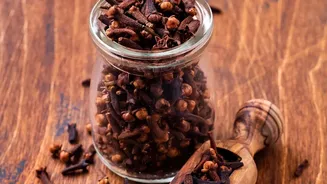
To get the most out of this spice, it’s helpful to know the difference between its two common forms. Whole cloves are dried flower buds and are best for infusing liquids like syrups, mulled wine, or poaching liquids for fruit. They release their flavour slowly and should typically be removed before serving. Ground cloves are much more potent and are ideal for incorporating directly into batters, doughs, and spice blends. Since ground spices lose their potency over time, it's best to buy them in small quantities or grind whole cloves yourself for the freshest flavour. As a rule of thumb, when substituting, use about three-quarters of a teaspoon of ground cloves for every one teaspoon of whole cloves a recipe might call for. Remember, restraint is key; the flavour of clove is strong, so it’s always better to start with less and add more if needed.