


What Exactly Is Flattened Rice?
Poha, also known as beaten rice, aval, or chivda, is made by parboiling paddy (unhusked rice), which is then flattened by rollers and dried. This simple process is the key to its convenience. Unlike raw rice that needs time to cook, poha is already partially
cooked, meaning it only needs to be briefly soaked or rinsed to rehydrate into soft, fluffy flakes. It comes in various thicknesses—thin, medium, and thick—with the thicker varieties being ideal for savoury dishes like breakfast poha because they hold their shape without turning mushy. This makes it an incredibly versatile ingredient, ready to absorb flavours in minutes.
The Secret to a Sub-20-Minute Breakfast
The primary reason poha facilitates such a speedy breakfast is its pre-cooked nature. The parboiling and flattening process gelatinises the starch, so you aren't cooking grains from scratch but rather rehydrating them. All it takes is a quick rinse under running water and a few minutes to rest in a colander. While the poha softens, you can prepare the flavour base—typically a tempering of mustard seeds, curry leaves, onions, and turmeric. By the time the tempering is fragrant, the poha is ready to be tossed in, and the entire dish comes together in under 20 minutes, making it a perfect solution for busy mornings.
More Than Just Convenience: A Nutritious Start
Poha is not just fast; it’s also a nutritious choice. It is a great source of healthy carbohydrates, which provide a steady release of energy to keep you focused throughout the morning. It’s naturally low in fat, gluten-free, and easy to digest, making it light on the stomach. Furthermore, the processing method can help it retain more iron compared to regular white rice. Squeezing a bit of lemon juice over the finished dish not only adds a zesty flavour but also helps the body absorb this iron more effectively. Adding vegetables, peanuts, or sprouts further boosts its nutritional profile.
Classic Lemon Poha: Simplicity at Its Best
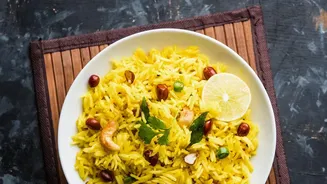
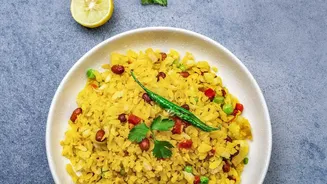
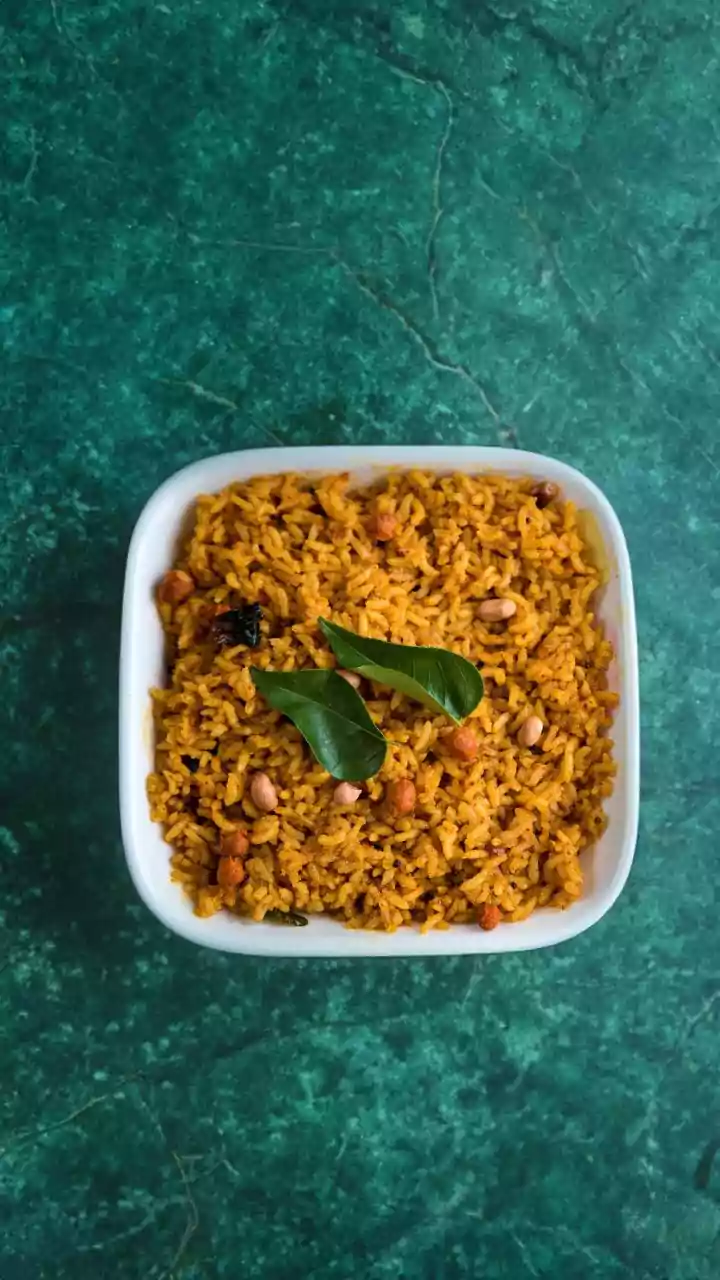
Lemon Poha, a South Indian favourite often called lemon aval, is the perfect example of poha's simple elegance. After rinsing the poha flakes, a simple tempering is made with oil, mustard seeds, lentils like chana dal, peanuts or cashews, and green or red chillies. A pinch of turmeric powder gives it its signature yellow hue. Once the tempering is aromatic, the softened poha is added and gently mixed. The final, crucial step is a generous squeeze of fresh lemon juice after the heat is turned off, which brightens the entire dish with a refreshing, tangy flavour. Garnished with fresh coriander, it's a light yet satisfying meal.
Vegetable Poha: A Hearty and Wholesome Meal
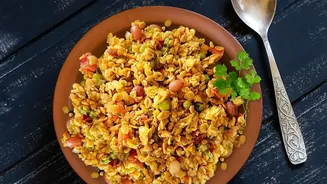
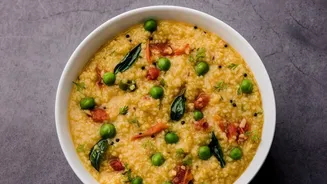
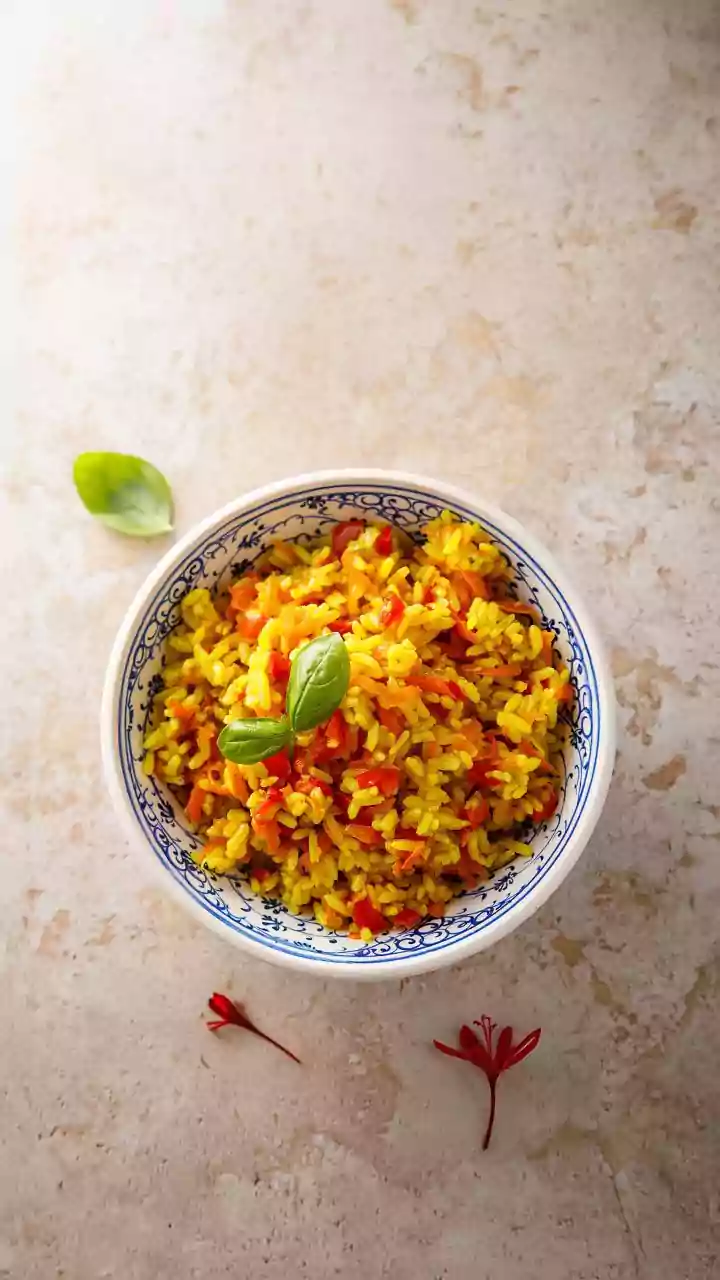
For a more substantial breakfast, Vegetable Poha is the answer. It follows the same basic principle but incorporates a variety of finely chopped vegetables. Onions, potatoes, carrots, peas, and bell peppers are commonly used. The vegetables are sautéed in the tempering after the onions have softened and cooked until tender before the poha is added. This not only adds vitamins, minerals, and fibre but also brings more texture and colour to the plate. It transforms a light snack into a balanced, one-pan meal that keeps you full and nourished for hours.
A Canvas for Endless Flavours
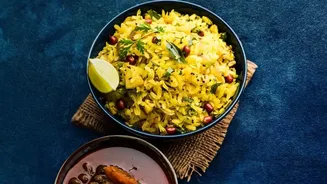
While Lemon and Vegetable Poha are popular, they are just the beginning. Across India, poha is adapted to local tastes. In Maharashtra, Kanda Poha, made with a generous amount of onions, is a beloved classic. Indori Poha from Madhya Pradesh is famously steamed to perfection and garnished with fennel seeds, jeeravan masala, sev, and pomegranate arils for a unique sweet and savoury taste. Gojju Avalakki from Karnataka features a tangy tamarind-based sauce. This adaptability is poha's greatest strength, inviting cooks to experiment with different spices, vegetables, and toppings.