






The Problem with Wet Heat
The most common ways to cook frozen vegetables are often boiling or microwaving, but these methods are the primary culprits behind a mushy texture. Frozen vegetables have already been blanched (partially cooked) before freezing, which softens their structure.
When you boil or steam them, you're introducing more water to a product that already releases moisture as its ice crystals melt. This excess water effectively stews the vegetables, preventing them from ever getting hot enough to brown. The result is often a waterlogged texture and diluted flavour, as water-soluble nutrients can leach out into the cooking water.
The Science of Flavour: Dry Heat and Browning
The key to deeply flavourful, browned vegetables lies in two chemical reactions: caramelization and the Maillard reaction. Caramelization is the browning of sugars, which creates nutty, rich flavours. The Maillard reaction is a more complex process that occurs between amino acids (the building blocks of protein) and sugars under heat, creating hundreds of new aromatic compounds. Both reactions require high temperatures—well above the boiling point of water—and a dry surface. When you use dry heat methods like roasting or air frying, the intense heat evaporates surface moisture quickly, allowing the vegetable's surface to reach the high temperatures needed for these browning reactions to occur.
The Golden Rule: Cook from Frozen
It might seem counterintuitive, but for the best results, you should almost always cook vegetables straight from the freezer. Thawing vegetables before cooking is a common mistake that guarantees a soggy outcome. As the ice crystals melt during thawing, the water releases and disrupts the cell walls of the vegetable, making it limp and waterlogged before it even hits the pan. Cooking from frozen allows the high heat of the oven or pan to evaporate that moisture rapidly, preserving a better texture. So, unless a recipe specifically instructs you to thaw and drain (as is sometimes the case with leafy greens like spinach), keep them frozen.
Your Guide to Roasting Frozen Vegetables
Roasting is arguably the best way to transform frozen vegetables. For maximum crispiness, high heat is your best friend. Preheat your oven to a hot 425-450°F (about 220-230°C). Some experts even recommend preheating your baking sheet in the oven to give the veggies a head start. Toss your frozen vegetables in a bowl with a generous amount of oil to help them brown and prevent drying out. Then, spread them in a single, even layer on the baking sheet. Overcrowding the pan traps steam, leading to sogginess, so use two pans if necessary. Roast for 20-30 minutes, flipping halfway through, until the edges are browned and crispy.
Quick and Crispy: The Air Fryer Method
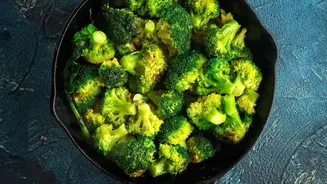
If you have an air fryer, you're in for a treat. The appliance is essentially a small, high-powered convection oven. Its ability to rapidly circulate hot air makes it exceptionally good at wicking away moisture and creating a crispy exterior on frozen foods. For most frozen vegetables like broccoli or cauliflower, a temperature of around 400°F (200°C) for 10-15 minutes, shaking the basket halfway through, will yield fantastic results. Just like with roasting, make sure not to overcrowd the basket to allow for maximum air circulation and browning.