





Find Peace at the Golden Temple
The heart of Amritsar is Sri Harmandir Sahib, universally known as the Golden Temple. This is the most sacred site in Sikhism, and its golden dome, reflected in the surrounding Amrit Sarovar (Pool of Nectar), is a sight of breathtaking beauty. Open nearly
24 hours a day, the temple welcomes everyone, regardless of faith. The constant, soothing sound of Kirtan (devotional music) creates an atmosphere of profound tranquility. Whether you visit in the soft light of dawn or see it illuminated at night, the experience is deeply moving. Remember to cover your head and remove your shoes as a sign of respect.
Participate in Langar, a Meal for All
Within the Golden Temple complex is one of the world's most incredible demonstrations of community service: the langar, or community kitchen. Every day, tens of thousands of people are served a simple, hot vegetarian meal, completely free of charge. The entire operation is run by volunteers. You can experience this beautiful expression of equality by sitting down to eat, or you can join in by helping to chop vegetables or wash dishes. It’s a powerful lesson in selflessness and shared humanity.
Witness the Wagah Border Ceremony
A short drive from the city lies the India-Pakistan border at Attari-Wagah. Every evening before sunset, a 'Beating Retreat' ceremony takes place. Soldiers from both India's Border Security Force and the Pakistan Rangers engage in a highly choreographed and theatrical display of patriotism. With high kicks, synchronised marches, and thunderous applause from the packed stands on both sides, the atmosphere is electric. It's a spectacle of national pride and military showmanship that is utterly unique. Arrive early to secure a good seat, as it gets very crowded.
Reflect at Jallianwala Bagh
Just a short walk from the Golden Temple is Jallianwala Bagh, a public garden that holds a solemn place in India's history. It is the site of the 1919 Amritsar massacre, where British troops fired on a peaceful, unarmed crowd. Today, it is a memorial. The preserved bullet holes in the walls and the Martyrs' Well, where many jumped to escape the gunfire, are haunting reminders of the tragedy. A visit here is a sobering and essential experience to understand a pivotal moment in India's struggle for independence.
Journey Through History at the Partition Museum
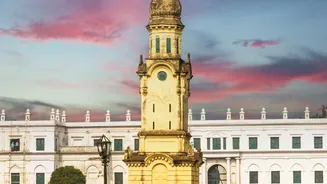
Located in the historic Town Hall, the Partition Museum is the world's first museum dedicated to the 1947 Partition of India. It tells the story of the largest mass migration in human history through a collection of personal objects, letters, photographs, and oral histories from survivors. The exhibits chronicle the time before, during, and after the division, focusing on the human cost and the resilience of those affected. It's an emotionally powerful museum that provides crucial context to the region's modern history.
Explore the Majestic Gobindgarh Fort
Once a military stronghold, Gobindgarh Fort has been transformed into a living heritage museum. Spread over 43 acres, the fort showcases the history of Punjab, particularly the era of Maharaja Ranjit Singh. You can explore museums inside, including a coin museum that once housed the Kohinoor diamond and a warfare museum. With 7D shows, live folk performances, and cultural exhibits, the fort offers an engaging and entertaining look into the region's glorious past.
Embark on a Culinary Tour
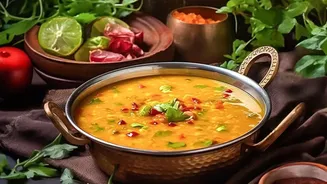
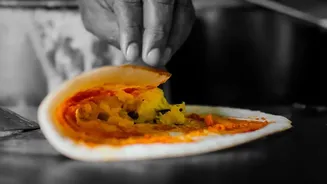
Amritsar is a food lover's paradise and is often called the culinary capital of Punjab. No trip is complete without indulging in its legendary street food. Start your day with a fluffy, stuffed Amritsari Kulcha. For lunch, find a local dhaba for a plate of rich Dal Makhni or Butter Chicken. In the afternoon, cool down with a tall glass of creamy Lassi. Exploring the city's food scene is an experience in itself, offering a delicious taste of authentic Punjabi flavours.
Shop in the Bustling Old City Bazaars
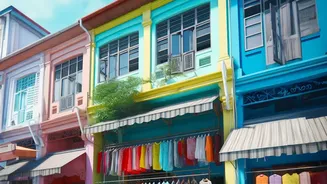
Dive into the vibrant chaos of Amritsar's old markets. Hall Bazaar is one of the oldest and busiest, offering a wide array of goods. Nearby, Guru Bazaar is famous for its traditional gold and silver jewellery, especially 'jadau' pieces. Katra Jaimal Singh Market is the place to go for textiles, from colourful Phulkari dupattas to tailored suits. Getting lost in these lively lanes is a fantastic way to soak up the local atmosphere and find unique souvenirs.
Experience Punjabi Culture at Sadda Pind
For a deep dive into rural Punjabi life, visit Sadda Pind. This cultural village and resort, spread over 12 acres, recreates a traditional Punjabi village with mud houses, artisans at work, and lively folk performances. You can watch potters, weavers, and Phulkari embroiderers, or enjoy energetic Bhangra and Giddha dances. It's an immersive and family-friendly experience that celebrates the vibrant traditions, crafts, and food of Punjab all in one place.
Discover the Ram Tirath Ashram
Located a few kilometres outside the city, the Bhagwan Valmiki Tirath Sthal, also known as Ram Tirath Ashram, is a significant spiritual site. Believed to be the ashram where the sage Valmiki wrote the epic Ramayana and where Sita gave birth to her twin sons, Luv and Kush, the site holds deep mythological importance. The complex features a beautiful main temple surrounded by a sacred tank. It offers a tranquil alternative to the bustling city centre and a different perspective on the region's spiritual heritage.