




The Crucial Role of Fibre
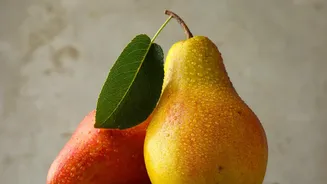
The single biggest difference between a whole pear and its juice lies in the fibre content. A medium-sized nashpati is packed with dietary fibre, delivering a significant portion of your daily needs. This fibre, particularly the soluble type called pectin,
forms a gel-like substance in your gut. This process slows down digestion and, most importantly, delays the absorption of sugar into your bloodstream. When you juice a pear, this beneficial fibre is almost entirely removed. The mechanical blending and filtering process breaks down the fruit's natural structure, leaving behind what is essentially sugar water. Without the fibre to act as a brake, the sugars are absorbed much more rapidly, leading to a quicker spike in blood sugar levels.
A Question of Sugar Concentration
While both the whole fruit and its juice contain natural sugars, the way your body processes them is vastly different. In a whole nashpati, the sugars are neatly packaged within the fruit's cellular structure, interwoven with fibre and water. This means your body has to work to break it down, resulting in a slow and steady release of energy. Pear juice, on the other hand, is a concentrated source of these same sugars. It often takes several pears to make a single glass of juice, meaning you consume the sugar from multiple fruits in a very short period, without the feeling of fullness that eating a whole fruit provides. This high, fast dose of liquid sugar can overwhelm the body's ability to manage it, prompting a sharp increase in blood glucose.
Decoding the Glycemic Index
The Glycemic Index (GI) is a scale that ranks foods on how quickly they raise blood sugar levels. Foods with a low GI are preferred for blood sugar management because they cause a slower, more gradual rise. Whole pears (nashpati) are a fantastic low-GI fruit, with a score typically ranging from 30 to 40. This makes them an excellent choice for those with diabetes or anyone looking to maintain stable energy levels. However, when you turn that pear into juice, the GI value changes dramatically. By removing the fibre and concentrating the sugar, you transform a low-GI food into a high-GI beverage that can cause the very blood sugar spikes you might be trying to avoid.
What About Nutrients?
Beyond fibre and sugar, there are other nutritional considerations. Pears are a good source of vitamins like C and K, as well as minerals like potassium and copper. They are also rich in antioxidants, especially in their skin. While pear juice does retain some of these vitamins and minerals, the juicing process can lead to a loss of certain sensitive nutrients and, crucially, the beneficial antioxidants found in the peel. Research suggests that eating whole fruits like pears is associated with a reduced risk of developing type 2 diabetes, a benefit not seen with fruit juice consumption. The synergistic effect of all the components in the whole fruit—fibre, vitamins, water, and antioxidants—working together is what delivers the maximum health benefit.
The Clear Winner for Blood Sugar
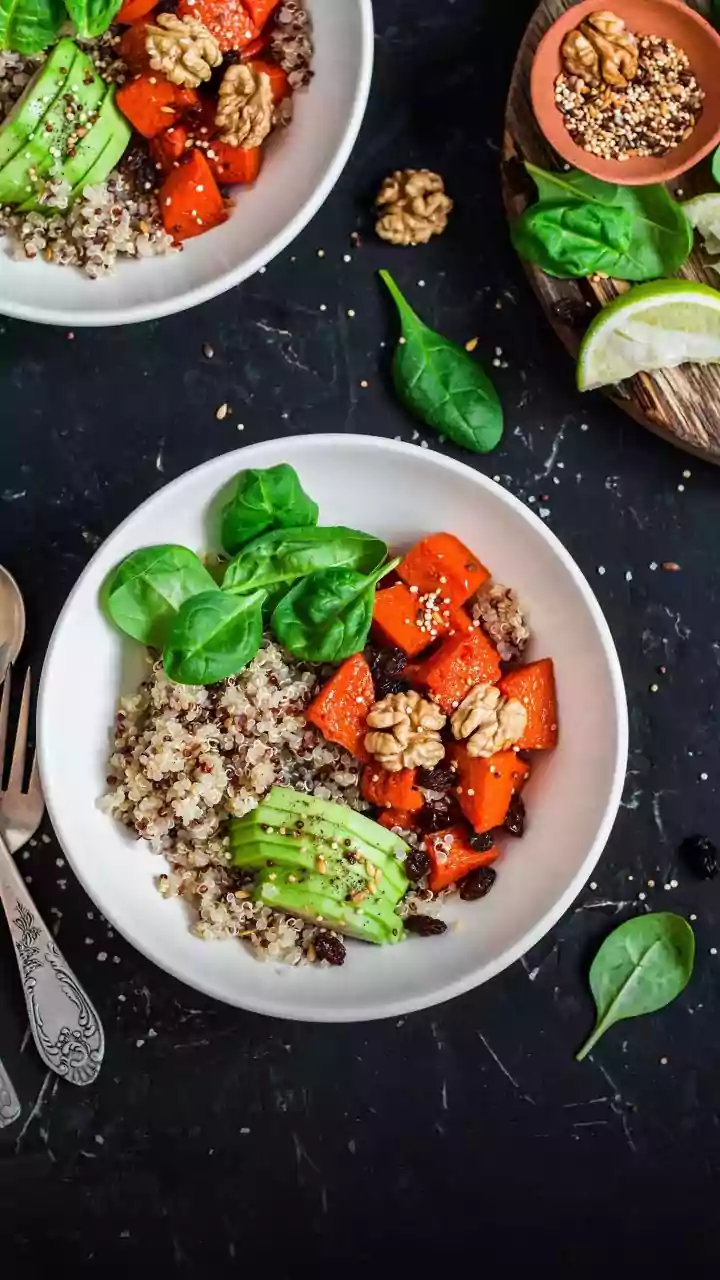
The verdict is overwhelmingly clear: a whole nashpati is far superior to pear juice for supporting healthy blood sugar levels. The fibre in the whole fruit is the hero, slowing sugar absorption, promoting a feeling of fullness, and providing benefits for gut health. Juicing strips away this key component, concentrating the sugar and turning a healthy snack into a drink that can rapidly increase blood glucose. For anyone managing their blood sugar, or simply aiming for a healthier diet, choosing the whole fruit is always the better option. To further slow sugar absorption, you can pair your sliced nashpati with a source of protein or healthy fat, like a small handful of almonds or walnuts.