


The Viral 'Okra Botox' Trend
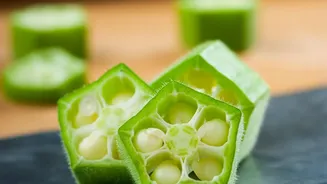
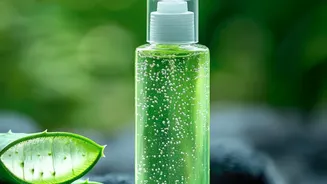
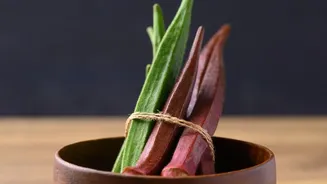
The trend involves boiling sliced okra pods, collecting the slippery gel-like substance that’s released, and applying it to the face as a mask. Influencers and DIY beauty enthusiasts claim this simple concoction can tighten skin, smooth fine lines, and provide
an effect similar to Botox. The visual is compelling—a natural, inexpensive hack promising fountain-of-youth results. The logic seems plausible on the surface; the gel, known as mucilage, is rich in vitamins and feels hydrating. This has led many to wonder if this kitchen staple is the secret to flawless skin.
What Exactly Is Mucilage?
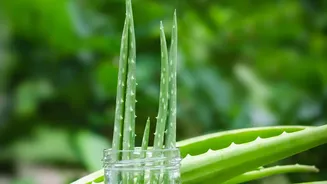
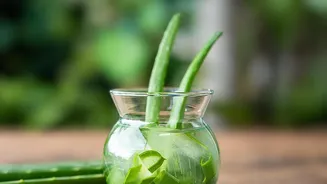
That signature 'slime' from okra is mucilage, a substance common in the plant world. It's a complex mix of polysaccharides (long chains of sugar molecules) and proteins. When mixed with water, these compounds form a viscous, gel-like fluid. Think of the similar textures found in aloe vera or chia seeds soaked in water. This substance is incredibly good at trapping water, which is a key reason it has gained attention. In okra, the mucilage is composed of molecules like D-galactose, L-rhamnose, and galacturonic acid, which give it its unique texture and properties.
A Star in Material Science and Pharma
Long before it became a skincare trend, okra mucilage was being studied for its impressive industrial and pharmaceutical applications. Its ability to act as a thickener, stabilizer, and emulsifier makes it highly valuable. Research has shown its potential in creating biodegradable food packaging and edible films, offering a sustainable alternative to plastics. In the pharmaceutical industry, it's explored as a natural binder in tablets and for creating controlled-release drug delivery systems. It has even been tested as a natural agent for water purification. These proven uses confirm that okra mucilage has powerful and versatile physical properties.
The Skincare Connection: Hype vs. Reality
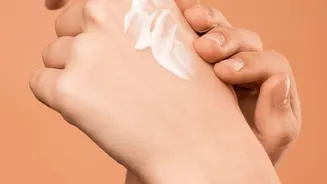
So, why the leap to cosmetics? The theory is that mucilage’s high water content and film-forming ability could hydrate the skin and temporarily fill in fine lines. Okra is also rich in antioxidants like vitamins A and C, which are known to fight free-radical damage and support collagen production. When you apply the gel, it forms a thin film that tightens slightly as it dries, creating a temporary smoothing effect. The hydration it provides can also plump up the skin, making wrinkles appear less prominent for a short time. This is the basis of the “okra Botox” claims. However, this effect is purely superficial and temporary.
What the Experts Say
This is where the reality check comes in. While dermatologists agree that an okra mask is likely harmless for most people and can provide temporary hydration, they caution against expecting Botox-like results. Botox works by relaxing facial muscles to prevent wrinkles from forming, something a topical gel cannot do. Dr. Rinky Kapoor, a consultant dermatologist, has noted that many online claims about natural ingredients lack scientific research and that the fibrous content of raw vegetables could potentially irritate sensitive or acne-prone skin. While some preliminary studies have looked into okra extract in anti-aging cream formulations, these are often combined with other ingredients and the evidence is still in its early stages. There is no robust scientific evidence to support the claim that okra can produce long-term changes in skin structure or reverse aging.