


Decode Your Light: Window Direction is Key
The single most important factor for a plant's success is light. Before you buy, take a moment to observe your windows. A simple assessment can tell you what kind of plants will thrive. North-facing windows offer the least light, making them suitable
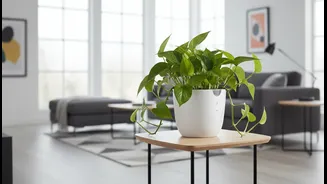
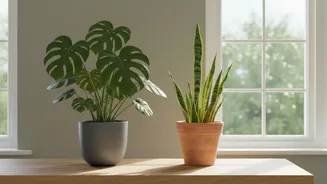
for plants that tolerate low-light conditions. These spaces are perfect for hardy plants like the Snake Plant, ZZ Plant, and Pothos (Money Plant), all of which are incredibly forgiving and popular in Indian homes. East-facing windows receive gentle morning sun, which is ideal for a wide variety of plants that prefer bright, indirect light, such as the elegant Peace Lily or colourful Aglaonema (Chinese Evergreen). South-facing windows get the most intense, direct sunlight throughout the day. This powerful light is best for sun-loving plants like succulents, Aloe Vera, and cacti that are adapted to arid conditions. Finally, west-facing windows get strong, hot afternoon sun. This can be too harsh for many tropicals but can work for robust plants like the Rubber Plant or Croton, perhaps with a sheer curtain to diffuse the intensity.
Match the Plant to Room Humidity
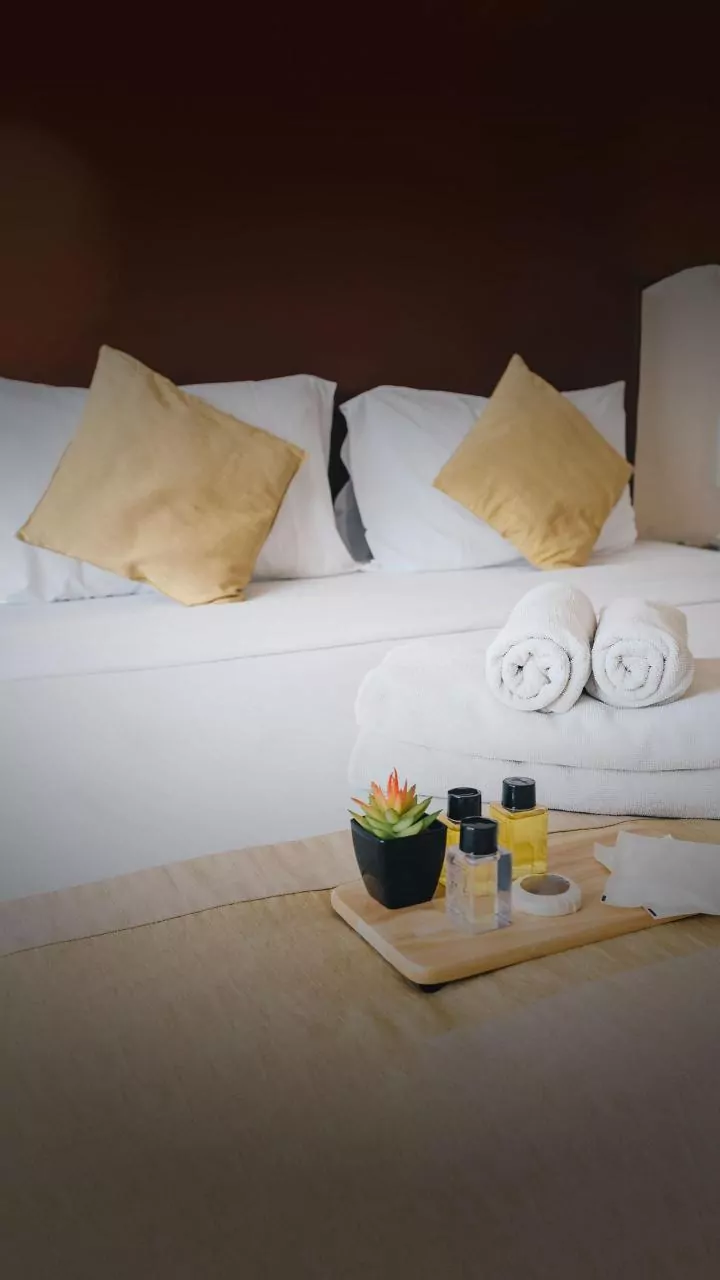
Humidity, or the amount of moisture in the air, varies significantly from room to room, and it's a crucial element for plant health. Bathrooms and kitchens are natural humidity hotspots. The steam from showers and cooking creates a moist environment that certain plants adore. This makes these rooms the perfect home for humidity-loving species like the Boston Fern and Peace Lily, which will flourish with lush foliage. On the other hand, rooms with heavy air conditioning tend to have very dry air. This can cause the leaves of tropical plants to develop brown, crispy tips. For these drier spaces, you need plants that are resilient to low humidity. Succulents, which store water in their fleshy leaves, are an excellent choice. Other fantastic options for air-conditioned rooms include the nearly indestructible Snake Plant and the ZZ Plant, both of which tolerate dry air with ease. Choosing a plant that matches your room's typical moisture level prevents a constant battle against its natural preferences.
Consider Your Available Space
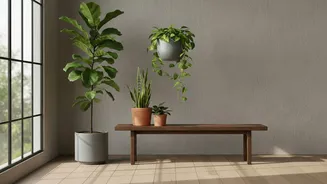
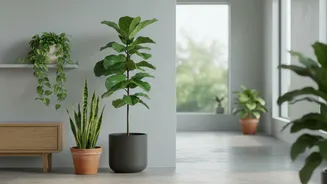
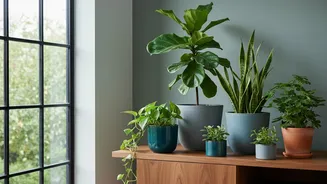
It's easy to fall in love with a giant Fiddle Leaf Fig at the nursery, only to realise it completely overwhelms your small living room. Thinking about space isn't just about floor area; it's about using vertical and surface space wisely. If floor space is limited, look up! Trailing plants are perfect for shelves, bookcases, or hanging baskets. A Pothos (Money Plant) or a Heartleaf Philodendron can cascade beautifully from a high shelf, adding greenery without taking up a footprint. These are famously easy to care for and adaptable to various light conditions. For empty corners or to make a statement, a tall, upright plant like an Areca Palm or a Snake Plant can add height and drama without a wide base. For smaller surfaces like desks, side tables, or windowsills, compact plants are ideal. A small Jade Plant, a collection of succulents, or a vibrant Peperomia can bring life to a small nook without creating clutter. By matching the plant's growth habit to your space, you create a balanced and harmonious look.