






A Lost City Whispering History
Imagine a once-thriving capital city, celebrated by the famous 7th-century traveller Xuanzang, that lay hidden for centuries. That city is Sirpur. Once the capital of the Panduvanshi and Somavamshi kings, this extensive site was a vibrant hub for Hindu,
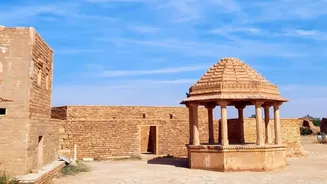
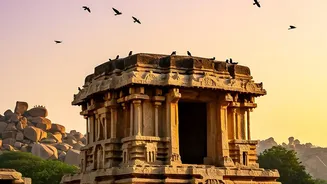
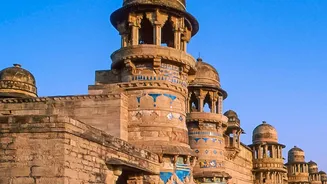
Buddhist, and Jain traditions between the 5th and 12th centuries. Its recent and ongoing excavations mean that it feels less like a polished tourist park and more like a live discovery. Unlike more famous historical circuits, Sirpur offers a profound sense of peace, allowing you to connect with its layered past without navigating hordes of visitors. The town was a major centre for religion, commerce, and art, and walking through its ruins feels like stepping into a forgotten era.
A Tapestry of Faiths in Brick and Stone
Sirpur's most iconic monument is the 7th-century Lakshmana (or Laxman) Temple, one of India’s best-preserved brick temples. Its intricate carvings depicting tales of Lord Vishnu and stunning structural detail have withstood the test of time. But the story doesn’t end there. Just a short walk away, you’ll find the remnants of sprawling Buddhist monasteries, known as viharas. The Anand Prabhu Kuti Vihara and the Swastik Vihara reveal a sophisticated monastic life, with meditation rooms, student cells, and striking statues of the Buddha. The presence of 22 Shiva temples, 5 Vishnu temples, 10 Buddhist viharas, and 3 Jain viharas found during excavations showcases a rare harmony between different faiths coexisting peacefully.
An Archaeologist's Dream Destination
First identified in 1882 by Alexander Cunningham, the father of Indian archaeology, major excavation work at Sirpur only gained momentum in the 21st century. This makes it a fascinating destination for anyone interested in the process of historical discovery. Archaeologists have unearthed not just temples and monasteries, but also an ancient marketplace, residential quarters, and a sophisticated bathhouse (snana-kund). The site has also yielded some of the finest bronze sculptures from the early medieval period, suggesting Sirpur was a major centre for artistry and craftsmanship, with potential links to other great sites like the Ellora Caves. For visitors, this means the landscape is dotted with mounds and active dig sites, hinting at the treasures still buried beneath the soil.
Beyond the Ruins: The Serene Setting
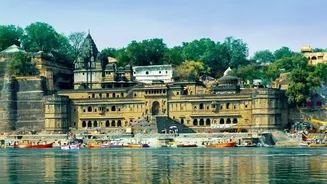
Part of Sirpur's charm lies in its tranquil location on the banks of the Mahanadi River. The serene riverfront provides a beautiful backdrop to the ancient structures, especially during sunrise and sunset. You can take a quiet walk along the river, imagining the bustling city that once stood here. The town is also known for the Sirpur National Dance and Music Festival, which is periodically organized by the Chhattisgarh Tourism Board to promote the site’s unique blend of culture and history. The surrounding countryside is dotted with small villages, offering a glimpse into modern rural life in the region.
Planning Your Trip to Sirpur
Sirpur is relatively easy to access. The nearest major city and airport is Raipur, the capital of Chhattisgarh, located about 80 kilometres away. From Raipur, you can hire a taxi for a comfortable journey that takes under two hours, or opt for regular bus services. The closest railway station is Mahasamund, about 30 km from Sirpur. The best time to visit is during the cooler, drier months, from October to March, when the weather is pleasant for exploring the sprawling site. A couple of days are ideal to soak in the atmosphere and see the main highlights without rushing. While accommodation options in Sirpur itself are basic, nearby Mahasamund and Raipur offer a wider range of hotels.