





The Two Faces of Cinnamon
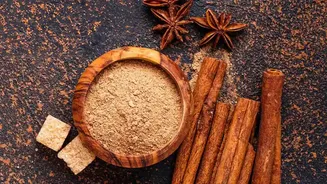
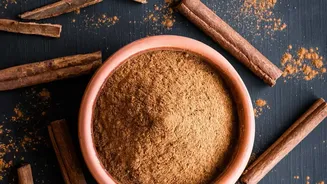
Most of us don't realise there are two main types of cinnamon sold globally. The one most commonly found in supermarkets and used in many supplements is Cassia cinnamon. It's affordable, with a strong, spicy flavour. The other is Ceylon cinnamon, often
called “true cinnamon.” It’s more expensive, lighter in colour, and has a milder, more delicate taste. This distinction is more than just a culinary detail; it’s central to understanding the risks associated with cinnamon supplements. While both come from the bark of Cinnamomum trees, their chemical makeup is significantly different.
The Hidden Concern: What is Coumarin?
The key difference between Cassia and Ceylon cinnamon lies in a compound called coumarin. While naturally present in many plants, coumarin can be harmful to the liver in high doses. Cassia cinnamon is a rich source of coumarin, containing up to 250 times more than Ceylon cinnamon, which has only trace amounts. This is where the danger lies. Sprinkling a little Cassia cinnamon on your food or in your tea is generally safe. However, consuming it in the highly concentrated amounts found in supplements can mean you ingest far more coumarin than is considered safe.
Supplement vs. Spice: A Question of Dose
A teaspoon of Cassia cinnamon powder can contain enough coumarin to exceed the tolerable daily intake for an adult, which European health authorities set at 0.1 milligrams per kilogram of body weight. Many cinnamon supplements, which can contain between 500 mg to over 1,000 mg of cinnamon powder per capsule, often use the cheaper Cassia variety. Taking one or two of these capsules daily could lead to a significant intake of coumarin, posing a risk of liver stress or damage, especially with long-term use. Some individuals are particularly sensitive and may experience adverse effects at lower doses.
Potential Risks of Overdoing It
The primary concern with high coumarin intake from Cassia cinnamon supplements is hepatotoxicity, or liver damage. Studies and case reports have linked excessive cinnamon consumption to elevated liver enzymes and, in some severe cases, liver injury. The risk is amplified for individuals with pre-existing liver conditions or those taking other medications that affect the liver, such as statins or even common painkillers like acetaminophen. Other potential side effects of taking too much Cassia cinnamon include mouth sores and interactions with medications for diabetes or heart disease, as cinnamon can sometimes enhance their effects.
How to Use Cinnamon Safely
Enjoying cinnamon as a spice in your daily cooking is perfectly healthy. For those interested in its potential health benefits, such as supporting blood sugar levels or its antioxidant properties, the key is making informed choices. If you are considering a cinnamon supplement, look for products that explicitly state they are made from Ceylon cinnamon to avoid high coumarin levels. Many brands that use Ceylon will highlight it on the label due to its superior safety profile. Reading labels carefully is non-negotiable. Don't assume a supplement is safe just because it's 'natural.' Water-soluble extracts are another option designed to deliver benefits with reduced coumarin exposure.