





Bengal's Most Inviting Travel Window
The period between October and March is widely considered the best time to explore West Bengal. The oppressive heat and humidity of summer give way to comfortable daytime temperatures and cool, pleasant evenings. This weather is ideal not only for navigating
Kolkata's bustling streets on foot but also for venturing into the Sundarbans. In the mangrove forests, the cooler, drier climate means more comfortable boat safaris and a higher likelihood of spotting wildlife, as animals often come out to sun themselves on the riverbanks. Clear skies and lower water levels make the entire region more accessible and enjoyable for travellers.
Kolkata's Clay Sculptors of Kumartuli
Your journey can begin in the heart of North Kolkata, in the narrow, winding lanes of Kumartuli. Famous as the potters' quarter, this neighbourhood is where thousands of divine idols are born from humble river clay. While the area is a hive of activity in the months leading up to Durga Puja (August-October), Kumartuli is a living museum of art year-round. Visiting during the cooler, post-festival season offers a more relaxed experience. You can wander through the workshops, watching artisans, known as 'Kumors', meticulously shape figures of various deities. The air is thick with the scent of damp clay and paint, and the studios are filled with the skeletal bamboo-and-straw frames that await their divine forms. It’s a chance to interact with artists who have inherited their craft through generations and witness a tradition recognised by UNESCO as part of humanity's Intangible Cultural Heritage.
The Journey into the Mangrove Kingdom
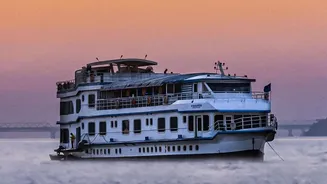
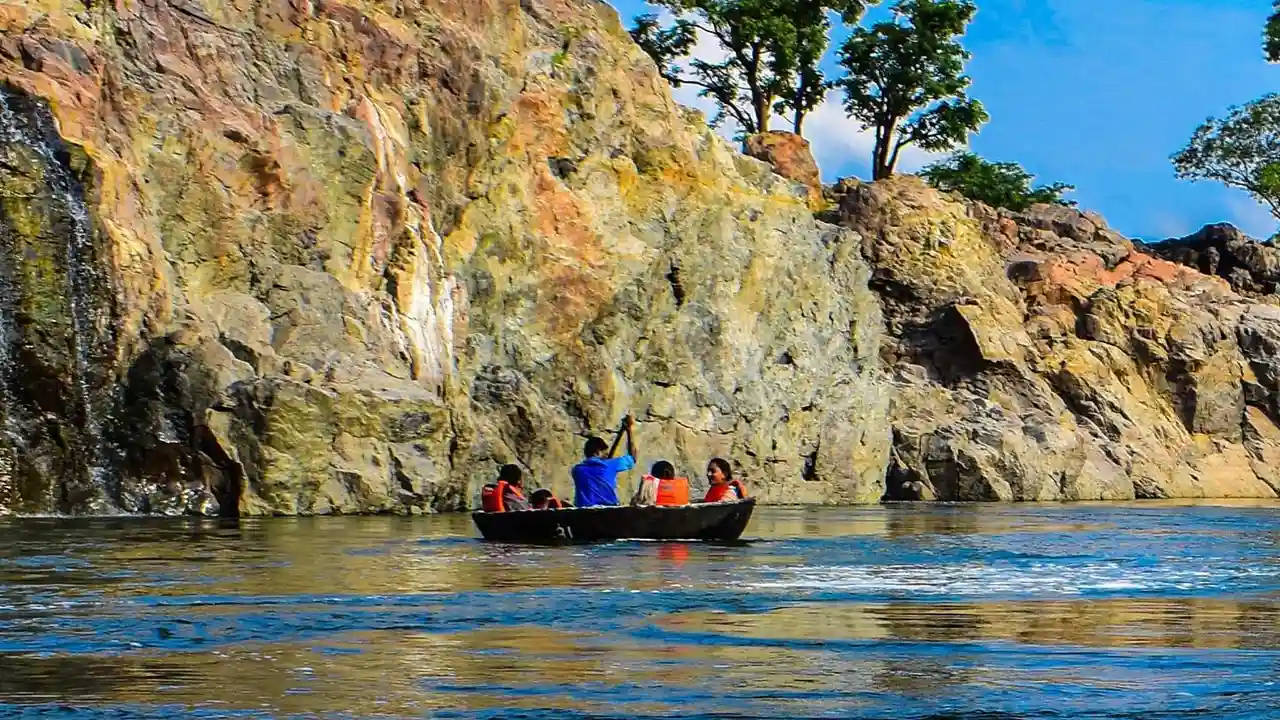
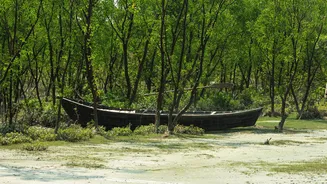
From the cultural density of Kolkata, the itinerary shifts to the natural expanse of the Sundarbans, the world's largest mangrove forest. The journey itself is a transition from urban to rural Bengal. Most trips begin with a road journey of about 3 to 4 hours from Kolkata to a jetty like Godkhali, often called the gateway to the Sundarbans. From there, you leave the land behind and board a motorboat, which becomes your base for exploration. As the boat chugs along the wide rivers and slips into narrower creeks, the scenery transforms into a dense, green maze of mangrove trees. Life here moves at the pace of the tides, and the rivers are the only highways.
Navigating the Wild on a Boat Safari
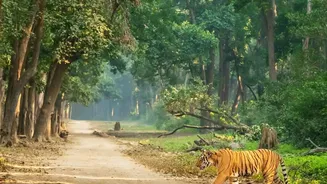
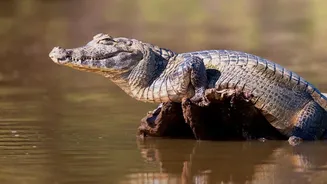
A Sundarbans tour is fundamentally a boat safari. These tours, which can range from a single day to a multi-night cruise, navigate through the buffer zones of the Sundarbans Tiger Reserve. While the Royal Bengal Tiger is the star attraction, these elusive swimmers are very difficult to spot. However, the forest is rich with other life. Keep your eyes peeled for saltwater crocodiles sunning on the muddy banks, herds of spotted deer grazing near the water's edge, and wild boars. The region is also a paradise for birdwatchers, with over 300 species recorded, including multiple types of kingfishers, herons, and white-bellied sea eagles. Tour boats typically stop at various watchtowers like Sajnekhali, Sudhanyakhali, and Dobanki, which offer panoramic views of the forest and opportunities to see wildlife at a safe distance.
Crafting Your Urban-Wild Itinerary
To comfortably experience both destinations, a 4 to 5-day trip is ideal. Dedicate two days to Kolkata, allowing you to explore Kumartuli and perhaps other nearby North Kolkata heritage sites like the Sovabazar Rajbari. For the Sundarbans, a 2-night, 3-day package is the most popular option, providing a comprehensive experience without being rushed. Numerous tour operators in Kolkata offer all-inclusive packages that cover transport from the city, boat safaris, permits, a guide, meals, and accommodation in eco-resorts or on houseboats. When booking, confirm that your package includes the necessary forest entry permits, which must be arranged in advance. Pack light layers, comfortable walking shoes for Kolkata, and binoculars and a camera for the Sundarbans.