






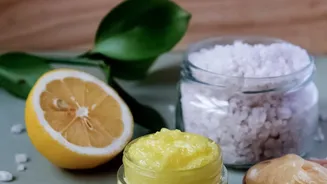
The Allure of Citrus in Skincare
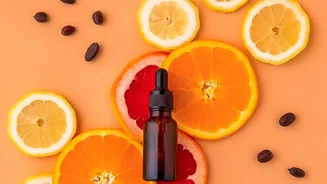
In the world of DIY beauty, citrus fruits like lemons and limes are often hailed as miracle ingredients. They are praised for their high Vitamin C content and natural alpha-hydroxy acids (AHAs), which are believed to lighten dark spots, exfoliate dead
skin, and fight acne. The internet is filled with recipes promising a brighter, clearer complexion with just a few drops of fresh juice. The logic seems simple: if Vitamin C serums are good for the skin, then the natural source must be even better. This 'kitchen chemistry' approach appeals to those looking for affordable and seemingly safe alternatives to store-bought products. The fresh scent and the idea of using something pure and unprocessed adds to the attraction, making it a go-to for many at-home facial treatments.
The Science of Irritation: pH and Phototoxicity
The two main reasons citrus is so problematic for skin are its extremely low pH and its phototoxic compounds. Healthy skin has a slightly acidic pH of around 5.5, which helps maintain its protective barrier. Lemon juice, however, has a pH of 2 to 3, making it 10,000 to 100,000 times more acidic than water. Applying such a strong acid directly to your face can disrupt your skin's natural balance, stripping its protective oils and leading to redness, dryness, and peeling. Furthermore, citrus fruits contain chemical compounds called furanocoumarins and psoralens. When these substances on your skin are exposed to UV light from the sun, they trigger a phototoxic reaction. This condition, medically known as phytophotodermatitis, can result in severe inflammation that resembles a chemical burn.
The Real Risks: From Redness to Chemical Burns
The side effects of using raw citrus on your face range from mild irritation to severe, long-lasting damage. Immediately after application, you might experience stinging, redness, and excessive dryness, especially if you have sensitive skin. The more serious danger arises with sun exposure. A phototoxic reaction (phytophotodermatitis) can cause painful, fluid-filled blisters and burn-like lesions within 24 to 48 hours. Ironically, many use lemon juice to fade dark spots, but this reaction often leads to post-inflammatory hyperpigmentation—dark patches that can take weeks or even months to fade. In some cases, it can cause chemical burns that permanently damage the skin's barrier, making it more vulnerable to environmental stressors and future irritation.
Not All Vitamin C Is Created Equal
It's a common misconception that the Vitamin C in a lemon is the same as what's in a professionally formulated serum. While lemons do contain Vitamin C, it's highly unstable and its concentration varies from fruit to fruit. You never know exactly how much acid you're applying. Skincare products, on the other hand, are developed in labs to have a specific, stable concentration of Vitamin C that is effective yet safe for the skin. These formulations are also created with a pH level that won't destroy your skin's protective barrier. They often include other ingredients that soothe the skin and enhance the stability and absorption of the Vitamin C. Using raw lemon juice bypasses all of this crucial science, exposing your skin to unpredictable and harsh acidic levels without any of the protective benefits of a proper formulation.
Safer DIY Alternatives for Glowing Skin
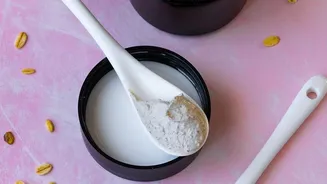
If you love making your own face masks, there are many gentle and effective ingredients you can use instead of citrus. For brightening and gentle exfoliation, consider plain yogurt, which contains lactic acid. Pumpkin purée is another great option, as it is rich in alpha-hydroxy acids and vitamins. For soothing and hydrating properties, raw honey, oatmeal, and aloe vera are excellent choices. Honey is a natural humectant with antibacterial properties, while oatmeal is known for calming inflammation and irritation. Avocado, rich in nourishing oils and vitamins, is perfect for moisturising dry skin. These ingredients provide visible benefits without the harsh, unpredictable risks associated with applying raw citrus directly to your face.