




Why Add More Protein?
A standard slice of cheese pizza contains a respectable 10-12 grams of protein, mostly from the cheese and flour. Upping that amount, however, turns your pizza from a simple treat into a more functional meal. Protein is essential for muscle repair, making
a high-protein pizza an excellent post-workout option. It also increases satiety, that feeling of fullness and satisfaction, which can help prevent overeating. A protein-heavier meal helps to better balance carbohydrates, providing more sustained energy and leaving you feeling fueled instead of sluggish.
The Foundation: Reinventing The Crust
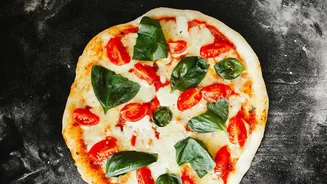
The crust is your first and best opportunity to pack in extra protein. Several modern approaches have made this surprisingly simple and delicious. One popular method involves making a dough with plain Greek yogurt and self-rising flour. The yogurt not only adds a significant protein boost but also results in a soft, chewy crust. For an even bigger protein punch, many recipes now use blended cottage cheese as a base, mixed with flour and baking powder. When blended until smooth, cottage cheese creates a sturdy, non-soggy crust that holds toppings well. Another option is to incorporate unflavored protein powder—such as pea, whey, or casein—directly into your flour mixture. You can even create entirely flourless crusts using ingredients like ground chicken mixed with egg and parmesan, which is a popular low-carb and high-protein alternative.
Smarter Sauces and Toppings
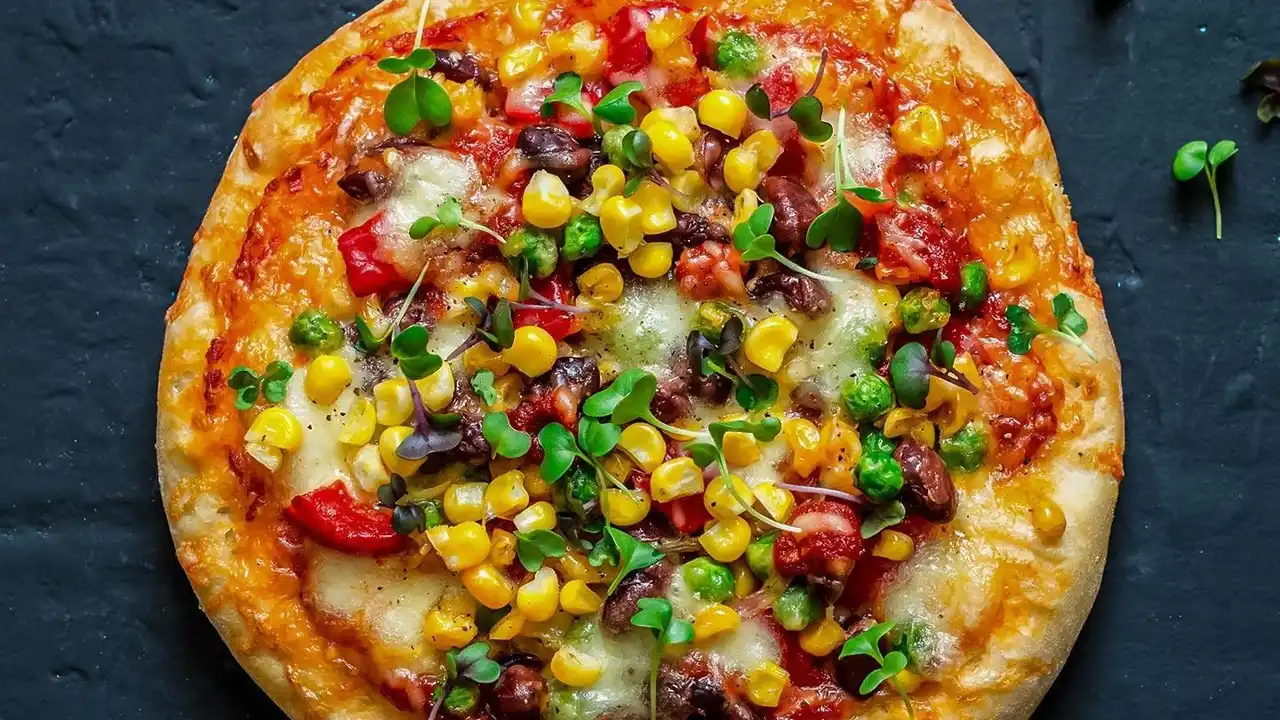
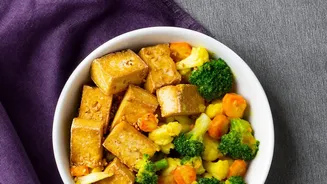
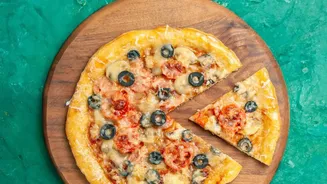
The innovation doesn't stop at the crust. Your sauce choice can also contribute to the overall protein count. Instead of a traditional tomato-only sauce, consider a creamy white pizza base made by blending cottage cheese with herbs and garlic. This creates a rich, savory layer that is significantly higher in protein than standard marinara. For toppings, think beyond processed meats. Lean proteins like grilled chicken breast, turkey sausage, or even a cracked egg can elevate your pizza. Plant-based options are also fantastic; toppings like crumbled tofu or tempeh, chickpeas, lentils, and plant-based sausage crumbles add both protein and texture. Even your choice of cheese can make a difference. While mozzarella is a classic, mixing in cheeses like parmesan or using part-skim mozzarella can optimize the protein content.
Tips for Success
Working with these alternative doughs requires a few adjustments. Dough made with yogurt or cottage cheese can be stickier than traditional recipes, so it's helpful to work on a well-floured surface or between two sheets of parchment paper. Many of these high-protein crusts benefit from a 'blind bake'—baking the crust on its own for 8-10 minutes before adding sauce and toppings. This step is crucial for preventing a soggy bottom and ensuring the center cooks through. When it comes to toppings, especially vegetables with high water content like fresh mushrooms or zucchini, it's a good idea to give them a quick sauté before adding them to the pizza. This removes excess moisture and concentrates their flavor, ensuring your masterpiece has the perfect texture.