





The Core Difference: Stability vs. Instability
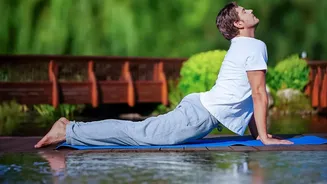
The fundamental difference between these two practices lies in how you interact with the water. Aqua yoga is typically performed in a pool where your body is submerged. The water's natural buoyancy supports your weight, reducing pressure and impact on
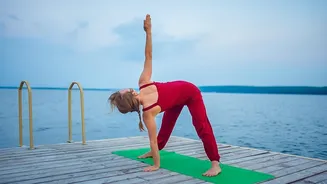
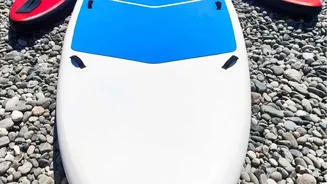
your joints. This supportive environment makes challenging land-based poses more accessible and allows for a greater range of motion without the fear of falling. In contrast, stand-up paddleboard yoga places you on top of the water. The board itself is an unstable platform, meaning your body must constantly make micro-adjustments to maintain balance. Every ripple, every shift in weight, and every breath introduces a new stability challenge that simply doesn't exist when you're supported by the water itself.
Muscle Engagement: Gentle Resistance vs. Reactive Strength
The way your muscles work in each activity is also distinct. In aqua yoga, the water provides 360-degree resistance. As you move through a pose, your muscles work against this gentle pressure, leading to toning and strengthening without the strain of high-impact exercise. It’s a consistent, fluid form of resistance that builds endurance and control. Paddleboarding demands a different kind of strength. Your primary effort goes into stabilization. To keep from falling, you must perpetually engage your core, including deep abdominal muscles and obliques. Additionally, your legs, from your glutes and quads down to the small muscles in your ankles and feet, are constantly firing to grip the board and counteract its movement. This builds reactive strength and incredible proprioception—your body's awareness of its position in space.
The Question of Balance
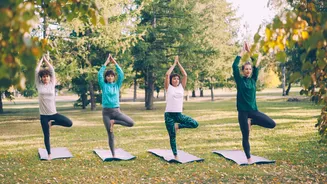
While both practices enhance balance, they do so in opposite ways. Aqua yoga improves balance by providing a safe, supportive space to explore your limits. The water slows you down, forcing more mindful movements and helping you build stability from a foundation of support. It is ideal for those new to yoga or recovering from an injury, as the consequences of losing balance are minimal. SUP yoga, on the other hand, actively challenges your balance from the moment you step on the board. It forces a state of heightened awareness, as any lapse in focus could send you into the water. This environment is less about gentle exploration and more about dynamic, responsive control. It sharpens your focus and trains your body to react swiftly to an ever-changing surface, which translates to better balance in all other physical activities.
Mindfulness and Mental Focus
The mental game also differs. Aqua yoga often fosters a more therapeutic and relaxing mental state. The feeling of being held by the water, combined with its gentle resistance, can be deeply calming and help relieve stress. It allows for a meditative practice where the mind can quiet down. SUP yoga demands a sharper, more intense kind of mindfulness. You cannot let your mind wander; you must remain present and connected to your body's every move to stay balanced. While also stress-relieving due to the connection with nature, the focus is less on relaxation and more on concentration. For many, the thrill of this challenge and the blissful Savasana (Corpse Pose) floating under the open sky is a unique reward.