


Why Grouping Works Wonders
A single plant pot can sometimes feel small and isolated in a room. When you group several pots, you create a single, more substantial focal point. This intentional arrangement tells a story, making the collection feel like a curated display rather than
a random assortment of plants. The collective visual weight draws the eye, turning a simple corner or tabletop into a lush feature. This approach moves beyond just keeping plants alive and enters the realm of interior styling, where your greenery becomes an active participant in your home's decor. It’s about creating a 'plant moment' that feels both abundant and thoughtfully designed.
Create Unity with a Theme
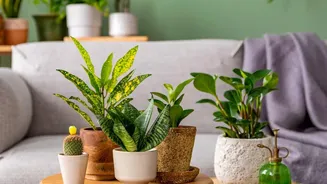
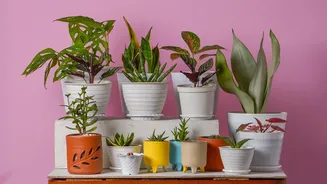
The first step to a successful grouping is establishing a common thread. The easiest way to do this is by choosing ceramic pots that share a characteristic. This could be a consistent colour, such as an array of pots in different shades of white, grey, or terracotta. Alternatively, you could focus on material and finish, like grouping several pots with a glossy glaze or a rustic, matte texture. This repetition creates a sense of rhythm and harmony, making the collection feel cohesive even if the individual pot shapes and plant types vary. This underlying unity is what prevents the arrangement from looking cluttered.
Introduce Variety in Shape and Scale
Once you have your unifying theme, the next step is to introduce variety. A display of pots that are all the same size and shape can look monotonous. Instead, mix it up. Combine tall, slender pots with low, wide bowls. Pair cylindrical shapes with more rounded or sculptural ones. This variation adds visual interest and creates a more dynamic, natural-looking composition. The interplay of different forms keeps the eye moving through the display. The same principle applies to the plants themselves—combine tall, architectural plants with soft, trailing ones to create layers of texture and height.
Harness the Rule of Odd Numbers
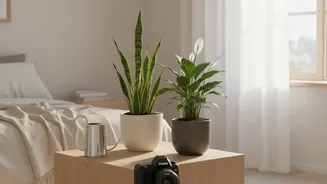
A well-known principle in interior design is the 'rule of three,' which suggests that items arranged in odd numbers are more appealing and dynamic to the human eye. An even number of items can feel static and formal, while an odd number creates a sense of movement and balance. When grouping your ceramic pots, aim for clusters of three or five. This encourages the eye to move around the arrangement, taking in each element. A group of three pots of varying heights often forms a pleasing triangular shape, which is a foundational concept in visual composition. This simple rule is one of the easiest ways to make your plant styling look professional and intentional.
Play with Different Heights
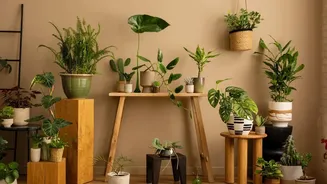
A flat display can lack impact. To create a truly stunning arrangement, play with different elevations. You don’t need to buy a dozen different-sized pots to achieve this. Use what you have to create levels. Place some pots on a stack of books, a small wooden stool, or a decorative box. You can also use dedicated plant stands of varying heights to elevate certain plants and create a cascading effect. This vertical layering adds depth and dimension, making the grouping feel more like a small, curated garden. It ensures that each plant has its moment to shine while contributing to a richer, more complex overall look.