




The lights have dimmed and the guests have gone, but the effects of Diwali's delicious feasts may linger. After days of enjoying sweets and fried snacks, feeling sluggish is common. Here is a cardiologist's guide to gently resetting your system.
Why Your Body Needs a Reset
Indulging
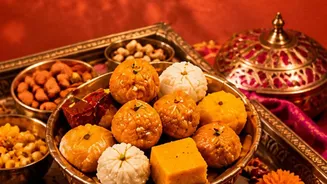
in festive foods is part of the celebration, but it can take a toll. Cardiologists note that meals rich in sugar, salt, and unhealthy fats can affect blood pressure, blood sugar, and cholesterol levels. Consuming an excess of sweets can lead to blood sugar spikes, while fried foods and snacks high in salt can cause water retention, bloating, and place extra strain on the heart. The goal isn't to feel guilty, but to understand that a brief period of mindful eating can help your body return to its natural balance and protect your long-term heart health.
Hydrate to Feel Great
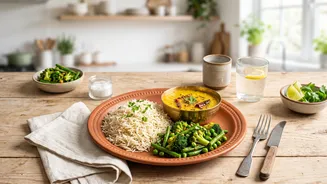
One of the simplest yet most effective first steps is to rehydrate. After consuming salty and sugary foods, your body can become dehydrated. Start your day with a glass of warm water, perhaps with a squeeze of lemon, to help kickstart your digestive system. Throughout the day, continue to sip on water, herbal teas like ginger or mint, or coconut water. Proper hydration helps flush out excess sodium, reduces bloating, and supports your kidneys and liver in their natural detoxification processes. Aim for at least 6-8 glasses of water daily.
Prioritise Fibre and Fresh Foods
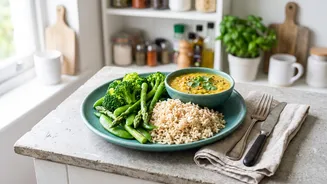
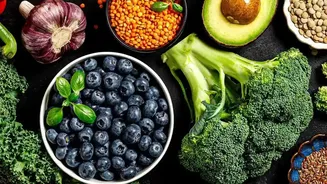
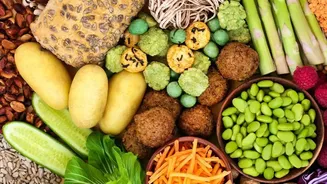
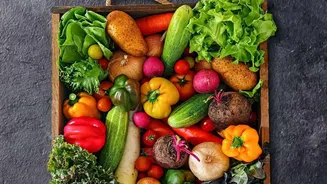
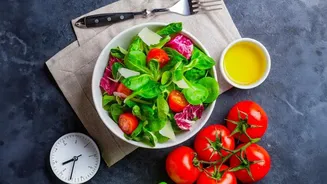
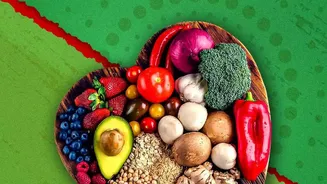
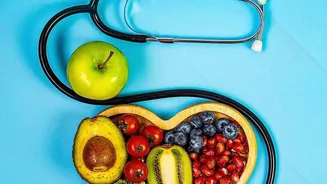
Give your digestive system a break from heavy, processed foods by focusing on fibre. Incorporate plenty of fresh fruits and vegetables into your meals. These foods are not only rich in essential vitamins and antioxidants but also provide the dietary fibre needed to regulate digestion and prevent constipation. Simple, light meals like vegetable khichdi, dal with brown rice, or a hearty salad can be both nourishing and easy on the stomach. Filling half your plate with vegetables is a great rule of thumb to follow as you get back into your routine.
Choose Lean Proteins and Healthy Fats
Instead of rich, creamy curries and fried snacks, turn to leaner protein sources. Plant-based proteins like dal, chickpeas, and paneer are excellent choices. If you eat non-vegetarian food, opt for grilled chicken or fish instead of fried preparations. These proteins help you feel full and satisfied, reducing the urge to snack on leftover sweets. Additionally, include sources of healthy fats like nuts, seeds, and avocados. Using cooking oils like olive or canola oil instead of ghee or butter can also support better cholesterol levels.
Your taste buds may have become accustomed to higher levels of salt and sugar during the festival. It’s important to consciously cut back. Avoid packaged and processed foods, which are often high in hidden sodium. To flavour your food, use herbs and spices instead of extra salt. When a sugar craving hits, reach for a piece of fruit like an apple or guava instead of a mithai. This transition will help reset your palate and reduce the strain that excess sugar and salt place on your cardiovascular system.
You don't need to jump into an intense workout routine to compensate for festive eating. In fact, gentle movement can be more beneficial. A 20-30 minute walk, especially after meals, can aid digestion and help manage blood sugar levels. Light activities like walking or yoga improve circulation and help reduce the sluggish feeling that often follows overindulgence. The focus should be on re-establishing a consistent activity routine, not punishing your body.
Late-night celebrations can disrupt your sleep schedule, which has a direct impact on your health and food choices. Lack of sleep can increase stress hormones and affect appetite-regulating hormones, making you crave more unhealthy foods. Prioritise getting 7-9 hours of quality sleep per night to allow your body to rest and repair. Try to go to bed and wake up at the same time each day to restore your body’s natural rhythm.