




The Lure of the Quick Fix
Walk into any garden centre, and you'll likely find products labelled as compost activators, accelerators, or starters. These are usually powders or liquids that promise to jump-start or speed up the decomposition process in your compost bin. They typically
contain a concentrated source of either nitrogen (like blood meal) or a cocktail of microbes (bacteria and fungi). The idea is that adding them to a slow-moving pile will give it the boost it needs. The question is, are they necessary? While they aren't a scam, they often address a symptom rather than the root cause of a sluggish compost pile. In most cases, if a pile isn't working, it's not because it's missing a special ingredient you have to buy; it's because one of the core environmental conditions is off.
The Real Engine: Carbon and Nitrogen
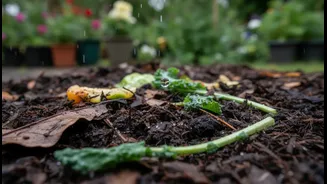
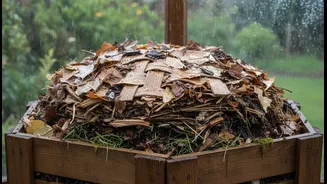
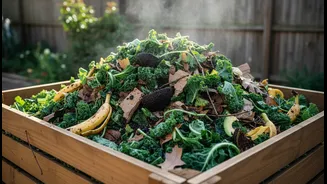
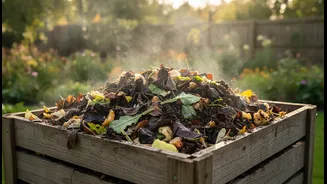
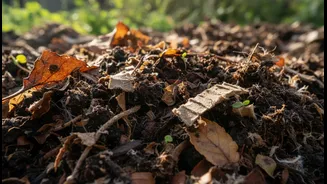
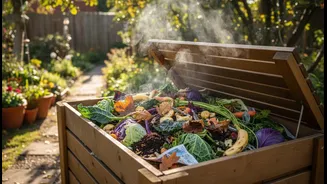
The single most important factor for a hot, active compost pile is the balance of carbon to nitrogen (C:N ratio). The microorganisms that break down organic waste need both for energy and reproduction. The ideal ratio is around 25 to 30 parts carbon to 1 part nitrogen. Think of it as a recipe. Carbon-rich materials are the 'browns'—dried leaves, cardboard, straw, and small twigs. Nitrogen-rich materials are the 'greens'—kitchen scraps, fresh grass clippings, and coffee grounds. A common mistake is adding equal amounts of each. Because browns are so much higher in carbon, you actually need more of them by volume—typically about two to three parts browns for every one part greens. If your pile has too much carbon, it will be cold and slow. If it has too much nitrogen, it will get slimy and smell of ammonia because the excess nitrogen is released as gas. Before buying an activator, simply try adjusting your ratio of browns and greens. It's the most effective 'activator' there is, and it's completely free.
Let It Breathe: The Power of Aeration
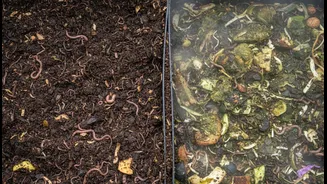
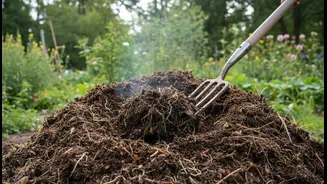
Composting is an aerobic process, meaning the most efficient decomposer microbes require oxygen to thrive. Without enough air, the pile becomes anaerobic. This not only slows decomposition by up to 90 percent but also invites a different set of microbes that produce foul odours, like the smell of rotten eggs. If your compost is slimy, dense, and smells sour, the problem is a lack of air, not a lack of activator. An activator won't fix this; in fact, a nitrogen-based one could make the smell worse. The solution is simple: get air into the pile. This is done by 'turning' your compost. Use a garden fork or a specialised compost aerator to mix the contents, bringing the dense, wet material from the centre to the outside and incorporating oxygen throughout. Doing this every week or two prevents compaction, reduces odours, and ensures the aerobic microbes have the oxygen they need to work quickly.
Perfectly Moist: The Role of Drainage
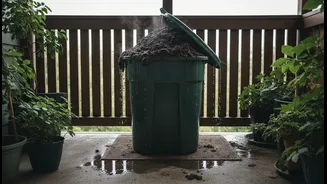
The final piece of the puzzle is moisture. The microorganisms in your pile need water to function, but not so much that it drives out all the air. The ideal compost pile should feel like a wrung-out sponge. If it's too dry, the decomposition process will grind to a halt. If it's too wet, the air pockets will fill with water, leading to the same smelly, anaerobic conditions caused by compaction. A pile that is too wet or soggy is a sign of poor drainage. Adding an activator will do nothing to solve this. The fix is to add more dry, brown materials like shredded cardboard or dried leaves to soak up the excess moisture and to turn the pile to help it dry out. Ensuring your compost bin has drainage holes and is not sitting in a puddle of water is also crucial for maintaining this Goldilocks balance of moisture.
So, When Are Activators Useful?
Compost activators can be useful in very specific situations. If you have built a pile that you know is extremely heavy on carbon (for example, a huge mound of dry autumn leaves with no green material available), a nitrogen-rich activator can help balance the C:N ratio and get things started. Similarly, if you want to kick-start a brand-new pile in a sterile plastic bin, a microbial inoculant can introduce the necessary bacteria and fungi. However, even then, a handful of finished compost or good garden soil will do the exact same job for free, as these materials are already teeming with the right microbes. Ultimately, activators are a secondary tool. They cannot fix a pile that is too wet, too dry, or starved of oxygen. They are a supplement, not a substitute for good management.