






The Core of the Agreement
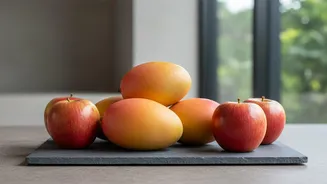
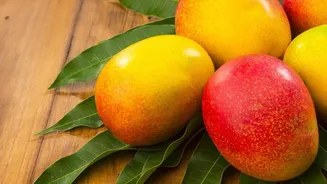
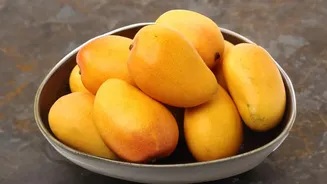
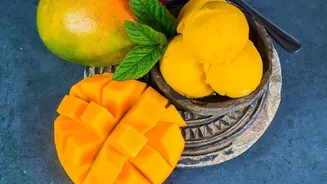
At the heart of this diplomatic success is a '2 Vs 2' deal, a reciprocal arrangement granting market access to key agricultural products from both nations. For India, this translates into renewed access for its world-famous mangoes and pomegranates to the United
States market. This breakthrough resolves long-standing barriers that had hampered exports, particularly for mangoes, for the past several years. The agreement specifically facilitates exports of fresh mangoes and pomegranates, as well as pomegranate arils, creating a significant opportunity for Indian farmers and exporters to tap into American consumer demand. It represents a tangible outcome of persistent dialogue aimed at resolving complex trade issues.
The Tough Road to Resolution
This victory did not come easily. It is the result of years of tough negotiations and the resolution of several contentious disputes at the World Trade Organization (WTO). In a major step, India and the US agreed to terminate six outstanding WTO disputes, three initiated by each country. These disputes covered a wide range of issues, from US measures on steel and aluminum to Indian export-related programs and duties on American products. The negotiations were part of the broader U.S.-India Trade Policy Forum (TPF), a platform designed to resolve such bilateral trade and investment issues. The breakthrough was finally announced following high-level meetings between leaders from both countries, underscoring a mutual commitment to deepen economic ties.
What the US Gains in Return
Trade negotiations are inherently a matter of give and take. In exchange for access for Indian mangoes and pomegranates, India agreed to open its market to several American agricultural products. This includes cherries, alfalfa hay, and, significantly, US pork and pork products. The agreement on pork access marked the end of a nearly two-decade-long effort by the US to enter the Indian market. Furthermore, as part of the broader dispute settlements, India agreed to remove retaliatory tariffs it had placed on a variety of American goods, including chickpeas, lentils, almonds, walnuts, and apples. This balanced approach ensures that farmers and producers in both countries stand to benefit from the enhanced trade relationship.
A Boost for Indian Farmers
For the Indian agricultural sector, this agreement is more than just a diplomatic win; it is a significant economic opportunity. Gaining access to the large and affluent US market provides a premium outlet for high-quality Indian produce. Farmers in the mango and pomegranate belts of India can now look forward to potentially higher returns and a more diversified market for their crops. The deal is structured to ensure that Indian products meet US phytosanitary standards, with a joint protocol on irradiation for mangoes, ensuring quality and safety. This not only opens a crucial export channel but also enhances the global reputation of Indian agricultural products, paving the way for further market access opportunities in the future.
The Bigger Picture for US-India Trade
This agricultural deal is a key component of a much larger strategic and economic partnership between the world's oldest and largest democracies. The resolution of multiple WTO disputes signals a shift towards cooperation and mutual problem-solving, moving away from a more confrontational stance. The United States was India's largest trading partner in the 2022-23 fiscal year, with bilateral trade reaching over $128 billion. Agreements like this are crucial for strengthening that relationship. While complex issues remain, this success in the agricultural sphere serves as a powerful symbol of what can be achieved through focused diplomacy, opening a new chapter of cooperation that promises to deepen and diversify the trade relationship for years to come.