




Passenger EVs Nearly Double
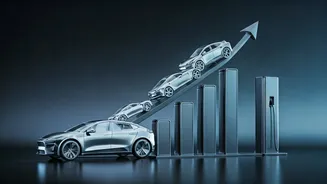
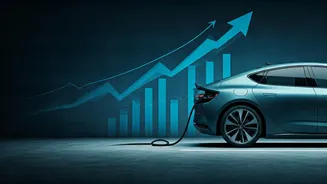
The most significant indicator of the accelerating shift comes from the passenger vehicle segment. According to data from the government's Vahan portal, retail registrations for electric passenger vehicles surged to 82,737 units in the April to June 2026
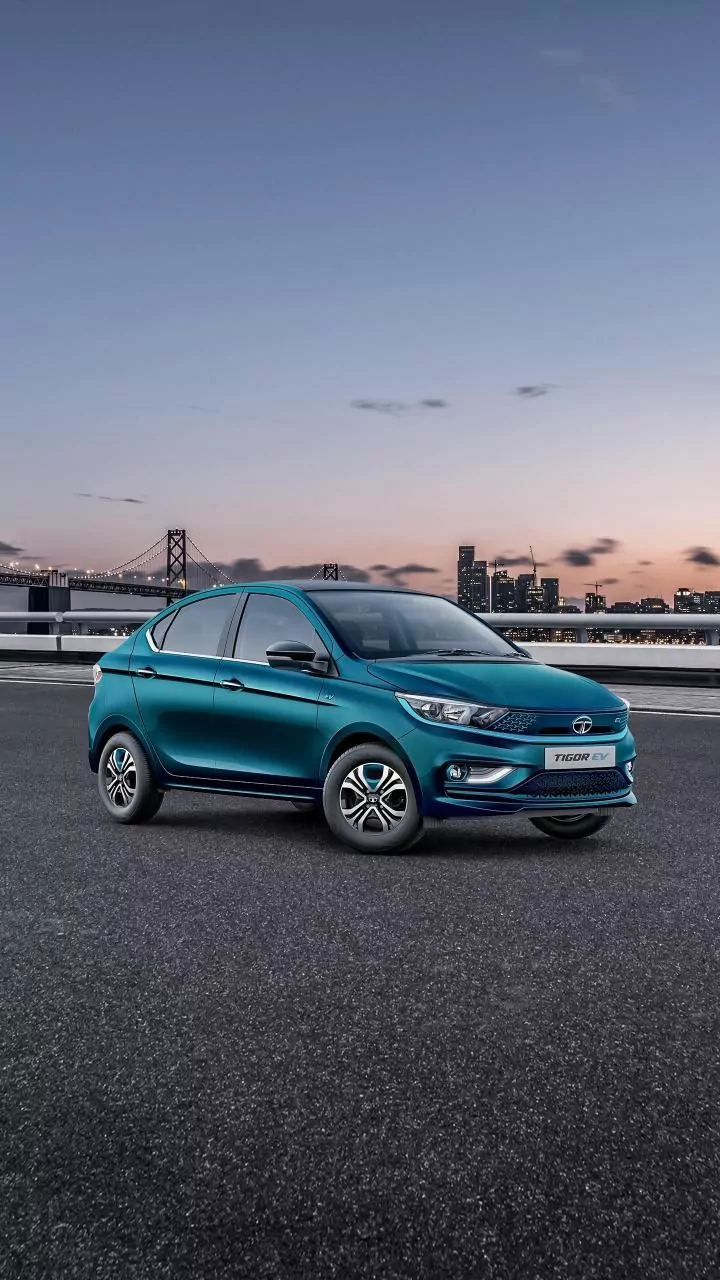
quarter. This represents a staggering 89.3% increase compared to the 43,710 units sold in the same period last year. The growth wasn't just a single-month spike; it was a sustained trend, with registrations climbing steadily from around 25,000 in April to over 30,000 in June, the first time this monthly milestone has been crossed. Market leader Tata Motors more than doubled its EV registrations to 32,283 units for the quarter, strengthening its market share to 39%. However, the competition is intensifying. Mahindra & Mahindra solidified its second-place position, nearly doubling its numbers to 20,112 units. The quarter also saw new players make a significant impact, with Maruti Suzuki registering 4,894 units of its first electric model and Vietnamese newcomer VinFast recording 3,973 registrations.
Two-Wheelers Drive the Volume
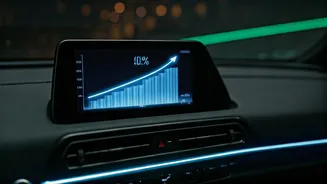
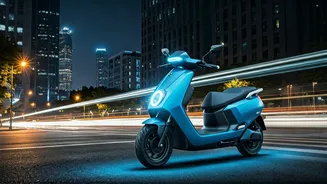
While electric cars grab headlines, the real volume in India's EV story is driven by two-wheelers. The first quarter of FY27 was a landmark period for this segment, with registrations crossing the half-million mark for the first time. A record 523,548 electric two-wheelers were registered, a 68% year-on-year growth. This surge pushed the market penetration of electric models to over 10% of the total two-wheeler market in June, a crucial psychological and commercial milestone. The market remains fiercely competitive. TVS Motor maintained its lead in June, with Bajaj Auto closing the gap in a strong second position. Together, these two legacy giants accounted for nearly half of all electric two-wheelers sold. Ather Energy and Hero MotoCorp's Vida brand also posted strong numbers, indicating a dynamic market where both established players and new-age startups are vying for customer attention. This growth is propelled by volatile petrol prices and a growing consumer awareness of the lower running costs associated with electric scooters.
What's Fuelling the Surge?
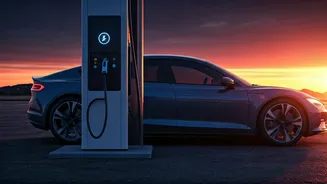
Several factors are converging to create this tipping point. Firstly, government policy, through schemes like FAME (Faster Adoption and Manufacturing of Electric Vehicles), continues to provide crucial demand-side incentives that lower the upfront cost for buyers. State-level policies, such as Delhi's newly notified EV Policy 2026, add another layer of support with road tax waivers and purchase incentives. Secondly, the market is finally maturing with a wider array of products. The recent launch of the Tata Sierra EV and Maruti's entry into the space signal that manufacturers are serious about bringing compelling and diverse options to consumers. With at least 26 new electric models expected to launch in India between 2026 and 2028, range anxiety and feature compromises are becoming things of the past. Finally, a slow but steady expansion of the charging infrastructure is helping to build consumer confidence, addressing one of the biggest historical barriers to adoption.
The Roadblocks Ahead
Despite the impressive growth, the path to a fully electric fleet is not without its challenges. The high initial purchase price of EVs, even with subsidies, remains a significant hurdle for a large portion of Indian consumers when compared to their internal combustion engine (ICE) counterparts. The charging infrastructure, while growing, is far from adequate, especially in smaller cities and on highways, which remains a key concern for potential buyers. Furthermore, the Indian power grid's ability to handle the increased load from millions of EVs is a long-term challenge that requires substantial investment and planning. Battery manufacturing is another critical area. While India is pushing for domestic production, reliance on imported cells and components continues to expose the market to supply chain vulnerabilities and price fluctuations. Overcoming these hurdles will be crucial to sustaining the momentum seen in this quarter.