

The Wild Westfjords
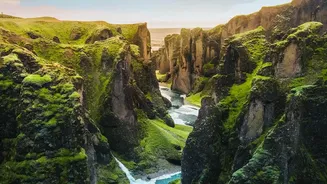
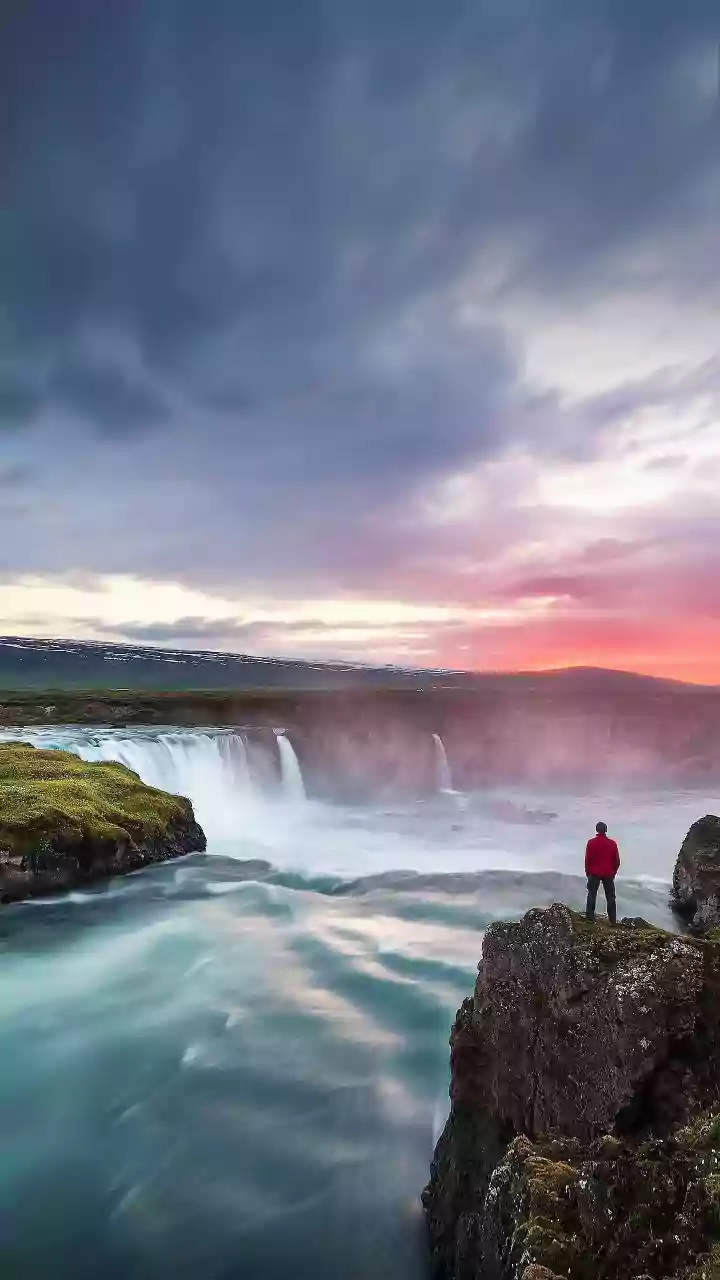
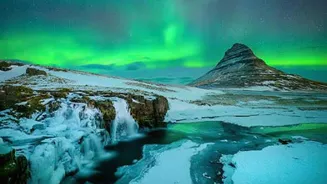
This massive peninsula in Iceland's northwest is the classic example of trading convenience for solitude. Only about 10% of tourists venture here, deterred by the long, winding roads that trace the edges of dramatic fjords. But the reward is immense.
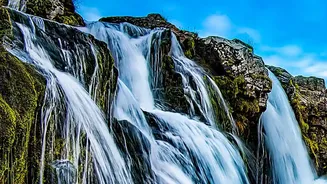
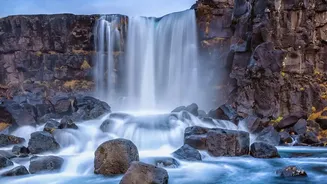
The journey itself is a key part of the experience, with each turn revealing steep mountains plunging into the sea. The region's top sights, like the thunderous, multi-tiered Dynjandi waterfall and the Látrabjarg cliffs—one of Europe's largest bird cliffs, teeming with puffins in the summer—require patience to reach. Plan for at least three to four days, as what looks like a short distance on the map is a significant drive. This is slow travel at its best, where the near-empty roads and raw, untouched landscapes feel like a discovery.
The Serene Eastfjords
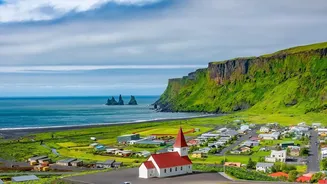
While the Ring Road clips the edge of the Eastfjords, many travelers rush through. Taking the time to explore the deep, quiet fjords reveals a different side of Iceland. This region is characterized by tranquil fishing villages, dramatic coastal drives, and a sense of remoteness. Towns like Seyðisfjörður, known for its arts scene and colorful houses, are reached via a stunning mountain pass. Further exploration can lead you to places like Borgarfjörður Eystri, a haven for puffin watching without the crowds of the south coast, or to the countless lesser-known waterfalls and hiking trails that dot the landscape. The drives are long but incredibly scenic, offering a peaceful alternative to the busier parts of the country and a chance to support smaller, family-run tourism businesses.
Tröllaskagi Peninsula's Arctic Coast Way
Situated in North Iceland between the popular towns of Akureyri and the Snæfellsnes Peninsula, the Tröllaskagi Peninsula (Troll Peninsula) is often bypassed. But driving its coastal route, part of the official Arctic Coast Way, is a spectacular journey. This road hugs the coastline, weaving through mountains and offering breathtaking views of the North Atlantic. The peninsula is home to charming fishing villages like Siglufjörður, once the herring capital of Iceland and now a beautifully preserved town with excellent museums. The drives here involve tunnels and mountain passes that can be challenging but deliver you to some of the country's most powerful and uncrowded landscapes. It’s an ideal detour for those exploring the north who want to experience a more rugged and authentic coastal Iceland.
The Strandir Coast
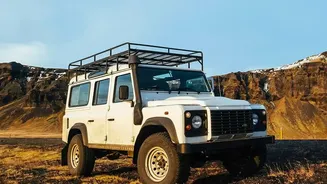
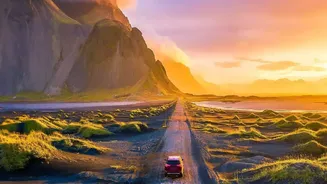
For those who find even the Westfjords too mainstream, there is the Strandir Coast. This is the eastern spine of the Westfjords, a stretch of road that is truly one of the most remote in the country. Starting from Hólmavík, the road becomes progressively rougher as it heads north, passing by driftwood-strewn beaches, abandoned herring factories, and tiny hamlets. This drive is not about reaching a single blockbuster destination, but about the journey through a starkly beautiful and sparsely populated landscape. You’ll find unique attractions like the Museum of Icelandic Sorcery and Witchcraft in Hólmavík and several rustic geothermal pools perfect for a solitary soak. It’s a trip that requires a well-prepared vehicle and a spirit of adventure, promising an experience far removed from modern tourism.
Kvernufoss Waterfall: The Hidden Neighbor
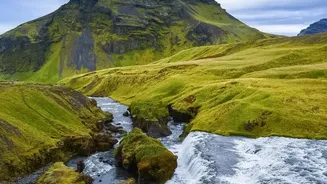
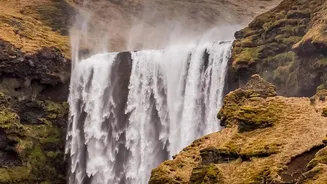
You don't always need to drive for days to escape the crowds. Sometimes, a hidden gem is hiding just around the corner from a major attraction. While thousands flock to the famous Skógafoss waterfall on the South Coast, a quiet path near the Skógar Museum leads to Kvernufoss. This beautiful 98-foot waterfall is tucked away in a mossy gorge and offers a sense of seclusion that is hard to find nearby. Much like the more famous Seljalandsfoss, you can even walk behind the curtain of water, but here you might have the experience all to yourself. It serves as a perfect reminder that even in Iceland's busiest regions, a little bit of curiosity is all it takes to find your own quiet moment.