






The Urban Squeeze: Why Big Homes Are Farther Away
In India's booming metropolitan cities like Mumbai, Delhi, and Bengaluru, space comes at a premium. The relentless urban sprawl means that finding an affordable, large apartment often requires looking towards the suburbs and peripheral areas. Developers
are increasingly launching expansive projects in these emerging corridors to meet the surging demand for affordable and mid-segment housing. This trend forces a trade-off: to get the extra bedroom or a balcony, buyers often have to accept a location that is significantly farther from the traditional city center, where their workplaces, schools, and social hubs might be located.
Beyond Fuel: Calculating Your Direct Travel Bill
The most obvious cost of a longer commute is the direct hit to your wallet. If you drive, this means higher monthly fuel expenses. With daily travel, this also leads to accelerated wear and tear on your vehicle, including the engine, brakes, and tyres, shortening its lifespan. For families, a home in the suburbs might even necessitate the purchase of a second car, adding another significant EMI, insurance, and maintenance bill. Those relying on public transport aren't immune either. Longer distances often translate to more expensive fares on metros and buses. In cities like Delhi-NCR, Bengaluru, and Hyderabad, monthly commuting costs can range anywhere from Rs 1,500 to Rs 7,000. For some, these travel expenses can consume between 15 and 25 percent of their monthly wages, acting as a 'hidden tax' on their income.
The Invisible Invoice: Your Time and Well-being
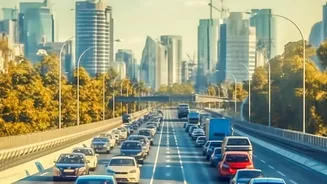
Perhaps the most significant, yet hardest to quantify, cost is the 'time tax'. Hours spent in traffic are hours you can't spend with family, exercising, pursuing a hobby, or simply resting. This loss of personal time has a direct impact on quality of life and can lead to increased stress and burnout. In Bengaluru, commuters can lose an astonishing 129 hours annually during peak hours, with Mumbai and Delhi not far behind at 121 and 128 hours, respectively. This daily grind of navigating congested roads impacts productivity and can strain family life, as parents struggle to juggle work, school runs, and household duties. The frustration and unpredictability of long commutes often mean sacrificing social and leisure activities.
An Evolving Landscape: The Rise of Peripheral Hubs
However, the narrative is not entirely one-sided. The urban model in India is changing. Many companies, especially in the IT and ITeS sectors, are themselves moving away from congested Central Business Districts (CBDs) to larger, more modern office parks in Peripheral Business Districts (PBDs). Locations like Whitefield in Bengaluru, Hinjewadi in Pune, and Gachibowli in Hyderabad are becoming self-contained ecosystems with offices, residences, schools, and retail. This shift means that a home in a peripheral area might actually reduce commute time if your workplace has also moved to the same micro-market. Improved connectivity through new metro lines and expressways is also shrinking travel times, making these areas more attractive.