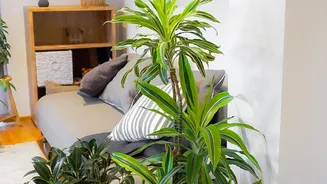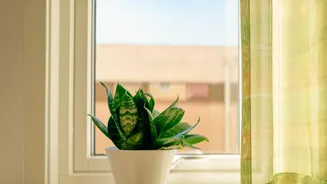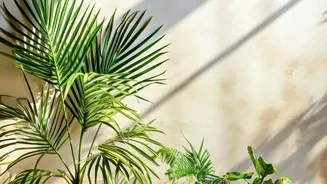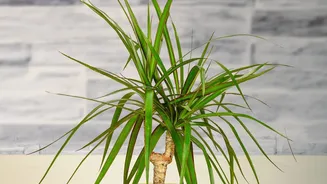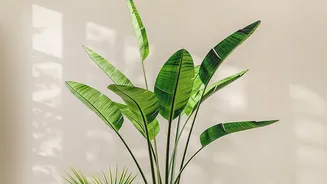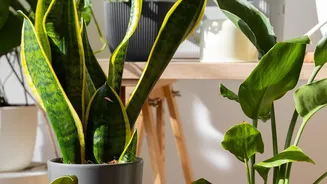





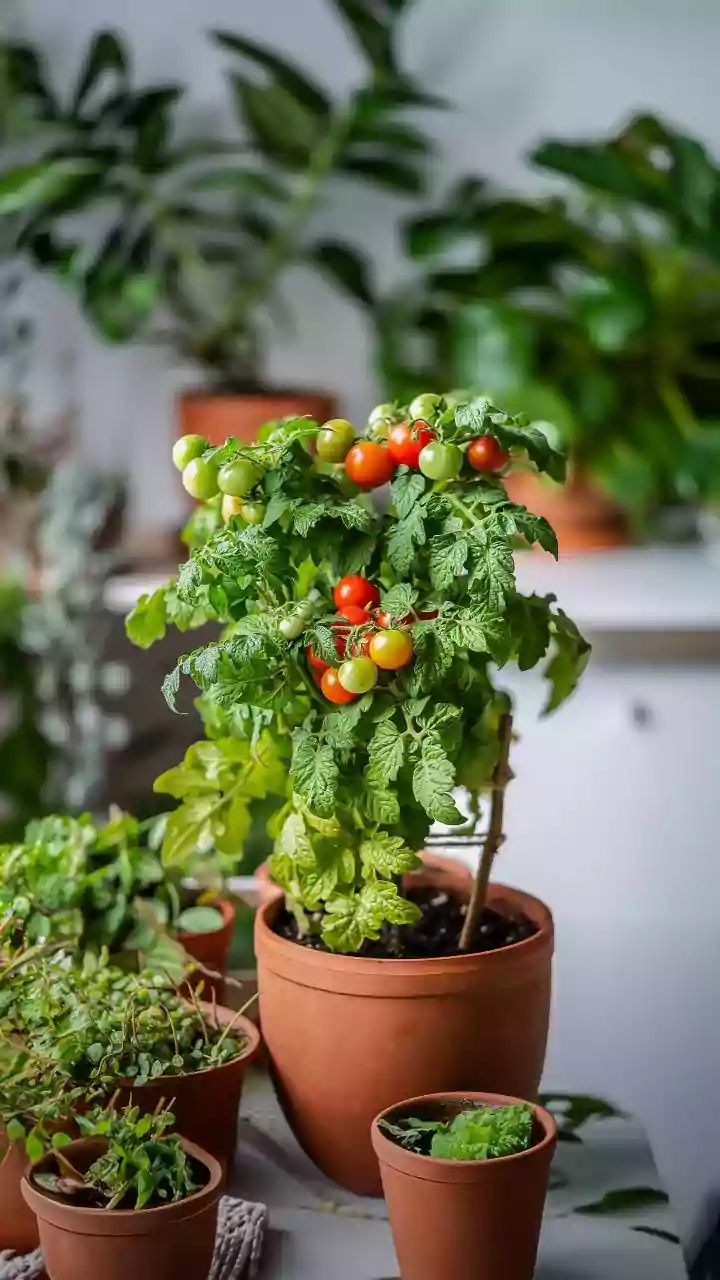


That snake plant in your bedroom and the peace lily on your desk are more than just decor. They're often sold as natural air purifiers, but is there solid science behind the claim? Let’s look at what the research actually says.
The Green Promise We All Bought
For decades, we’ve been
told that a few well-placed houseplants can scrub the air in our homes. This popular idea largely stems from a 1989 NASA study which found that plants like the spider plant, peace lily, snake plant, and dracaena could remove harmful volatile organic compounds (VOCs) like formaldehyde and benzene from the air. This groundbreaking research was intended to find ways to keep the air clean in sealed space stations. Soon, the findings were everywhere, and a new market for 'air-purifying' plants was born. Homeowners, eager for a natural and beautiful way to improve their indoor environment, embraced the idea that their leafy friends were working hard to protect them from invisible toxins.
From Sealed Lab to Ventilated Living Room
Here’s the catch: your living room is not a sealed NASA chamber. The original study placed plants in small, airtight containers to measure their impact. In a typical home, air is constantly being exchanged with the outdoors through windows, doors, and ventilation systems. This natural air exchange rate dilutes pollutants far more effectively and quickly than a few plants ever could. Subsequent reviews of the science have been blunt: the air-cleaning effect of plants in a normal home or office setting is negligible. The rate at which plants absorb toxins is simply too slow to keep up with the volume of air and the continuous release of new pollutants from furniture, cleaning products, and cooking.
The Science of Scale
So, how many plants would it actually take to purify the air in a room? According to a major 2019 review that analyzed decades of research, the numbers are staggering. To match the air-cleaning power of a building's standard ventilation, you would need anywhere from 10 to 1,000 plants per square metre of floor space. To put that in perspective, for a small 150-square-foot room, you might need up to 680 plants to make a meaningful difference in air quality. That’s less of a living room and more of a dense jungle. It's simply not a practical solution for the average person looking for healthier air.
Don't Ditch Your Plants Just Yet
While they may not be the powerful air purifiers we hoped for, houseplants offer a wealth of other proven benefits. Numerous studies have shown that having plants indoors can significantly reduce stress, boost mood, and improve concentration and productivity. The simple act of caring for a plant can be therapeutic and lower blood pressure. They add natural beauty to our spaces, connect us with nature, and can make us feel more comfortable and soothed. These psychological and aesthetic benefits are very real and are reason enough to fill your home with greenery. They make our environment a happier place to be, even if they aren’t doing the heavy lifting on air filtration.
Better Ways to Actually Clear the Air
If you're genuinely concerned about indoor air quality, there are far more effective strategies than buying a few more plants. The most important step is ventilation—simply opening your windows regularly to exchange stale indoor air with fresh outdoor air. Reducing the sources of pollution is also key. Opt for low-VOC paints and furnishings, use natural cleaning products, and ensure proper ventilation when cooking. For a more robust solution, especially in areas with high outdoor pollution, investing in a high-quality air purifier with a HEPA filter is the most effective way to remove airborne particles and contaminants.