




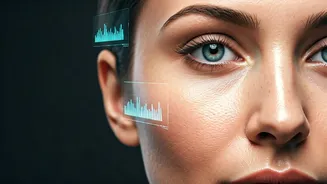



Meet the U1 Robot
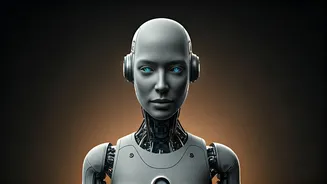
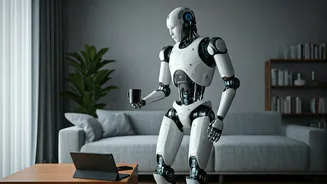
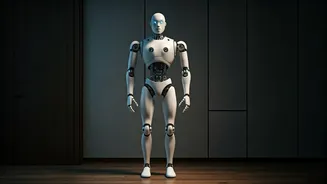
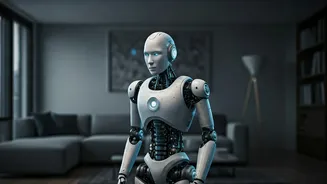
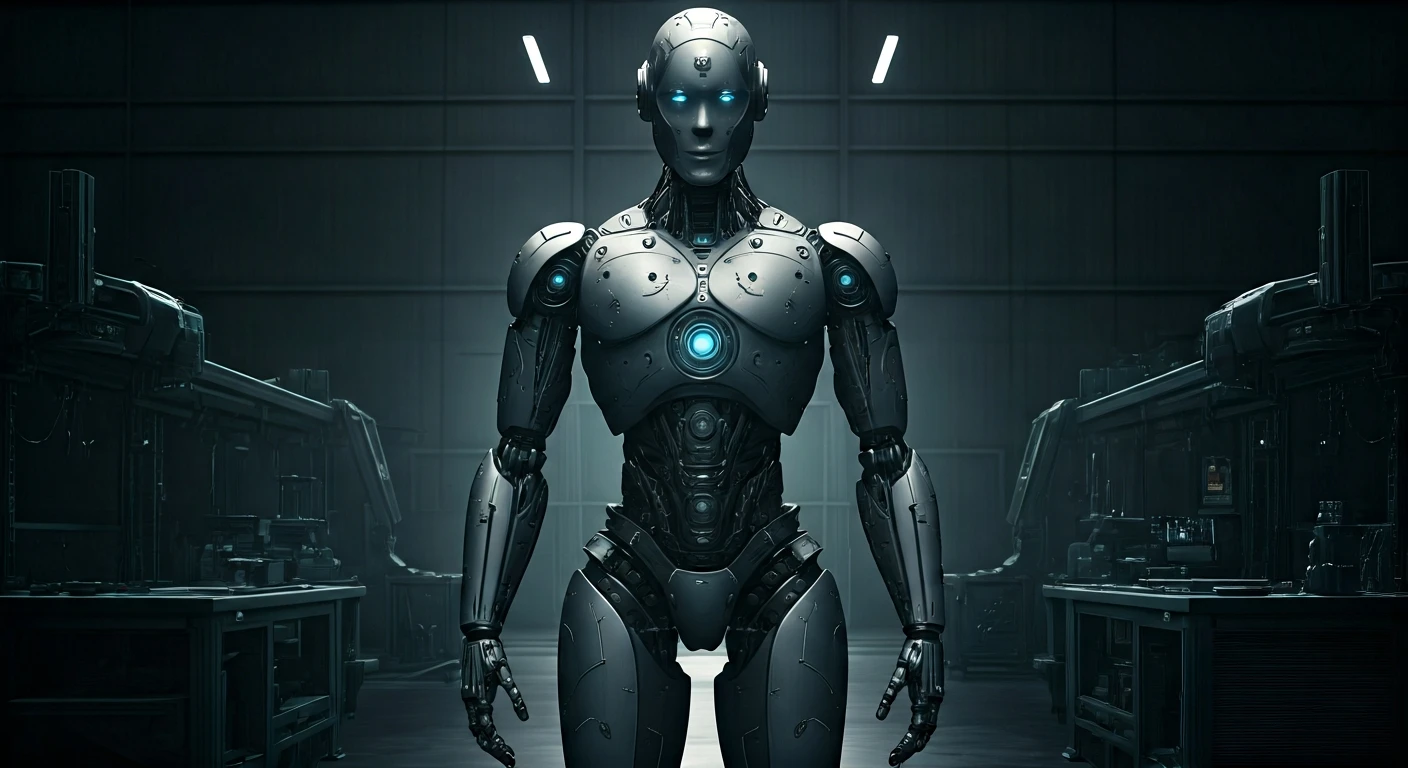
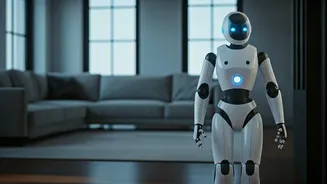
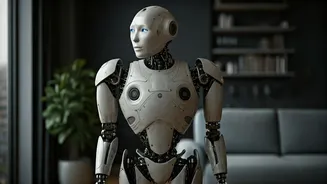
Chinese robotics firm UBTech recently launched the U1, a full-sized humanoid robot designed specifically for home use and companionship. Unlike industrial robots built for repetitive tasks, the U1 is positioned as an 'emotional companion'. It comes in male
and female models, standing at 183cm and 168cm respectively, with frames covered in a hyper-realistic silicone skin to create a more lifelike appearance. With 88 high-freedom joints, it can replicate a wide range of human-like movements. The launch marks a significant shift in the robotics industry, which has long focused on manufacturing and logistics, towards the more personal and complex consumer market.
More Than a Smart Speaker
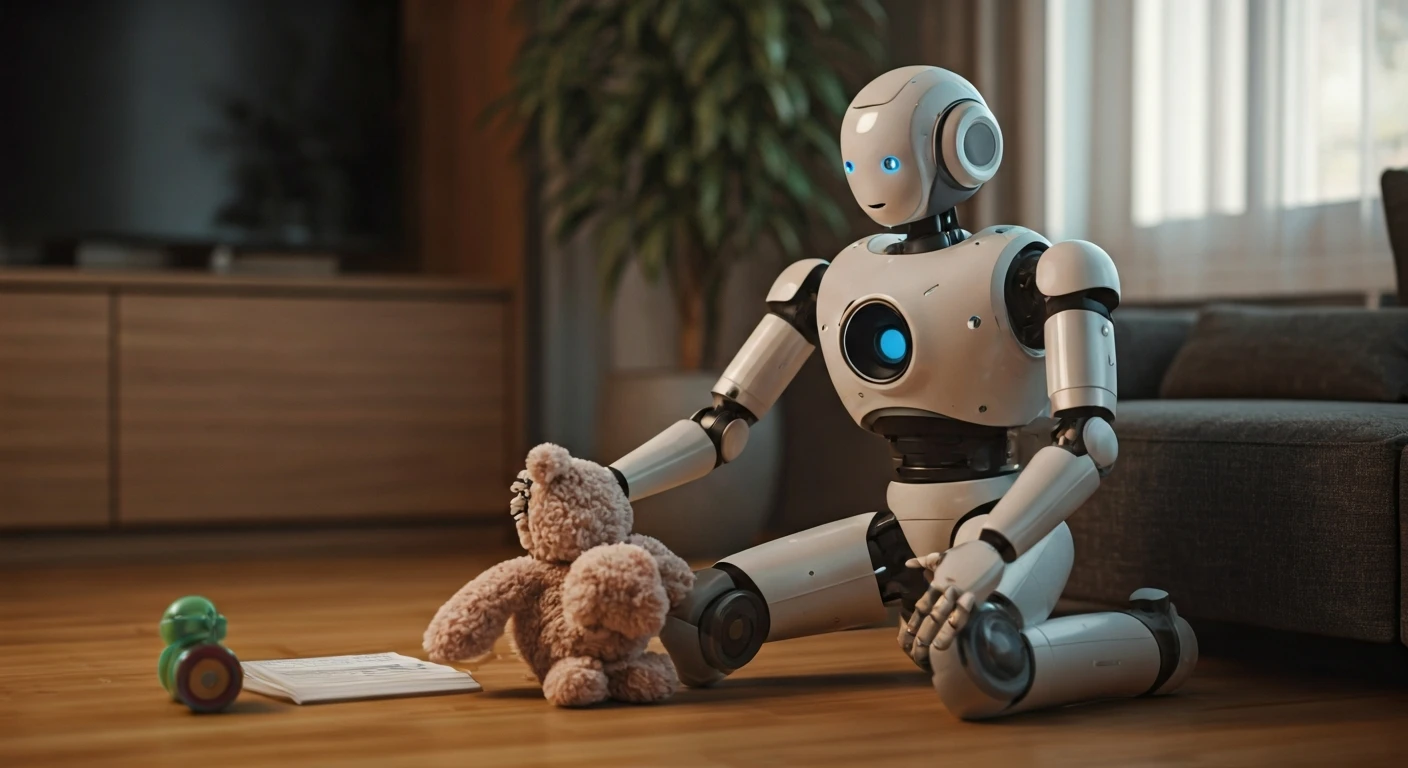
The core of the U1's appeal is its advanced emotional AI. The company claims the system can recognise over 20 different emotional states with high accuracy, allowing it to respond with empathy, hold natural conversations, and remember personal details about its owner over time. This on-device AI is designed for long-term interaction and building a connection. The robot can discuss daily concerns, offer soothing words if it detects stress, remind users to take medication, and even suggest activities. However, its functions are purely social and interactive; the U1 does not perform household chores like cooking or cleaning.
Technology and Privacy
A major selling point for UBTech is its focus on privacy. The U1's emotional AI model runs locally on its internal processor, meaning most interactions and conversations are processed on the device itself without being sent to the cloud. All user data is encrypted and stored locally by default. This approach is designed to address the significant privacy concerns that come with having a device equipped with cameras, microphones, and advanced AI inside one's home. Customisation is also extensive, allowing users to change the robot’s clothes, hairstyle, and even some personality traits.
Who Is It For and What Does It Cost?
The initial target market includes tech enthusiasts, high-net-worth individuals, and those seeking solutions for loneliness, particularly among the elderly. However, this cutting-edge technology comes with a premium price tag. The U1 series ranges from a 'Lite' version priced around ₹14 lakh (119,800 yuan) to an 'Ultra' version costing over ₹1 crore (990,000 yuan). Despite the high cost, early demand appears strong, with the company reporting over 10,000 pre-orders shortly after launch, signalling significant interest in this new product category.
The Promise and The Peril
The arrival of lifelike companion robots has ignited a passionate debate. Proponents see immense potential for combating the growing epidemic of loneliness and social isolation, especially in aging populations. Studies have suggested that companion robots can reduce stress and help people maintain an active lifestyle. However, critics raise concerns about the potential for unhealthy emotional dependency, questioning whether a relationship with an AI can ever be a true substitute for human connection. As these machines become more integrated into our lives, they force us to confront complex questions about the nature of relationships, emotion, and what it means to be human in an increasingly automated world.