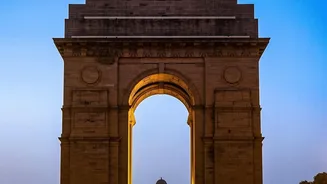







The Annual Pollution Cocktail
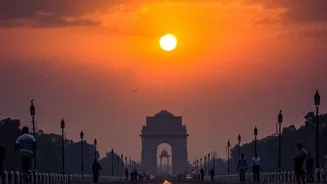
Every year, as temperatures drop, a 'perfect storm' of factors conspires to choke the capital region. Slower wind speeds and a phenomenon called temperature inversion trap pollutants close to the ground. These atmospheric conditions coincide with a spike
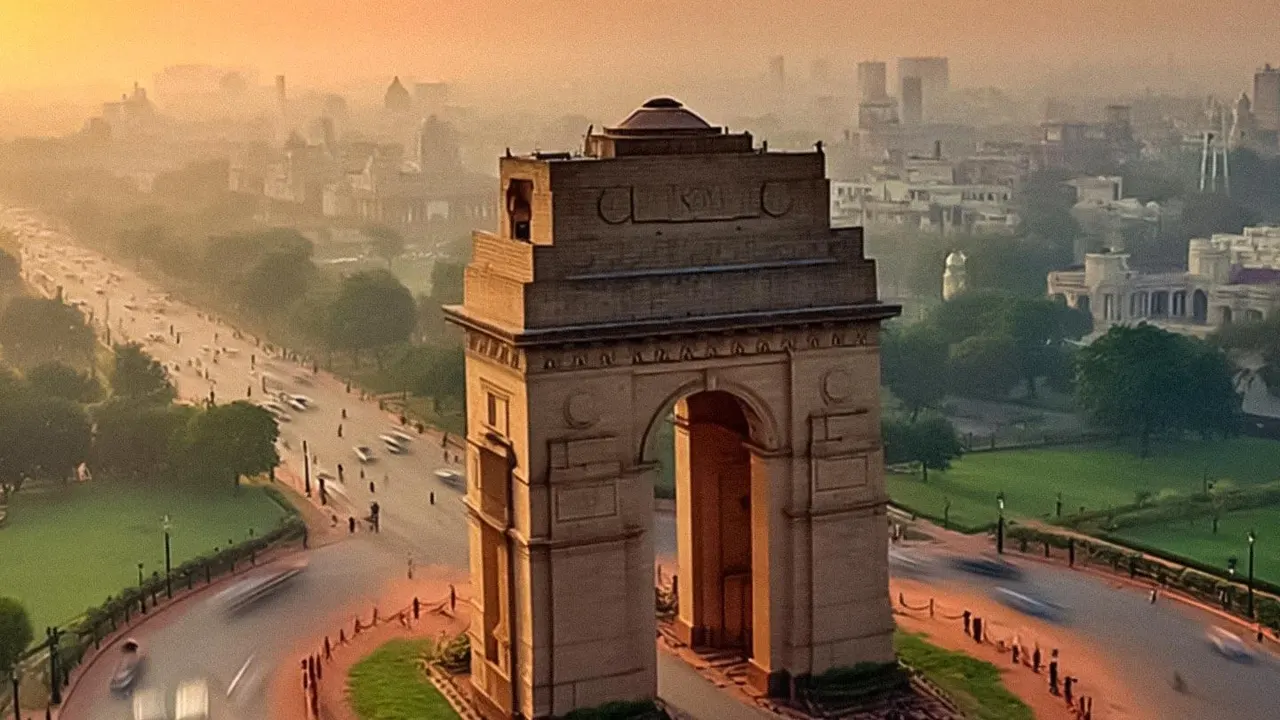
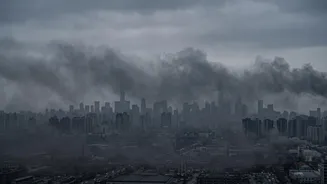
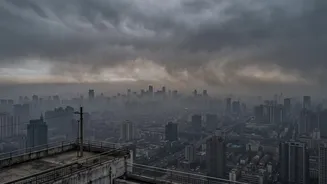
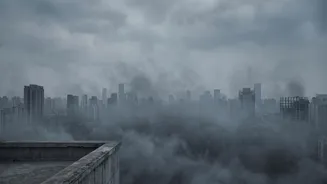
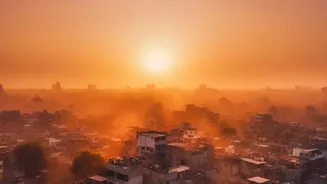
in pollution sources. Smoke from stubble burning in neighbouring states like Punjab and Haryana drifts towards Delhi, mixing with local emissions from vehicles, industries, and construction dust. This deadly combination creates the dense, toxic smog that defines winter in the region, turning the sky a hazy grey and pushing the Air Quality Index (AQI) into 'Severe' and 'Hazardous' categories for days on end.
What's in the Air We Breathe?
The smog that blankets Delhi-NCR is a complex mixture of harmful gases and fine particulate matter. The most dangerous of these are PM2.5 and PM10. PM10 are particles with a diameter of 10 micrometres or less, which can enter the throat and nose. But the truly insidious threat comes from PM2.5—particles so tiny (2.5 micrometres or less) they can bypass the body's natural defences, penetrate deep into the lungs, and even enter the bloodstream. Other dangerous components include Nitrogen Dioxide (NO₂), primarily from vehicle emissions, and Sulfur Dioxide (SO₂) from industrial processes, both of which irritate the airways.
More Than Just a Cough: The Severe Health Risks
Exposure to this toxic air is not just about a temporary cough or itchy eyes. It poses significant short-term and long-term health risks. In the short term, hospitals report a surge in patients with respiratory issues, including asthma attacks, bronchitis, and worsening of Chronic Obstructive Pulmonary Disease (COPD). However, the danger goes far beyond the lungs. The fine PM2.5 particles that enter the bloodstream can cause inflammation in blood vessels, increasing the risk of high blood pressure, heart attacks, and strokes. Long-term exposure is linked to reduced lung capacity and an increased risk of developing lung cancer.
Who is Most Vulnerable?
While no one is immune to the effects of severe air pollution, certain groups are at a much higher risk. Children are particularly vulnerable because they breathe more air relative to their body weight and their lungs are still developing. Studies have shown that millions of children in Delhi may have already suffered irreversible lung damage due to poor air quality. The elderly, whose lung function may already be in decline, are also at high risk for complications. Pregnant women and individuals with pre-existing heart or lung conditions are also more susceptible to the severe impacts of smog.
Your Guide to Breathing Safer This Winter
While systemic solutions are needed, individuals can take proactive steps to mitigate their risk. First, monitor the Air Quality Index (AQI) daily using official apps and websites. On days with high pollution, avoid strenuous outdoor activities like running or cycling, especially during the early morning when smog is thickest. When you must go out, wear a certified N95 or N99 mask that fits snugly to filter out fine particles. Indoors, keep windows closed during peak pollution hours and invest in a HEPA filter air purifier to clean the air inside your home. Finally, focus on a diet rich in antioxidants and Vitamin C, and stay hydrated to help your body fight off toxins.
What Are the Authorities Doing?
To combat this recurring crisis, authorities in Delhi-NCR implement the Graded Response Action Plan (GRAP). This is an emergency response mechanism that enforces a set of pre-determined measures based on the severity of the AQI. These measures are incremental and divided into stages. Stage I ('Poor' AQI) might involve stricter enforcement against open burning, while higher stages can trigger bans on construction activities, restrictions on certain types of vehicles, and even advise for work-from-home arrangements to reduce emissions. The goal is to act proactively as pollution levels rise, rather than waiting for the air quality to become hazardous.