






The Brain's Chemical Party
At the heart of the dance-induced high is a symphony of neurochemicals. When you move your body, particularly during sustained aerobic activity like dancing, your brain releases a cascade of 'happy hormones'. The most famous of these are endorphins, the body's
natural pain relievers and mood elevators. This is what creates that euphoric feeling, a natural high that leaves you feeling positive and energized. But it doesn't stop there. Dancing also stimulates the production of dopamine, a neurotransmitter linked to pleasure and reward. The anticipation of a beat drop or the satisfaction of nailing a move triggers a dopamine hit, reinforcing the activity as something enjoyable and worth repeating. Rounding out this hormonal quartet are serotonin, which helps regulate mood and promote feelings of happiness, and oxytocin, often called the 'bonding hormone'.
The Power of Moving Together
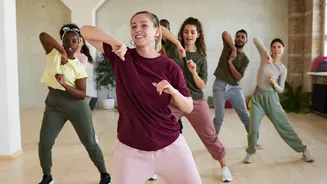
The 'group' aspect of group dancing is where the magic really multiplies. When we move in sync with other people, something profound happens. This phenomenon, known as behavioral synchrony, fosters a deep sense of connection and group cohesion. As we mirror the movements of those around us, our brains release oxytocin, the hormone responsible for feelings of trust, empathy, and social bonding. This is why dancing at a wedding, a concert, or in a class can make you feel a powerful sense of community and belonging, even with strangers. Neuroscientists have even observed that when people dance together, their brainwaves can start to coordinate, a process called 'interbrain synchrony'. This neural alignment blurs the lines between self and other, enhancing feelings of unity and mutual understanding.
A Workout for Your Mind
Beyond the immediate mood boost, group dancing is a formidable workout for the brain. Learning and recalling choreography requires focus, concentration, and memory, engaging multiple cognitive functions at once. This mental exercise helps to improve neuroplasticity, which is the brain's ability to form new connections and adapt. Some studies have even shown that dancing is one of the best physical activities for reducing the risk of dementia. Furthermore, the act of dancing serves as a form of mindfulness. By focusing on the rhythm, your steps, and your body's place in space, you are pulled into the present moment. This can provide a much-needed escape from daily worries and stressors, helping to lower levels of the stress hormone cortisol. The combination of physical exertion and mental focus makes dancing a potent tool for stress relief and anxiety reduction.
Express Yourself and Connect
For many, dance is a language that goes beyond words. It provides a safe and creative outlet for emotional expression. Whether you’re dancing out of joy, frustration, or celebration, movement can be a cathartic release, helping you process feelings that are difficult to articulate. In a group setting, this shared expression builds a unique form of non-verbal communication and support. It creates a space free from judgment, where individuals can connect with their own bodies and with others on a more primal level. This combination of physical activity, social bonding, and emotional release is what makes group dancing such a powerful force for strengthening overall emotional wellbeing. It's an activity that simultaneously nurtures the body, mind, and our innate need for social connection.