
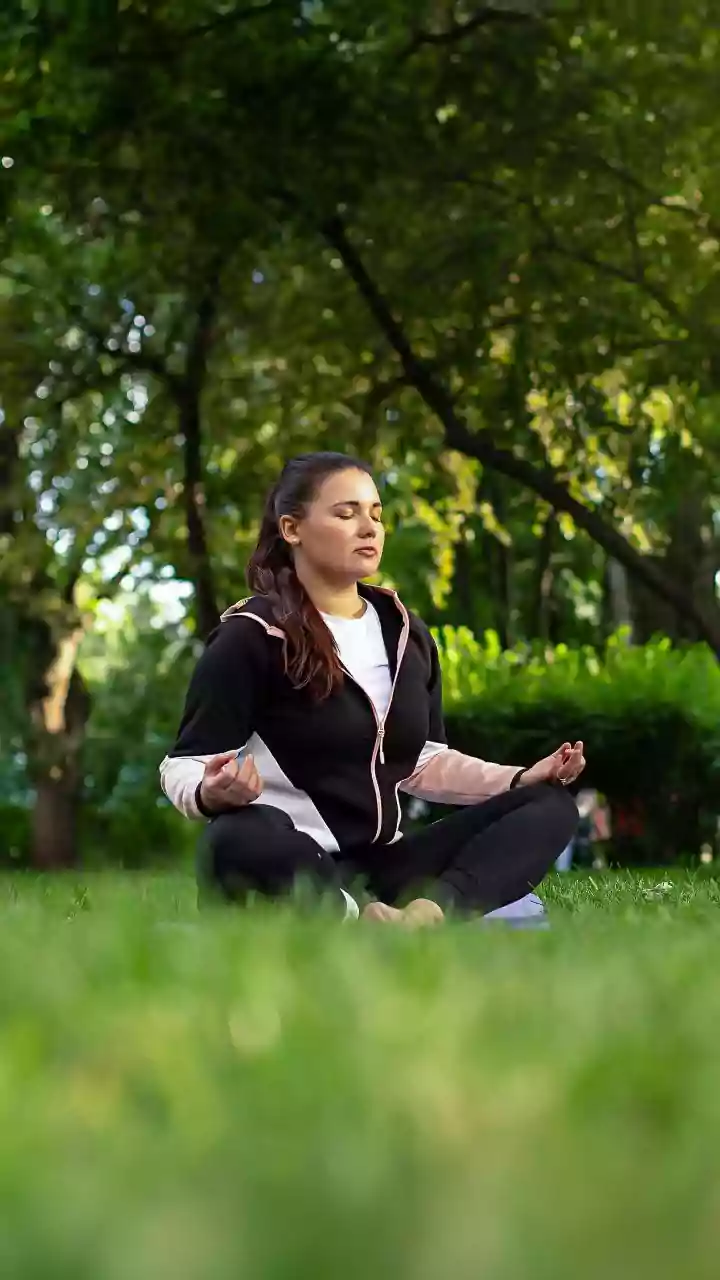





The Essence of Moving Meditation
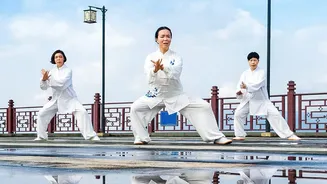
Tai Chi, an ancient Chinese martial art, is often described as 'meditation in motion'. Unlike high-impact exercise, its power lies in slowness. The practice consists of a series of gentle, flowing postures that seamlessly transition into one another,
coordinated with deep, focused breathing. This continuous movement calms a racing mind, offering a dynamic alternative to stationary meditation, which many people find challenging. By requiring you to pay close attention to your body's position and the sensation of each shift in weight, Tai Chi fosters a profound mind-body connection. This focus turns physical exercise into a powerful tool for mental clarity and stress relief.
The Science of Serenity
The benefits of Tai Chi are well-documented and extend far beyond simple relaxation. Regular practice is proven to improve balance, coordination, and flexibility, which is particularly valuable for preventing falls. The slow, controlled movements strengthen leg muscles and improve core stability without putting strain on the joints. Mentally, the meditative aspect has been shown to reduce stress, ease anxiety, and even alleviate symptoms of depression by promoting emotional well-being. Researchers have also found that learning and memorizing the graceful sequences can enhance cognitive functions like memory and attention.
Nature’s Calming Influence
There's a reason a trip to the beach feels so restorative. Science refers to oceans, lakes, and rivers as 'blue spaces', and their positive effect on our mental health is significant. Being near water has been shown to lower stress hormones like cortisol, reduce blood pressure, and slow your heart rate. The vast, unbroken horizon provides a sense of perspective and awe, while the rhythmic sound of the waves can trigger the release of mood-boosting neurochemicals like dopamine. This natural environment activates the body's 'rest and recover' system, making it an ideal setting for any activity focused on mental peace.
A Perfect Synergy on the Sand
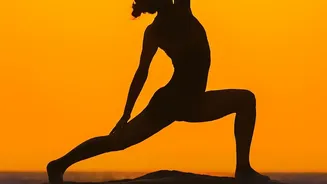
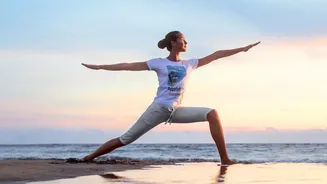
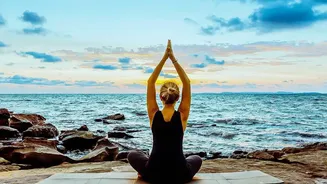
When you combine Tai Chi with a beach setting, the benefits of each are amplified. The uneven surface of the sand provides a gentle, natural challenge to your balance, engaging stabilizing muscles more effectively than a flat floor. Fresh sea air allows for deeper, more restorative breathing, improving oxygen circulation. The constant, soothing sound of the waves provides a natural soundtrack that helps deepen the meditative state, masking distracting thoughts. This practice of 'eco-mindfulness' helps ground you in the present moment, connecting your internal rhythm with the rhythm of the natural world.
Getting Started on the Shore
You don’t need to be an expert to enjoy Tai Chi on the beach. The beauty of the practice is its accessibility. Start by finding a comfortable spot with your feet hip-width apart and knees slightly soft. Begin with a simple movement like 'Raising and Lowering the Arms': inhale as you slowly float your arms forward and up to shoulder height, then exhale as you gently lower them back down. Coordinate the movement with your breath, moving as slowly as you can. Wear loose, comfortable clothing and practice barefoot to feel the connection with the sand. The goal is not perfection, but presence and peaceful movement.