



The Nutritional Showdown
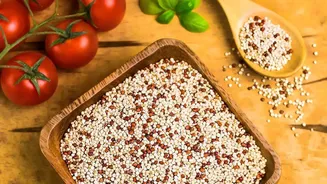
At a glance, both ragi (finger millet) and quinoa offer impressive nutritional profiles, but they shine in different areas. Quinoa is famous for being a 'complete protein', meaning it contains all nine essential amino acids, which is rare for a plant-based
food. It generally has a higher protein content, with some analyses showing nearly double that of ragi. On the other hand, ragi is an absolute powerhouse when it comes to calcium, containing significantly more than quinoa—in some comparisons, nearly seven to twenty times as much. This makes ragi exceptional for bone health. While quinoa often has a slight edge in iron, ragi is also a very good source. Ragi also tends to be higher in dietary fibre, which is crucial for digestive health and feeling full.
For Blood Sugar and Weight Management
Both grains are excellent choices for managing blood sugar levels and supporting weight management, thanks to their low glycemic index (GI). Low-GI foods release sugar into the bloodstream slowly, preventing sharp spikes. Ragi's GI is typically in the low to medium range, and its high fibre content further helps moderate blood sugar. Quinoa also has a low GI, and its combination of high protein and fibre contributes to satiety, helping you feel full for longer and reducing the urge to snack. For individuals with diabetes or those focused on weight loss, either grain is a beneficial replacement for refined grains like white rice or maida.
Fitness and Muscle-Building Goals
If your primary goal is muscle repair and growth, quinoa's protein profile gives it a distinct advantage. As a complete protein, it provides the full spectrum of amino acids your body needs to build muscle, similar to animal sources. This makes it a particularly valuable food for vegetarians and vegans. While ragi's protein content is lower and not 'complete', it still contributes to daily protein needs and is an excellent source of sustained energy from complex carbohydrates, which is vital for powering workouts. For a balanced approach, fitness enthusiasts could use quinoa for post-workout recovery meals and ragi for pre-workout energy.
The Kitchen Test: Cooking and Versatility
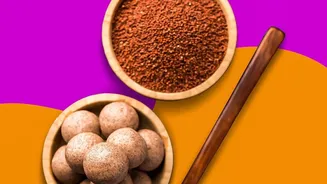
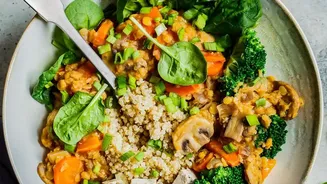
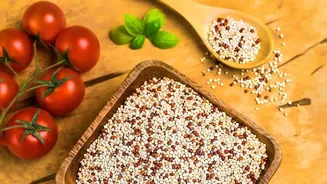
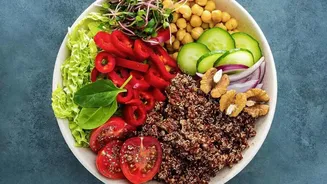
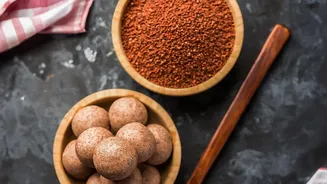
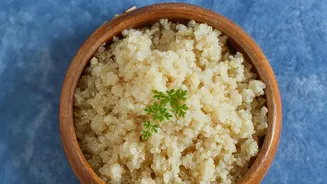
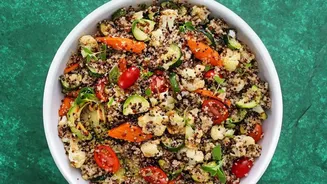
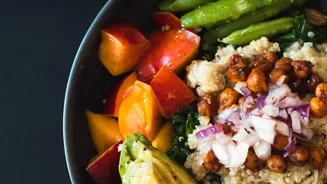
In Indian kitchens, ragi has a deep-rooted history. It's traditionally used to make rotis, dosas, porridges (kanji), and the famous ragi mudde. Its flavour is earthy and it integrates seamlessly into many regional dishes. Quinoa, originally from the Andes, has a milder, nuttier taste. It's incredibly versatile and often used as a substitute for rice, as a base for salads and bowls, or in dishes like upma. Both grains are naturally gluten-free, making them safe and healthy options for individuals with celiac disease or gluten sensitivity.
Cost, Accessibility, and Sustainability
This is where the two grains diverge significantly, especially for consumers in India. Ragi is a native crop, grown extensively across the country. This makes it highly affordable, widely available, and a sustainable choice that supports local farmers. Quinoa, on the other hand, is primarily imported from South America. This long supply chain, combined with its global 'superfood' status, makes it considerably more expensive. While some quinoa is now grown in India, it remains a premium product compared to the very budget-friendly ragi. For daily consumption, ragi is the more practical and economical choice for most Indian households.