







An Icon in Every Alley
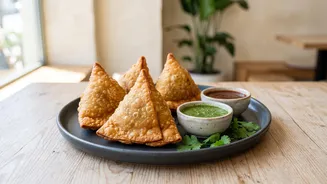
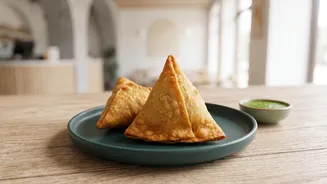
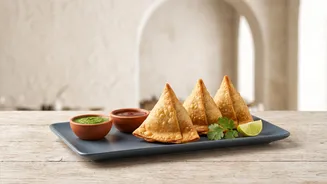
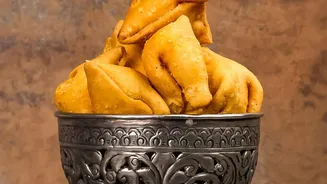
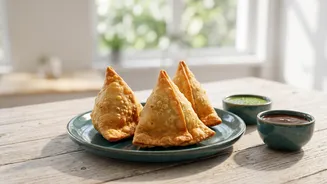
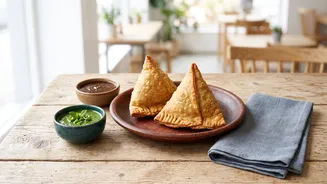
For generations, the samosa has been more than just a snack in Prayagraj; it's a cultural staple. From the legendary 136-year-old shop of Hari Ram and Sons in Loknath Gali to countless other vendors, the golden triangle is an integral part of daily life.
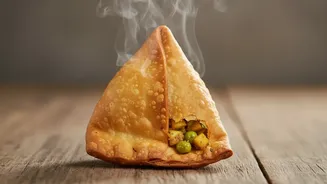
It's eaten for breakfast with dahi-jalebi, as an evening snack with tea, and as a reliable treat for students and workers. The city boasts a rich variety, from the classic potato-filled version to unique dry masala minis that have a long shelf life. This isn't a dish reserved for special occasions; it's a democratic delicacy, enjoyed by everyone, everywhere, cementing its place in the city's culinary soul.
Enter the ODOD Scheme
The Uttar Pradesh government's 'One District, One Product' (ODOP) scheme, and its newer offshoot 'One District, One Dish' (ODOD), were designed to boost local economies by promoting a signature item from each district. Launched in 2018, the broader ODOP initiative provides support for everything from artisan training and financial assistance to branding and market access. The goal is to turn unique local products, whether it's Moradabad's brassware or Siddharthnagar's Kala Namak rice, into recognisable brands that can drive employment and exports. For food items, the plan is to formalise micro-enterprises, improve hygiene, and build a global reputation.
The Samosa Gets a Promotion
After extensive consultations with culinary experts, historians, and local stakeholders, the samosa was officially chosen to represent Prayagraj. The administration confirmed that the selection was made after surveys and feedback from expert committees. Under the ODOD scheme, entrepreneurs in the samosa trade—along with those making rasgullas and puri-kachoris, which were added later—are now eligible for financial assistance to establish new units or expand existing ones. The scheme offers subsidies on project costs to encourage growth. This official recognition is expected to benefit the more than 1,000 families and businesses involved in the trade, from small street vendors to larger restaurants and manufacturers.
Hype vs. Helpful Reality
The central challenge of this initiative is branding a product that is, by its very nature, unstandardised. Unlike a specific handicraft, every samosa vendor in Prayagraj has a slightly different recipe, a unique spice blend, and a loyal following. Wisely, the government has not declared one version superior. The selection recognises the samosa in all its forms, from potato-stuffed to dry masala, as a symbol of the district. This avoids picking winners and instead focuses on uplifting the entire ecosystem. The 'hype' would be creating a single, uniform 'Prayagraj Samosa', potentially alienating the very vendors who make the culture so rich. The 'useful story' is that the scheme aims to provide financial aid and training, leaving the recipes in the hands of the makers. The real test will be ensuring that support reaches the smallest vendors, not just the 30-odd major establishments already identified by the administration.
A Taste of Opportunity
Despite the challenges, the ODOD scheme presents a significant opportunity. For many small-scale vendors, access to formal credit and business training has been a major hurdle. This initiative could help them scale up, improve their facilities, and reach wider markets, potentially even online platforms. By branding Prayagraj as the home of the samosa, the scheme can also boost culinary tourism, drawing food lovers to the city to experience the authentic and diverse offerings. The government estimates the initiative could generate employment for over 1,500 people in Prayagraj. The success of ODOP in other districts with products like Agra's leather goods and Kannauj's perfumes shows that with the right support, local specialities can indeed become engines of economic growth.