



Jalebi: The Sweet Spiral
Across North and Central India, the sight of bright orange, glistening spirals of jalebi being freshly fried is a common morning scene. This beloved sweet is made by deep-frying a fermented flour batter in intricate, coil-like shapes before soaking them
in a fragrant sugar syrup. While it's a popular dessert, jalebi is a breakfast staple in many regions. In states like Madhya Pradesh and Uttar Pradesh, it's often paired with a glass of warm milk. Perhaps the most famous breakfast combination comes from Indore, where hot, crispy jalebis are served alongside savoury poha (flattened rice), creating a delightful contrast of sweet, spicy, and tangy flavours all on one plate. This pairing highlights a culinary philosophy where sweet and savoury are not mutually exclusive but are instead partners in creating a more exciting meal.
Halwa Puri: A Weekend Indulgence
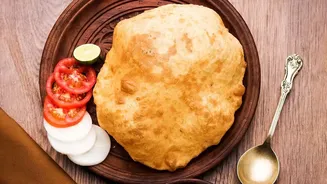
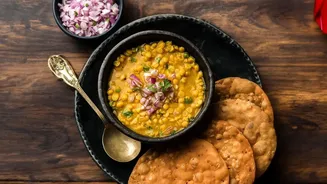
If Sunday had a flavour, for many in North India and Pakistan, it would be Halwa Puri. This isn't an everyday meal; it's a celebratory breakfast reserved for leisurely weekend mornings, festivals, and special occasions. The platter is a study in complementary textures and tastes: fluffy, deep-fried bread (puri) served with a rich, aromatic sooji halwa (a sweet pudding made from semolina, ghee, and sugar). Often, the plate also includes a savoury chickpea curry (chole) to balance the sweetness. The tradition has deep roots, with some tracing its origins to the Mughal era. It’s more than just food; it’s an event that brings families together, a comforting ritual that turns a regular morning into a small celebration.
Meethi Roti: Homemade Sweetness
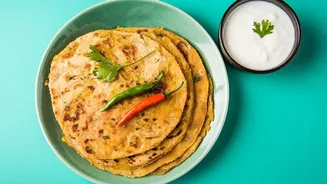
Not all sweet breakfasts are from a shop; many are made right in the family kitchen. Meethi Roti, or sweet flatbread, is a prime example of homemade comfort food. Popular in Punjabi households, this roti is a simple and wholesome way to start the day. The most common version, known as 'Gur ki Roti', is made with whole wheat flour and sweetened with jaggery, a traditional unrefined cane sugar that imparts a deep, caramel-like flavour. The dough is often scented with fennel seeds, and the finished rotis are cooked on a tawa with a generous amount of ghee. It’s a favourite among children and can be packed for a school tiffin. Served warm with a dollop of white butter or a side of plain curd, it represents a rustic, heartfelt expression of India's love for incorporating sweetness into staple foods.
Sakkarai Pongal: A Divine Start
Venturing into South India, the sweet breakfast tradition takes a different but equally delicious form. Sakkarai Pongal, or sweet pongal, is a creamy, rice-based dish that holds a special place in Tamil cuisine. While there is a savoury version (Ven Pongal), this sweet variant is a festive staple, especially during the harvest festival of Pongal. It’s made by cooking freshly harvested rice and moong dal until soft and mushy, then sweetening it with jaggery and enriching it with ghee. The dish is typically flavoured with cardamom and garnished with cashews and raisins fried in ghee. Sakkarai Pongal is not just a breakfast item but is also prepared as 'prasadam' (a devotional offering) in temples, giving it a sacred significance. Enjoying it in the morning is considered an auspicious and flavourful start to the day.