







The Cornerstone: Your Rental Agreement
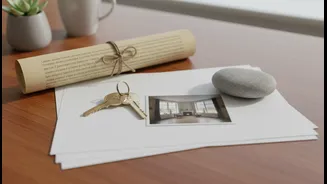
The rental agreement is the single most important document defining your tenancy. It is a legal contract that outlines the rights and responsibilities of both you and your landlord. Instead of letting it gather dust, make it the first entry in your master
record. Keep a clear, digital copy (a PDF or high-quality scan) that is easily accessible. Pay special attention to clauses covering the rent amount, security deposit, notice period, maintenance responsibilities, and any restrictions. In case of any disagreement, this document is the primary evidence courts will refer to. An 11-month agreement is common, but agreements for longer tenures must be registered to be legally enforceable. Knowing what your agreement says is the first step to protecting your rights.
A Picture Is Worth Your Security Deposit
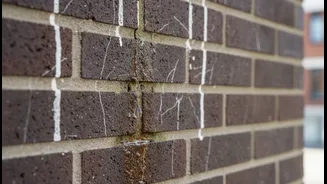
One of the most common disputes between tenants and landlords in India is over the refund of the security deposit, often due to disagreements about property damage. Your best defence is a thorough visual record. Before you move in a single piece of furniture, conduct a detailed photo and video tour of the entire property. Use your smartphone to capture time-stamped images of every room, highlighting any existing damage like scuffs on the wall, cracked tiles, or faulty fixtures. Create an inventory list of all provided appliances and furniture, noting their condition. Have your landlord acknowledge this record via email or a signed checklist. When you move out, repeat the process to prove you are leaving the property in the same condition, accounting for normal wear and tear.
The Unbreakable Chain of Payments
Never pay rent in cash without getting a receipt. In the digital age, it's easier than ever to maintain a clean record of all financial transactions. Prefer paying rent via bank transfer, UPI, or other digital methods that create an automatic, dated trail. For every payment you make—be it the monthly rent, security deposit, or reimbursements for repairs—ensure you receive a formal, dated receipt from your landlord. These receipts are not just for your records; they are essential proof for claiming House Rent Allowance (HRA) tax benefits and are your primary defence if a landlord wrongfully claims you haven't paid. Keep digital copies of all receipts and bank transaction screenshots in a dedicated folder.
Documenting Utilities and Communications
To avoid disputes over bills, take clear photos of all utility meters—electricity, water, and gas—when you move in and when you move out. This provides indisputable proof of your consumption. Furthermore, shift all important communication with your landlord from verbal chats to a written format. Use email or WhatsApp for maintenance requests, complaints, or seeking permissions. This creates a time-stamped log of what was requested, when it was reported, and how it was resolved. If the landlord agrees to a repair or makes a promise verbally, follow up with a polite message summarising the conversation. This written trail is invaluable if a dispute arises over maintenance responsibilities or promised amenities.
Your Digital Filing Cabinet
The final step is to bring all these scattered pieces together into one master rental record. You don't need fancy software; a simple, dedicated folder on a free cloud service like Google Drive, Dropbox, or your phone's file manager works perfectly. Create sub-folders for 'Rental Agreement', 'Move-in/Move-out Photos', 'Rent Receipts', 'Utility Bills', and 'Landlord Communication'. Consistently saving every relevant document and photo to this central hub takes only a few seconds each month but builds a powerful repository of evidence. This organised approach not only gives you peace of mind but also puts you in a position of strength, ready to handle any potential issue with clear, documented proof. This digital record becomes your ultimate safety net, ensuring a fair and transparent renting experience.