




The Ever-Present Threat to Tokyo
The Japanese government estimates there is a roughly 70% chance of a magnitude-7 class earthquake striking the greater Tokyo metropolitan area within the next 30 years. Such an event, often called the 'big one,' could be catastrophic. Projections suggest
a major quake could result in up to 18,000 deaths and the destruction of around 400,000 buildings, largely due to fires that would follow. With a population of over 40 million in the metro area and its status as the nation's political and economic heart, a disaster of this scale would not just paralyze Japan but send shockwaves through the global economy. The concentration of government ministries, financial institutions, and corporate headquarters makes the capital uniquely vulnerable to complete functional collapse.
A Plan for a Backup Capital
In response to this risk, Japan's parliament, the National Diet, passed a law in July 2026 to create a legal framework for a 'secondary capital'. The core idea is to designate one or more regions to serve as a backup, ready to take over essential government functions if Tokyo is incapacitated. This is not an entirely new concept; discussions about decentralizing the capital have occurred since the 1970s to relieve overcrowding and improve disaster resilience. However, the recent legislation marks the most concrete step yet. The law enables the Prime Minister to select a location that could temporarily host the state's main administrative and political functions, ensuring the country can continue to be governed during a national crisis.
What Makes a Viable Alternative?
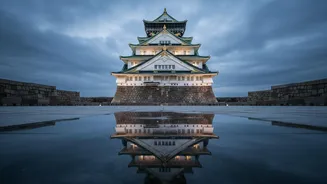
The criteria for selecting a backup are strict. A candidate city or region must have a lower probability of being damaged by the same disaster that hits Tokyo. It also needs sufficient existing infrastructure, a significant population, and the administrative capacity to handle the responsibilities of a national capital. Several prefectures, including Osaka, Fukuoka, Hokkaido, and Miyagi, have expressed interest in the role. The new law aims not only to provide an emergency backup but also to encourage economic growth in other regions, correcting what lawmakers describe as an 'overconcentration' in Tokyo, which generates about a fifth of the country's entire economic output.
Political Hurdles and Practical Challenges
The plan is not without controversy. The bill passed the opposition-controlled Upper House by a very narrow margin, highlighting political divisions. Critics argue the plan may unfairly favor Osaka, the home base of the Japan Innovation Party (JIP), a key partner in the ruling coalition government. The push for a second capital was a central promise in the coalition agreement, leading to accusations that the selection process could be politically motivated rather than purely logistical. Beyond politics, the financial and logistical challenges are immense. It involves significant investment in government facilities, transport links, and resilient infrastructure in the chosen area, along with creating incentives for private investment.
More Than Just Moving Offices
The backup capital plan is part of a much broader national strategy to enhance resilience. In June 2026, the government updated its 10-year disaster plan for a Tokyo quake, aiming to halve projected fatalities and building losses. This involves a massive increase in specific policy goals, such as pushing for near-universal installation of seismic circuit breakers to prevent fires and ensuring all households have at least three days of food stored. Companies are also being pushed to develop their own Business Continuity Plans (BCPs) to ensure they can remain operational. This multi-faceted approach, combining public preparedness with high-level government contingency planning, underscores the seriousness with which Japan is treating the inevitable.