




The Science of a Smile
The primary reason dance aerobics feels so engaging is rooted in brain chemistry. When you move your body to music, your brain releases a cocktail of 'feel-good' chemicals, including endorphins, serotonin, and dopamine. These neurotransmitters are natural
mood-lifters and pain relievers. Simultaneously, this type of activity can lower levels of cortisol, the body's primary stress hormone. This chemical shift not only makes the physical exertion feel less strenuous but actively reduces feelings of stress and anxiety, making the entire experience more pleasurable and something your brain wants to do again. The music itself is a powerful motivator; our brains are naturally wired to respond to rhythm, which can make movement feel more coordinated and less effortful.
More Than Just a Cardio Boost
While dance aerobics is an excellent form of cardiovascular exercise, its benefits extend far beyond heart health. Unlike linear exercises like running on a treadmill, dancing involves moving in multiple planes of motion—forward, backward, side-to-side, and rotational. This challenges the body in a more holistic way, engaging not only large muscle groups but also the smaller stabiliser muscles that are crucial for balance and coordination. Regular practice leads to improved flexibility, muscle tone, posture, and spatial awareness. It's a full-body workout that enhances physical conditioning in a way that often goes unnoticed because you are focused on the steps and the music.
The Power of Community
Many dance aerobics classes are group activities, and this social component is a significant factor in their appeal. Exercising with others can foster a sense of community and shared experience that is highly motivating. Unlike a gym floor where individuals often work out in isolation with headphones, a dance class encourages interaction and connection. This feeling of belonging and mutual support can make you more accountable and more likely to attend classes consistently. Research has shown that the social aspect of group dance is effective in improving mood and reducing psychological distress. Sharing the energy of a room where everyone is moving to the same beat creates a powerful, collective joy that is hard to replicate alone.
Find Your Rhythm in India
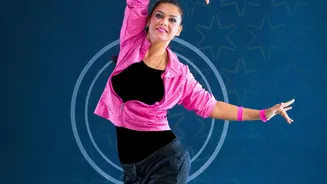
The beauty of dance aerobics is the sheer variety of styles available, ensuring there's something for almost every taste. In India, high-energy options like Zumba, with its Latin-inspired rhythms, are incredibly popular. So are classes built around Bollywood and Bhangra music, which offer a culturally resonant and incredibly fun workout. These classes combine familiar, high-energy music with structured aerobic movements. Other popular formats include hip-hop aerobics, which focuses on modern street dance styles, and barre classes, which incorporate elements of ballet for a workout that builds lean muscle and improves posture. The key is to explore different options and find a class with music and a style of movement that you genuinely enjoy.
How to Take Your First Step
Getting started with dance aerobics is less intimidating than it might seem. Most studios and classes are welcoming to beginners, with instructors who break down the choreography step-by-step. Don't worry about getting all the moves right on your first day; the goal is simply to keep moving and have fun. Wear comfortable clothing that allows you to move freely and supportive athletic shoes. Many gyms and community centres offer trial classes, allowing you to sample different styles before committing. You can also find countless beginner-friendly workouts online to try in the comfort of your own home. The most important thing is to let go of self-consciousness and embrace the process of learning something new.