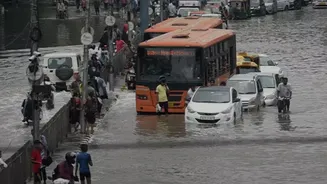








An Unprecedented Downpour
The latest spell of intense rain began around the start of August, catching many by surprise with its sheer volume. The India Meteorological Department (IMD) reported that between August 1 and 4, Kerala received 205.8 mm of rain, a staggering 181% excess
compared to the normal of 73.2 mm for the period. This deluge prompted the IMD to issue red alerts—signifying extremely heavy rainfall exceeding 204 mm in 24 hours—for eight districts on August 4, including Pathanamthitta, Kottayam, Idukki, and Ernakulam. While an official from the Kerala State Disaster Management Authority (KSDMA) described the phenomenon as a cloudburst, researchers have pointed to an increase in mesoscale mini cloudbursts—highly localised, extreme downpours—as a growing threat in the state.
The Human Cost of the Floods
The impact on human lives has been significant and swift. As of August 5, the state government confirmed that the death toll from rain-related incidents had risen to 26, with four people still missing. Across the state, 462 relief camps are now operational, providing shelter to 27,048 people displaced by the rising waters and landslides. The districts of Pathanamthitta, Kottayam, and Alappuzha have been particularly hard-hit, hosting the highest number of camps. Scenes of residents, including the elderly and children, wading through knee-deep water have become common in inundated towns, and hundreds of homes have been reported as either fully or partially damaged. The government has announced a financial assistance package for the families of the deceased and for those who have lost their homes and property.
Authorities on High Alert
State and national disaster response agencies have been fully mobilised. The Kerala State Disaster Management Authority (KSDMA) is coordinating efforts, urging people in landslide-prone hilly regions and low-lying areas to move to safer locations or relief camps. Nine National Disaster Response Force (NDRF) teams have been pre-deployed across vulnerable districts to aid in rescue and relief operations. The Chief Minister's office is monitoring the situation daily, coordinating with various departments to ensure a swift response. Though the peak red alerts issued on August 4 were downgraded to orange and yellow alerts by August 5, authorities remain vigilant as heavy rain is forecast to continue in parts of the state until at least August 10.
Echoes of the Past, Fears for the Future
For many in Kerala, the current crisis brings back grim memories of the devastating floods of 2018. That event reshaped the state's understanding of its vulnerability to extreme weather. Researchers now highlight that Kerala is becoming a hotspot for these intense, short-duration rainfall events, which can quickly generate flash floods. Experts are calling for a fundamental shift in disaster management strategy, focusing on improved real-time prediction systems and climate-informed policy planning. While the immediate focus is on rescue and relief, the recurring nature of these extreme weather events raises urgent questions about long-term climate resilience, land use, and the state's preparedness for a future where such deluges may become the new normal.