





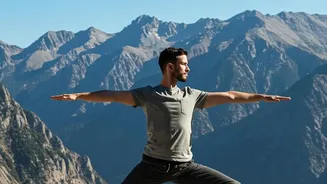
At first glance, the silent focus of an archer and the serene stillness of a yogi seem worlds apart. Yet, both disciplines rely heavily on visualization to achieve success. But how they visualize reveals a fascinating contrast in philosophy and intent.
The Archer’s Mind: Projecting The Perfect Outcome
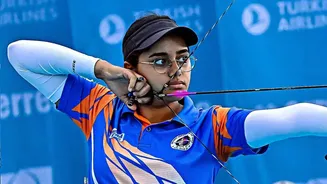
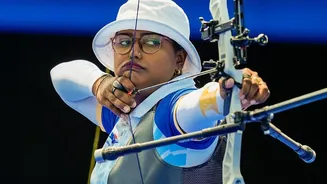
For an archer, visualization is a mental dress rehearsal for a future event. It is an act of projecting a perfect, desired outcome. Before even nocking an arrow, an elite archer will often close their eyes and run a mental movie of the entire shot. They visualize the feel of the bow in their hand, the tension of the string, the steady aim, and the crisp release. Crucially, they see the arrow’s perfect flight path and imagine it striking the centre of the target. This practice isn't just daydreaming; it's a scientifically-backed technique to build confidence, reduce anxiety, and train the mind and body to work in sync. Sports psychologists note that the brain can struggle to distinguish between a vividly imagined event and a real one. By repeatedly visualizing success, the archer’s subconscious mind begins to accept this outcome as normal, making it more likely to happen under pressure. This form of visualization is external, goal-oriented, and specific. It’s about controlling a future moment by mentally perfecting every step that leads to it.
The Yogi’s Gaze: Cultivating Internal Awareness
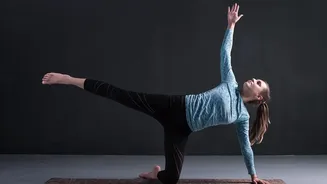
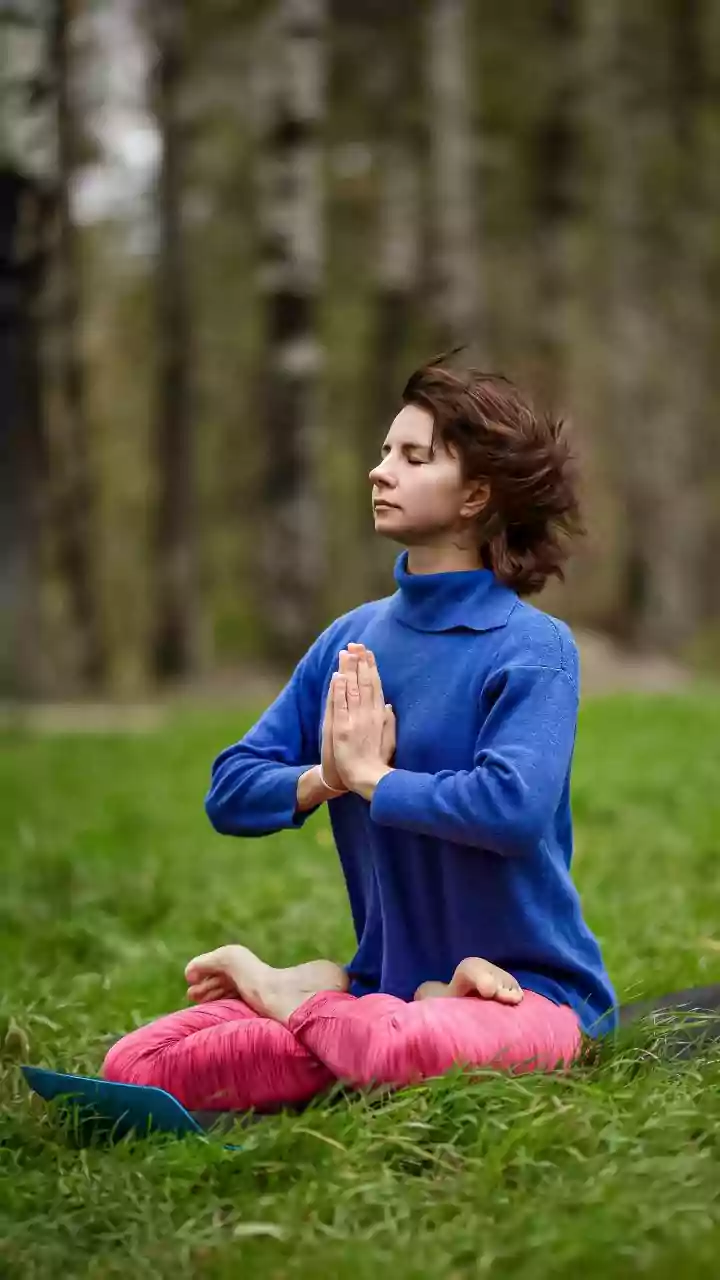
In yoga, visualization turns inward. Instead of projecting a future result, the focus is on cultivating present-moment awareness. The key practice here is drishti, which translates to 'gaze' or 'vision'. During asana (physical postures), a yogi directs their gaze to a specific point—the tip of the nose, the navel, or the thumb, for example. This isn't an intense stare but a soft, steady focus that helps to quiet the mind and eliminate distractions. The goal of drishti isn't to see something external, but to use the gaze as an anchor to draw attention inward. This leads to dharana, the yogic concept of single-pointed concentration, which is the sixth of the eight limbs of yoga. Here, visualization might involve focusing on the flow of breath, the sensation of a muscle stretching, or holding a mental image in the mind's eye. Unlike the archer’s outcome-focused imagery, yogic visualization is about the process. It’s about being fully present in the body and observing internal sensations without judgment.
External Goal vs. Internal Process
The fundamental difference lies in intent. The archer visualizes to do. The yogi visualizes to be. Archery’s visualization is a powerful tool for performance enhancement. It is proactive and detailed, designed to master a physical skill and achieve a measurable result: hitting the target. Success is defined by an external event. An archer might even visualize overcoming a tough competitor or performing under the stress of a final shoot-off. Yoga’s visualization, on the other hand, is a tool for mindfulness and self-realization. The purpose is not to achieve an external goal but to deepen one's connection to the present moment. Success is defined by an internal state of being: calm, focus, and awareness. While an archer rehearses an action, a yogi cultivates a state of non-action, where the mind becomes a quiet observer. The archer is trying to influence the future; the yogi is trying to fully inhabit the now.
Where The Two Philosophies Meet
Despite these differences, there is significant overlap. Both disciplines use their respective techniques to achieve a 'flow state', where the thinking mind gets out of the way and action becomes fluid and intuitive. An archer cannot be worrying about a previous bad shot or the crowd's expectations; they must be fully present to execute the shot they visualized. This requires the same mental quiet that yoga aims to cultivate. In fact, many archers incorporate yogic breathing (pranayama) and mindfulness to calm their nerves and steady their hands before a shot. Both practices teach emotional control and the ability to let go—for the archer, letting go of the arrow and the outcome; for the yogi, letting go of distracting thoughts and attachments. They are two different paths leading to any same mountain peak of mental stillness and control.