






A 'Broken' Schedule
In a candid internal memo, NASA Administrator Jared Isaacman informed the agency's workforce that the Artemis III mission is running approximately 90 days behind schedule. The memo, first reported in late September 2026, states the schedule is "~90 days broken,"
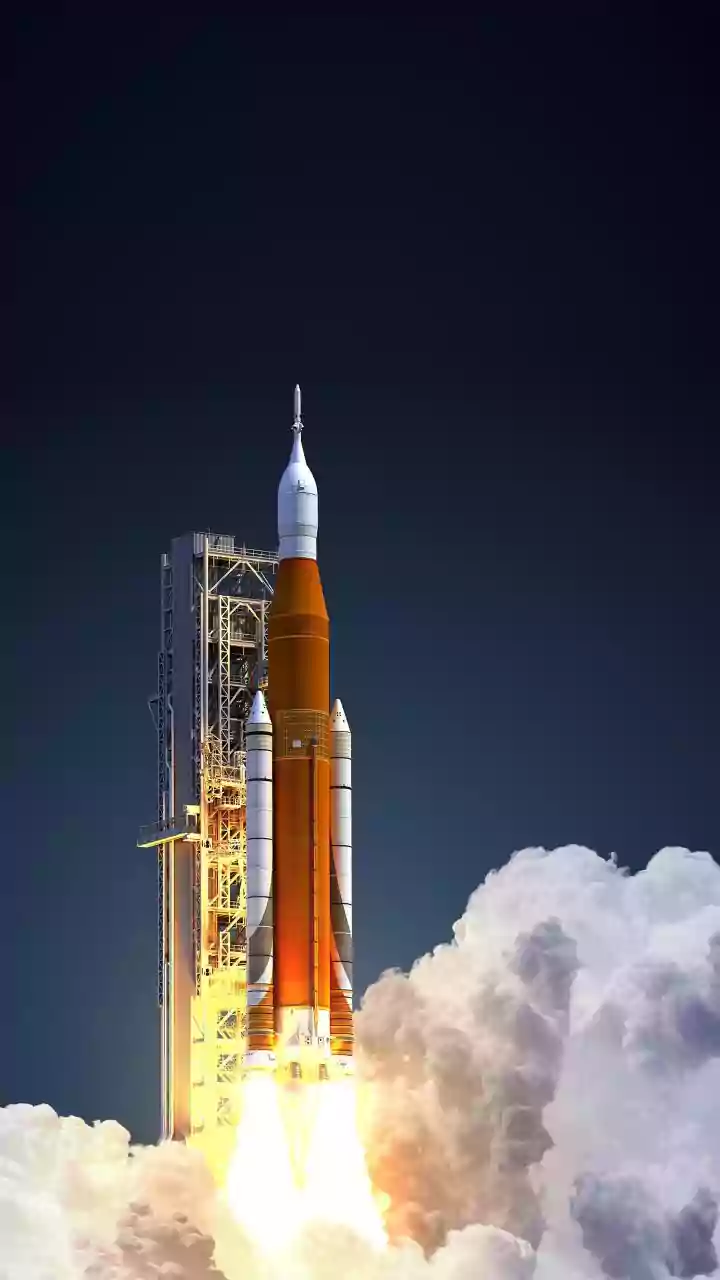
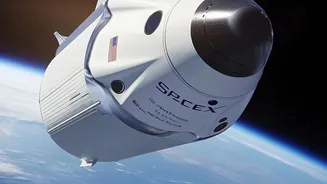
though it adds there are opportunities to recover the lost time. This mission, now targeting a launch no earlier than summer 2027, is a crucial dress rehearsal. Instead of landing on the Moon, Artemis III was redesigned as a test flight in low-Earth orbit. Four astronauts will fly NASA's Orion capsule to practice docking with the commercial lunar landers, a critical maneuver needed for future surface missions. This delay, while seemingly small for a multi-year program, puts pressure on NASA’s goal of attempting two lunar landings in 2028 with the subsequent Artemis IV and V missions.
The Billion-Dollar Sticking Points
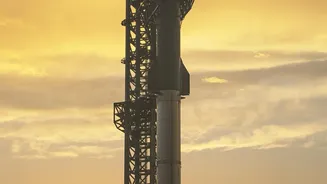
The delay isn't due to one single issue but a cascade of them. The Human Landing Systems (HLS), being developed by SpaceX and Blue Origin, are a primary factor. SpaceX's Starship, a key component, only recently achieved orbit for the first time in late September 2026. While a monumental achievement, the mission was cut short, and an engine shut down prematurely. For lunar missions, SpaceX must demonstrate not just orbital flight but also complex in-space refueling, which could require around ten separate tanker launches to fill up a single lander in orbit. Beyond the landers, Isaacman's memo pointed to supply chain issues for rocket hardware and delays in the production of Orion's maneuvering system engine. This illustrates that even with successful test flights, the path to a fully integrated and reliable system is fraught with technical hurdles.
You Can't Moonwalk Without a Suit
Just as critical as the rockets and landers are the spacesuits. Axiom Space is tasked with developing the next-generation AxEMU suits for the Artemis missions. A spacesuit is essentially a personalized spacecraft, responsible for life support, radiation protection, and mobility. While development is advancing, a NASA Inspector General report earlier noted there was "little to no schedule margin" for the suits to be ready for a 2028 landing. To manage the pressure, NASA and Axiom are reportedly developing a simplified "sortie suit" for early missions, reducing some of the original design's complexity to meet the timeline. The Artemis III mission is now being evaluated as an opportunity to test the interfaces between these new suits and the landers in the relative safety of Earth orbit, working out the kinks before a trip to the Moon.
The Geopolitical Clock is Ticking
This delay isn't just a technical problem; it's a geopolitical one. NASA officials, including Administrator Isaacman, have increasingly framed the Artemis program as a race with China. In the memo, Isaacman bluntly stated, "Perpetuating the status quo is not an achievable strategy in this race." China has a methodical and successful lunar exploration program, with plans to land its own astronauts, or taikonauts, on the Moon by 2030. While NASA's target for a human return is still 2028 with Artemis IV, any further slips to the preparatory missions bring that deadline, and American leadership in space, into question. The 90-day delay for Artemis III may seem minor, but in a race where momentum and national prestige are on the line, every month counts.