



What Exactly is Floating Yoga?
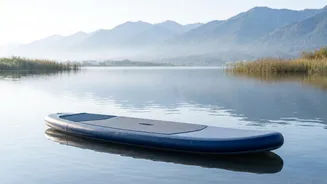
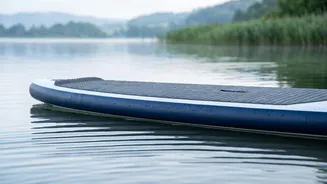
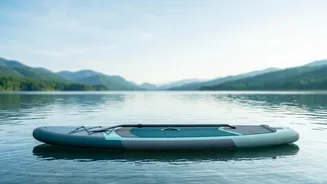
Floating yoga, most commonly known as Stand-Up Paddleboard (SUP) yoga, is precisely what it sounds like: a yoga practice performed on a paddleboard in a calm body of water like a lake, bay, or swimming pool. Instead of a stable, predictable floor, your
mat is a board that gently rocks and shifts with the water and your movements. This fusion of two disciplines—stand-up paddleboarding and yoga—creates a novel experience that challenges the body and mind in new ways. The goal isn't just to execute poses, but to find harmony with the natural environment, turning your workout into a holistic adventure.
A New Level of Core Engagement
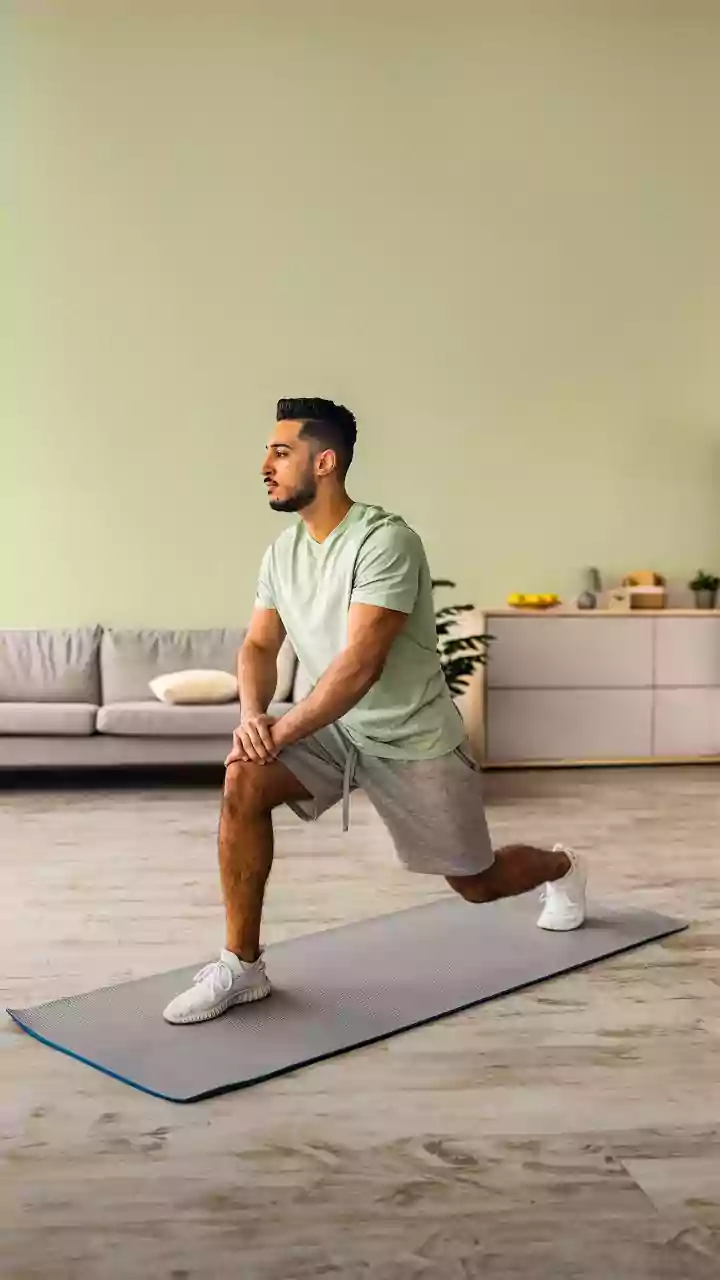
The most significant physical benefit of taking your practice to the water is the intense core workout. Familiar poses like a simple lunge or a Downward-Facing Dog suddenly require a new dimension of balance. The unstable surface of the paddleboard forces the tiny stabiliser muscles in your core, back, and legs to fire constantly to prevent you from taking an unplanned dip. This continuous engagement builds a deep, functional strength that can be more difficult to achieve on solid ground. Every movement, no matter how small, must be made with intention and control, turning your entire session into a dynamic core-strengthening flow.
Forced Mindfulness and a Deeper Connection
Beyond the physical demands, floating yoga offers profound mental benefits. The constant need to adjust your balance keeps your mind firmly anchored in the present moment, a state often described as 'forced mindfulness'. Your focus can't wander when a slight wobble serves as an immediate reminder to stay present. This intense concentration, combined with being outdoors, can be incredibly meditative. The sound of water lapping against the board, the warmth of the sun, and the open sky create a serene backdrop that enhances stress relief and promotes a feeling of peace. It’s a workout for the mind as much as the body, encouraging a deeper awareness and connection with nature.
Is It as Difficult as It Looks?
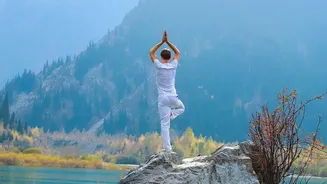
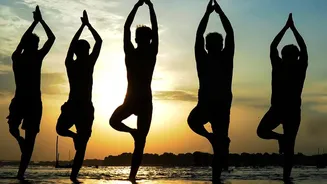
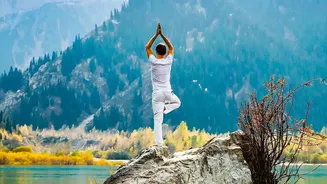
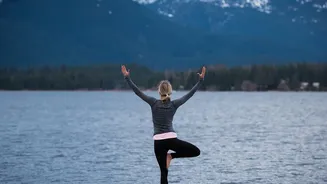
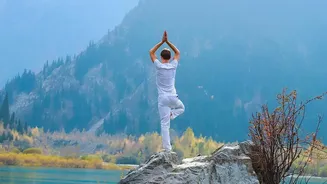
The idea of holding a tree pose on a wobbly board can seem intimidating, but SUP yoga is surprisingly accessible to beginners. Instructors typically start classes with a brief paddling lesson before anchoring the boards in place. The initial poses are seated or lying down to help you get accustomed to the board's feel. Poses are modified to be more stable, often keeping the center of gravity low. While you might feel shaky at first, you'll be surprised how quickly your body adapts. And yes, falling is a possibility, but it's often seen as part of the fun rather than a failure. Most participants find that the fear of falling disappears quickly, replaced by the enjoyment of the experience.
What to Expect in Your First Class
If you're ready to give it a try, a little preparation goes a long way. Wear comfortable, quick-drying athletic wear—what you might wear for a regular yoga class is fine, but assume it might get wet. It’s wise to leave valuables on shore and opt for inexpensive sunglasses. Most classes provide all the necessary equipment, including the board, paddle, and a life jacket. Sessions usually last about an hour, beginning with some basic paddle instruction and moving into a sequence of modified yoga poses. Don't worry about having perfect yoga form or being an expert paddler; classes are designed for all levels, and the focus is on stability, breathing, and enjoying the unique setting.